.svg)
4 Reasons Learning Piano Is the Best New Hobby
Many adults look for meaningful ways to develop new skills that fit into busy lives and offer more than short-term entertainment. Creative pursuits such as music, art, or language learning continue to attract interest because they combine personal growth with long-term satisfaction. Among these, piano learning stands out for its balance of mental engagement, creativity, and accessibility.
The Science Behind Piano as the Ultimate Hobby
Unlike passive activities, learning to play the piano requires focused attention, coordinated movement, and memory working together in real time. Research examining the cognitive and neuroplastic effects of musical training in adults shows that active engagement with music can influence brain systems related to attention, memory, and motor coordination, even when learning begins later in life.

Advances in educational research and learning technology have also changed how people approach music education, making structured piano learning more approachable and sustainable for adults than in the past.

1. Modern Technology Makes Piano Learning Efficient and Fun
Learning piano today looks very different from a decade ago. Traditional lessons often relied on weekly sessions, delayed feedback, and long stretches of unguided practice between classes. While this approach worked for some learners, many adults struggled with uncertainty, slow progress, and declining motivation. Modern learning platforms have begun to address these challenges by combining structured instruction with immediate feedback, allowing learners to correct mistakes early and practice more effectively.
Scientific research supports the idea that active musical training influences brain function. Research on musical training and neuroplasticity in adults shows that learning an instrument can lead to structural and functional changes in brain networks associated with motor control, memory, and auditory processing, even later in life.
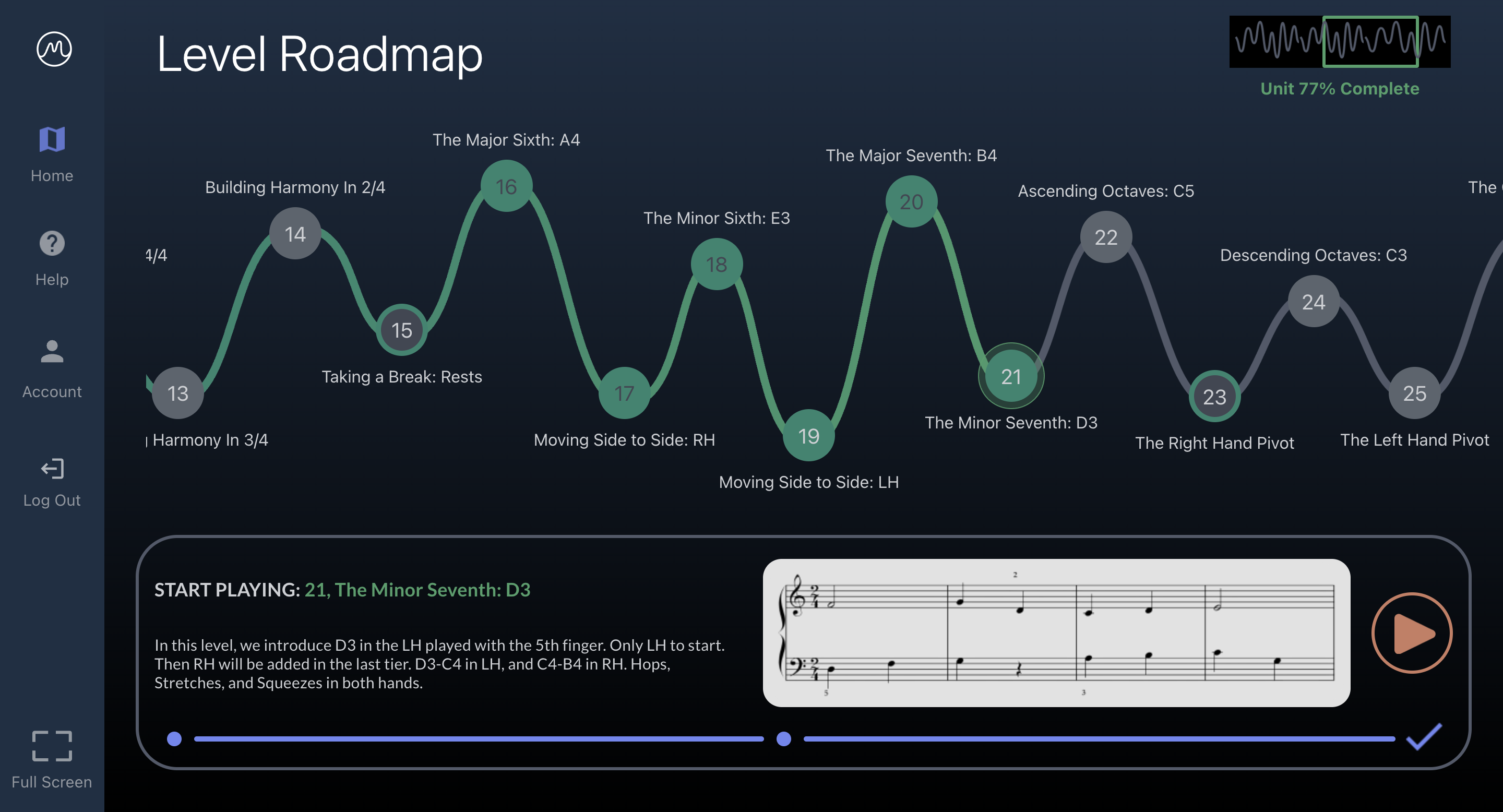
Equally important is how feedback is delivered during practice. Research in adult skill learning shows that timely feedback helps learners correct technique, reinforce accurate responses, and stay engaged during complex tasks. Many modern piano learning tools provide real-time note detection, visual guidance, and adaptive exercises that respond to performance. This allows learners to correct mistakes immediately rather than reinforcing incorrect habits over time. Early correction supports proper technique development and reduces frustration, especially for beginners without access to regular instruction.

2. Piano Learning and Everyday Well-Being
As work becomes more digital and screen-heavy, many people are turning toward creative activities to restore balance in their daily lives. Piano practice is particularly engaging and reduces stress because it requires the coordination of movement, focused attention, memory, and auditory awareness simultaneously.
Research published in Behavioral Sciences suggests that engaging in music-related activities is associated with positive mood changes, reduced perceived stress, and increased life satisfaction among adults. While piano learning is not a medical treatment, consistent musical engagement has been shown to support emotional well-being in ways similar to other structured, skill-based activities.

3. Learning Piano on a Flexible Schedule
Time constraints remain one of the biggest barriers for adult learners. Fixed lesson schedules, commuting, and rigid practice expectations often make consistency difficult. Digital learning environments have reduced these barriers by allowing people to practice when their energy and focus are highest—early mornings, late evenings, or short sessions between other commitments.
Adult learning research emphasizes that visible progress, clear goals, and adaptive pacing significantly improve motivation and retention. According to studies on self-directed learning, adults are more likely to persist when they can see measurable improvement and adjust their learning pace based on personal capacity. Modern piano learning platforms often integrate these principles into structured routines, helping learners maintain momentum without feeling overwhelmed.

4. Digital Pianos are Advanced and Affordable
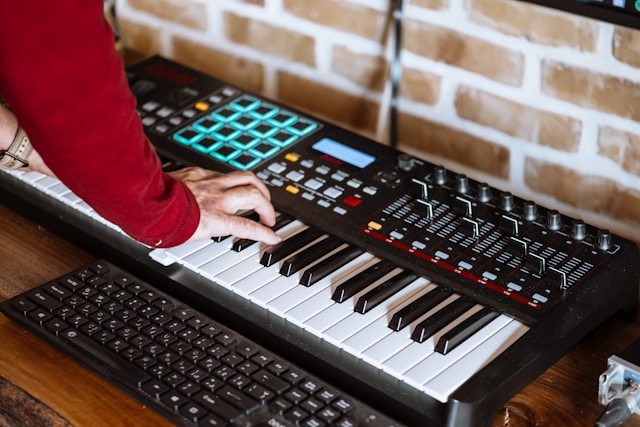
Starting piano no longer requires expensive acoustic instruments or dedicated practice spaces. Modern digital pianos are widely accessible, affordable, and capable of producing realistic sound and key response suitable for beginners and intermediate learners alike. Many models include weighted keys, headphone support, and compact designs that fit into small living spaces.
When paired with structured learning tools, digital pianos remove many of the financial and logistical barriers that once discouraged adults from starting with:
- an affordable digital piano
- structured learning software
- progress tracking, and
- flexible practice plans
New learners can begin developing real musical skills without unnecessary pressure or upfront investment.
The Best Investment You'll Make This Year
Learning piano is not about following a yearly trend; it is about building a skill that develops over time. As learners expand their repertoire and improve musical understanding, they also strengthen discipline, patience, and creative problem-solving skills that transfer beyond music into everyday life.
Consistency matters more than speed, and structured guidance can help sustain long-term engagement. For learners who prefer adaptive support without rigid schedules, platforms like MuseFlow offer guided progression and real-time feedback designed to encourage steady improvement. When learning tools align with established educational principles, learners are more likely to maintain practice habits and continue developing their skills over the long term.
.jpg)