.svg)
The Fastest Way to Learn Piano at Home7 Evidence-Based Benefits
Learning to play the piano is a timeless goal, but busy schedules and limited access to private lessons can make it challenging. With recent advances in digital music education, it’s now possible to structure practice at home in a way that accelerates learning without compromising technique or understanding.
The most effective approach combines short, focused practice sessions, adaptive material, and immediate feedback to ensure steady progress. Below, we explore seven key benefits of using technology-supported piano learning for beginners and experienced musicians alike.
1. Faster Skill Development Through Immediate Feedback
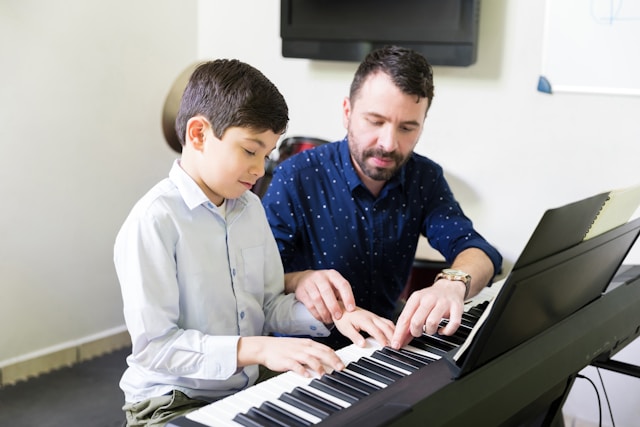
Traditional lessons often operate on slow feedback loops, where mistakes may go uncorrected for days. This can reinforce incorrect fingerings or rhythms and slow overall progress.
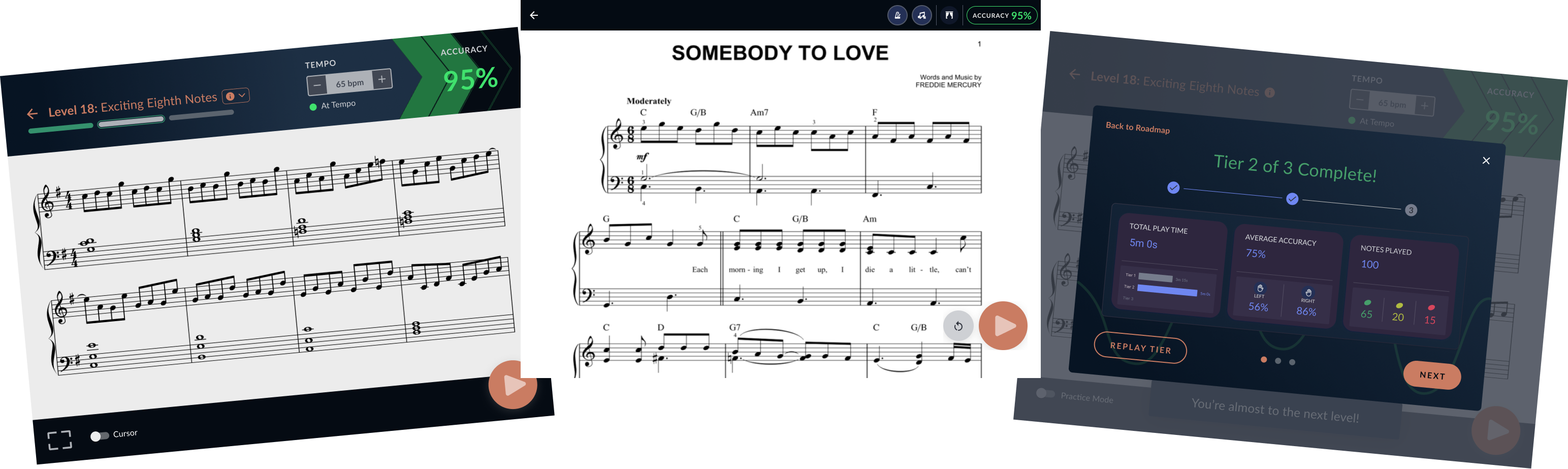
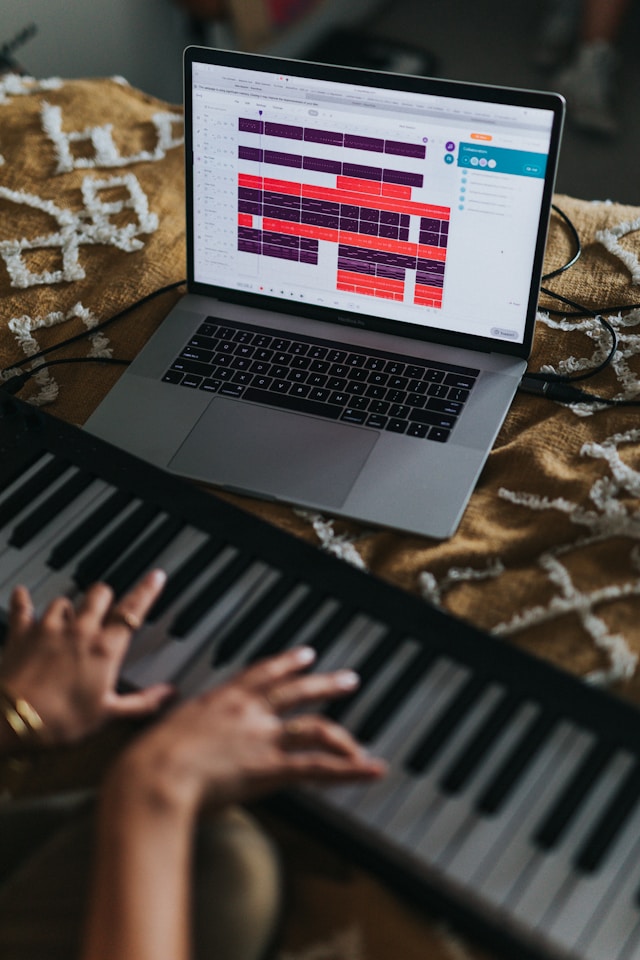
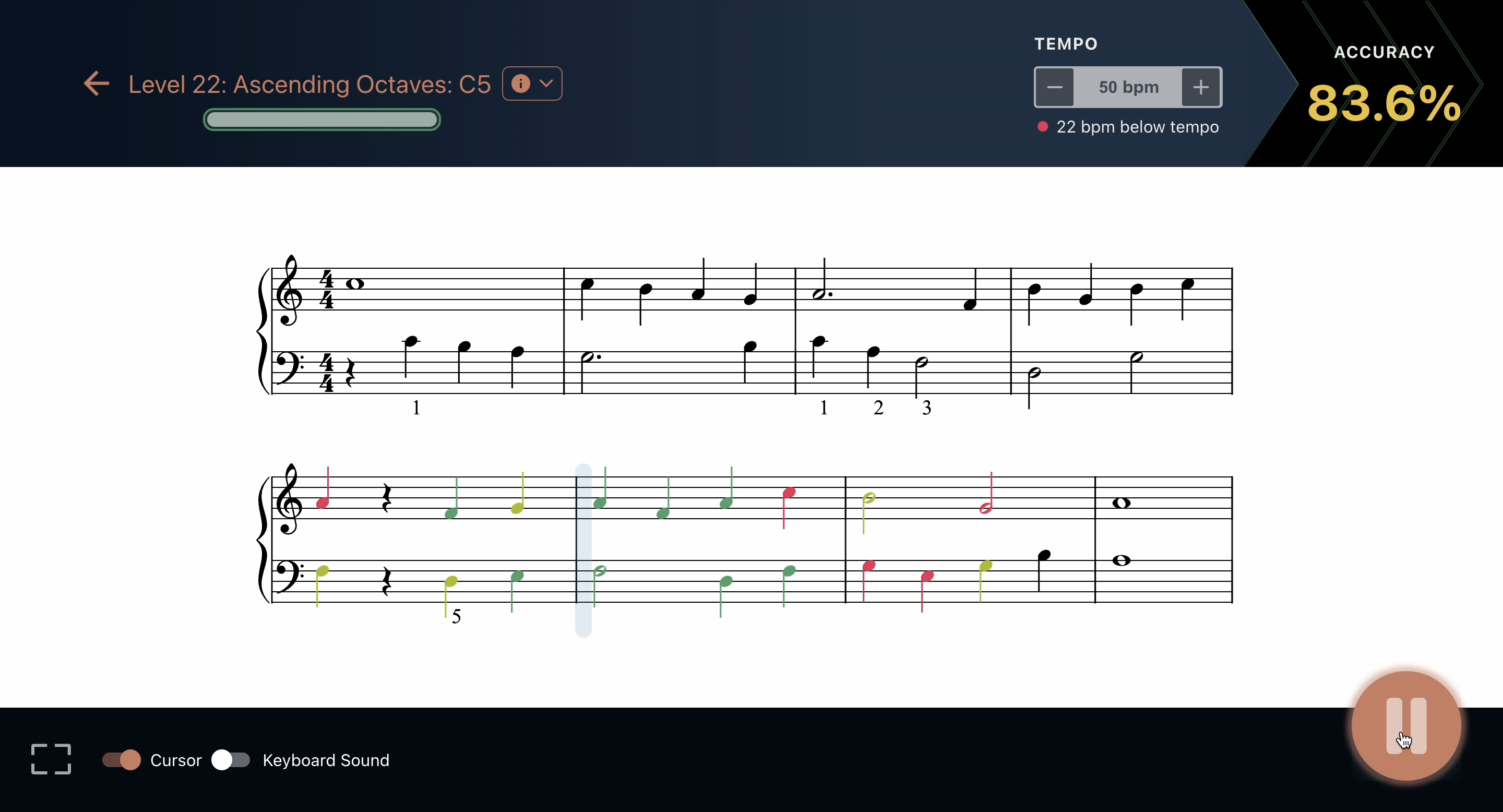
Modern piano learning tools provide real-time feedback, allowing learners to immediately identify and correct errors. Research on skill acquisition in music demonstrates that fast feedback loops improve retention, reduce ingrained mistakes, and enhance motor learning.
2. Efficient Practice with Short, Consistent Sessions
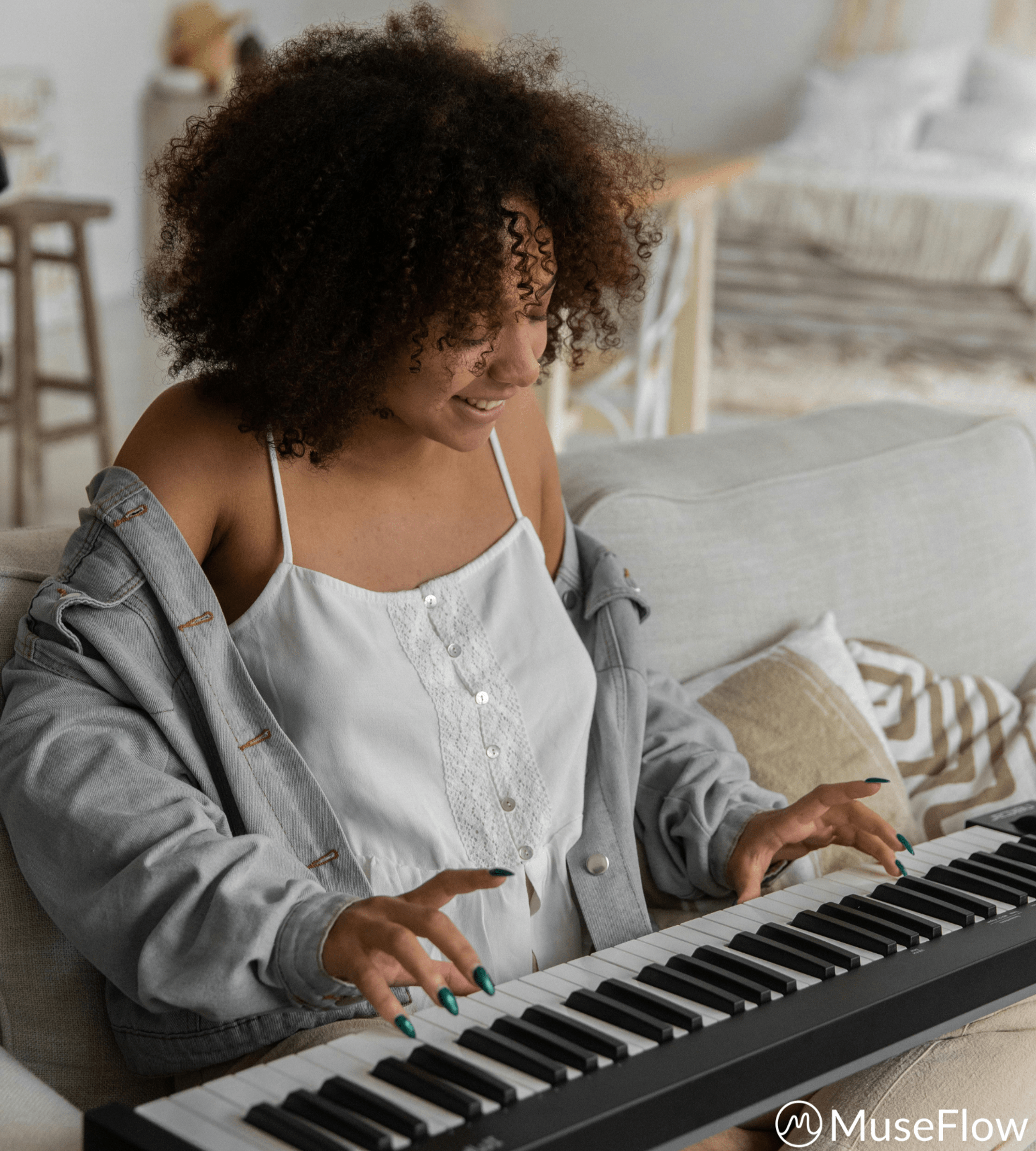
Spacing practice into shorter, regular sessions has been shown to improve retention and maintain focus. Practicing 10–20 minutes daily can be as effective as longer, less frequent sessions, particularly for beginners who are internalizing music-reading skills. For beginners and home learners, having the right keyboard can make consistent practice more productive — see our guide on:
Choosing the right equipment can also make practice more comfortable and effective; see our guide on
This approach leverages principles from deliberate practice and adult learning research, helping learners steadily build fluency without burnout.
.png)
3. Structured Learning by Breaking Music Into Chunks
Dividing music into smaller sections—phrases, measures, or thematic motifs—makes new pieces easier to digest. Beginners can isolate challenging parts and focus on them individually before integrating the full piece.
This method supports faster sight reading development and reduces cognitive overload, allowing learners to progress more confidently. Digital platforms often implement this structure automatically, but the principle can be applied manually in any practice setting.
4. Enhancing Rhythm Skills With Focused Techniques
Rhythm is a common challenge in sight reading. Using tools such as a metronome or subdividing beats can help learners internalize tempo and timing. Key techniques include:
- Starting with simple note values (quarter and half notes) and gradually introducing more complex rhythms
- Practicing in small sections repeatedly to build consistency
- Adjusting tempo until mastery is achieved before increasing speed
Research indicates that structured rhythm practice improves both accuracy and confidence in reading new pieces.
5. Maintaining Engagement and Motivation
Sustaining practice over weeks and months is often more important than individual session length. Gamified learning principles—such as tracking progress, setting small goals, or completing incremental challenges—can improve engagement.
While some platforms integrate these features, learners can also apply them independently by setting clear practice goals and rewarding progress. Engagement is closely linked to flow, where learners feel immersed and motivated, a concept supported by music psychology research and further explained in discussions about just‑in‑time learning and flow state in music education.
6. Flexibility for Adult Learners
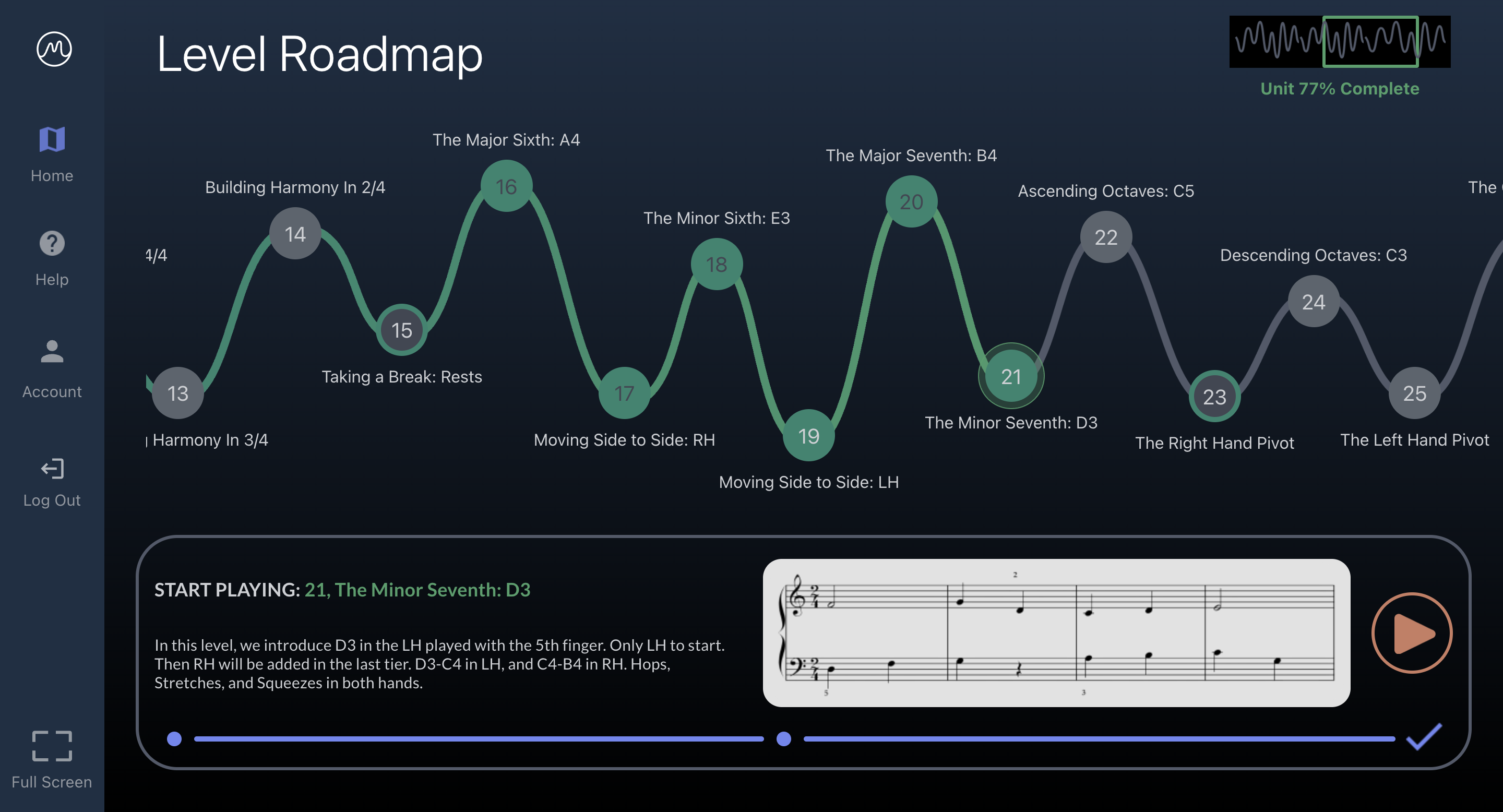
Home-based learning allows learners to practice at convenient times, fitting sessions into busy schedules. Flexibility supports consistent habits, which research shows is critical for long-term progress. By creating a routine that suits personal availability, learners can achieve more than rigid, weekly lesson schedules alone.
7. Cost-Effective and Accessible Learning
Digital solutions reduce reliance on multiple method books or in-person lessons, making music education more accessible and affordable. The focus should be on structured practice, adaptive material, and effective feedback, rather than the sheer quantity of resources. Evidence shows that structured, frequent practice with properly sequenced exercises delivers measurable improvement without expensive tools.
Conclusion
Learning piano at home is now more achievable than ever when practice is structured, engaging, and supported by immediate feedback. By combining short, focused sessions, rhythm training, chunking music, and maintaining consistent engagement, learners can accelerate sight reading and overall piano skills.
The principles outlined here—efficient practice, structured progression, and real-time feedback—are supported by research on adult learning and music pedagogy. While various digital tools can implement these strategies, the educational value comes from how these methods are applied consistently.