.svg)
Gamified Piano Lessons:Enhancing Learning Alongside Traditional Teachers
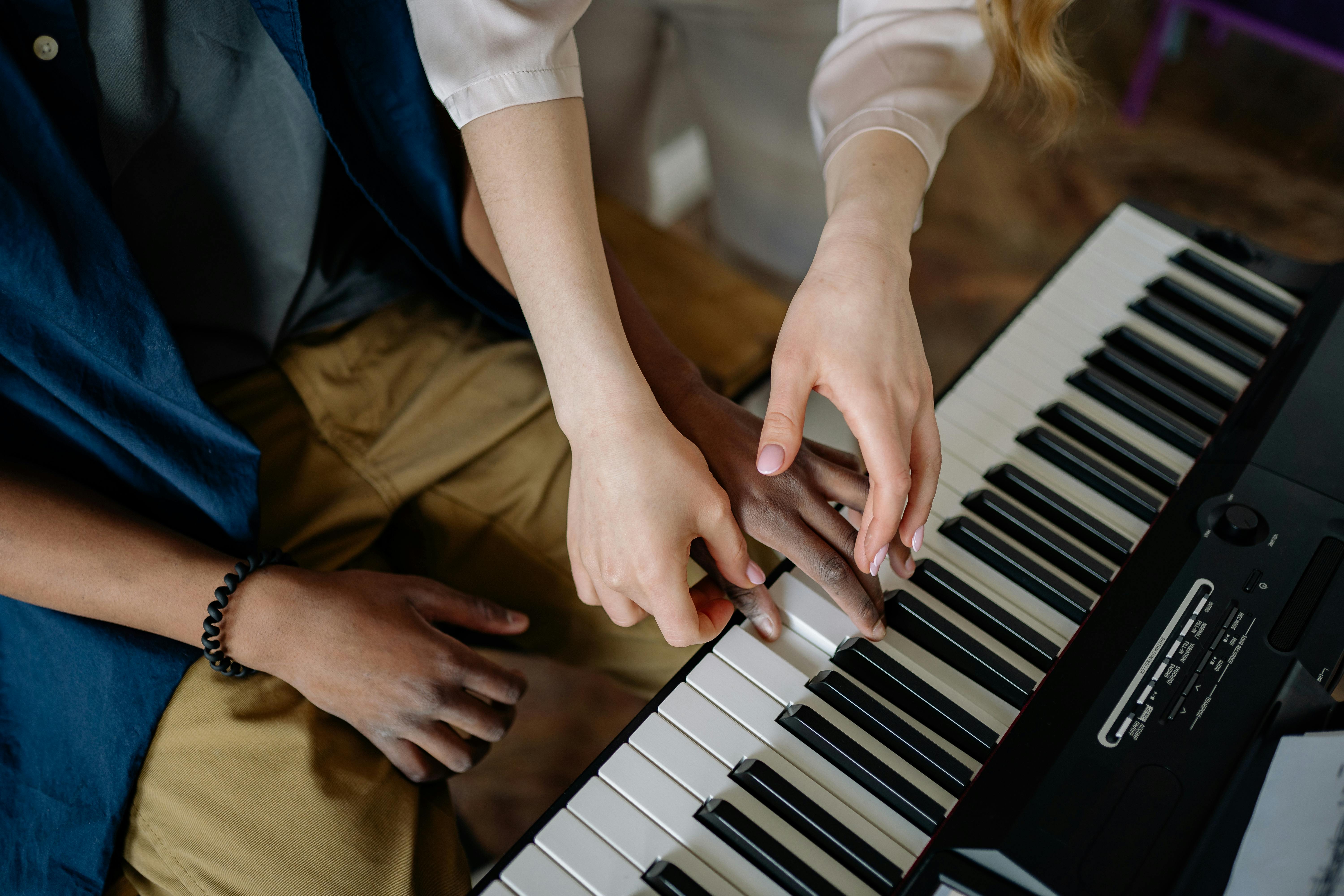
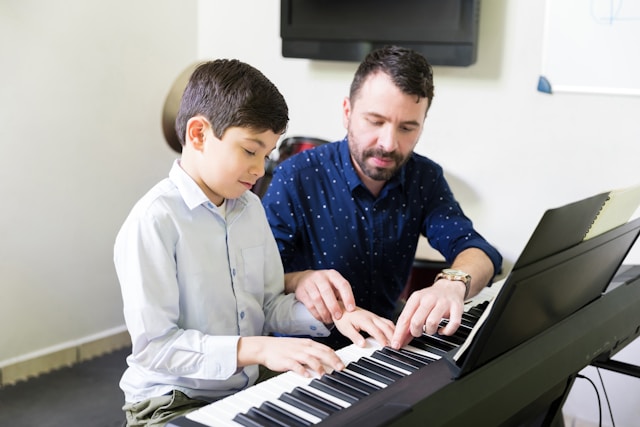
Learning piano at home or in a studio has always presented challenges. While students benefit from one-on-one instruction, traditional teaching methods often limit how efficiently technical skills can be reinforced, leaving teachers spending significant time correcting repetitive mistakes. Recent advances in digital tools, including gamified piano learning platforms, offer a complementary approach that allows teachers to focus on artistry while students build strong technical foundations.
Challenges of Traditional Piano Instruction
Even the most passionate piano teachers face structural obstacles in guiding students effectively:
1. Repetitive Technical Corrections
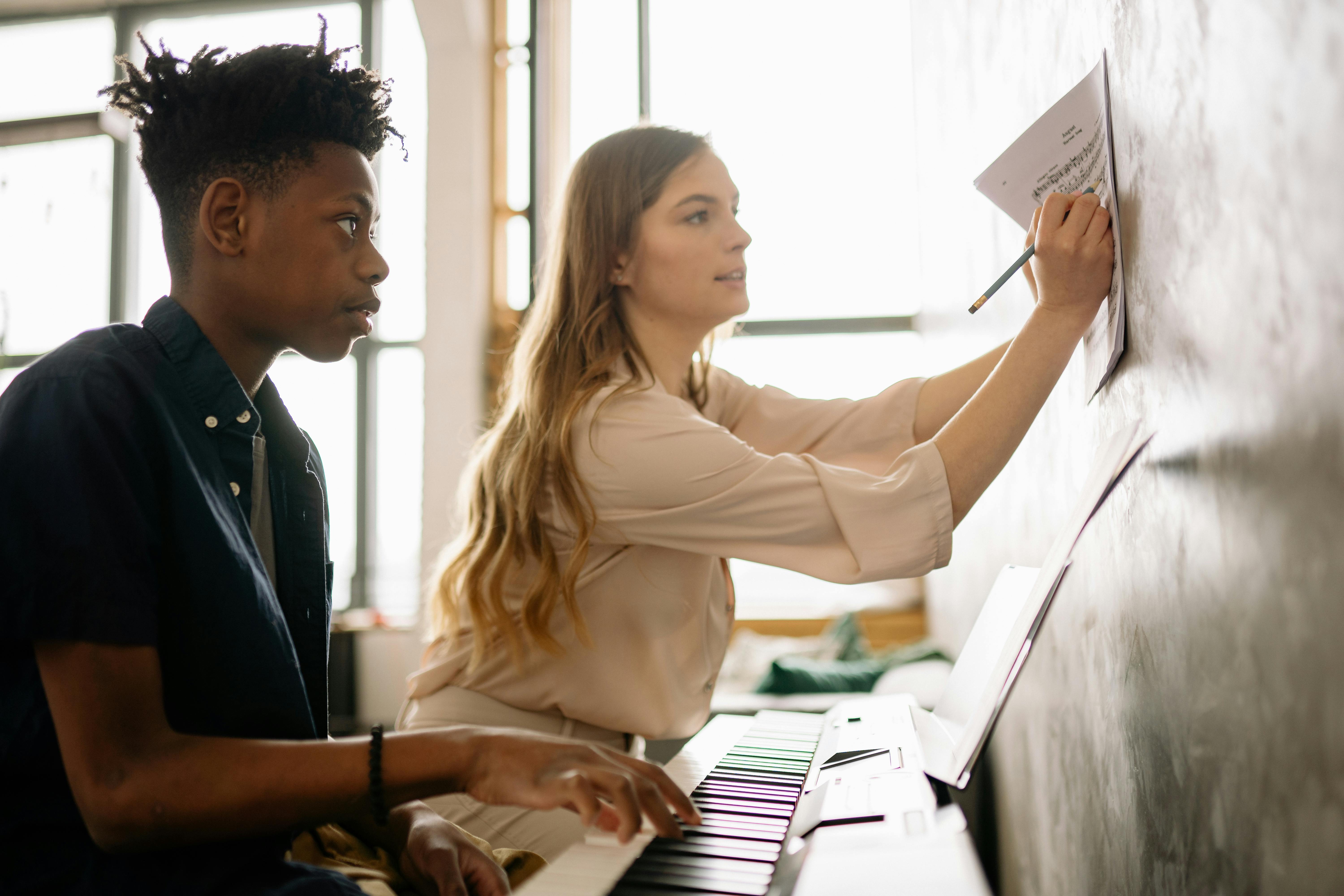
Lesson time is often consumed by correcting note accuracy, rhythm, and finger positioning. While essential, these fundamentals can be practiced independently with structured exercises, freeing teachers to focus on interpretation and musical expression.
2. Limited Feedback Opportunities
Weekly lessons may leave students practicing for days without guidance, allowing small errors to become habits. Delayed feedback can reduce motivation and slow progress, particularly for learners studying independently or remotely.
3. One-Size-Fits-All Limitations
Every student learns differently—some thrive with repetition, others with variation. Traditional methods may struggle to accommodate these differences in real time, causing some students to feel rushed and others held back. Adaptive practice tools can help teachers personalize instruction while maintaining engagement.
How Gamified Piano Lessons Complement Teaching
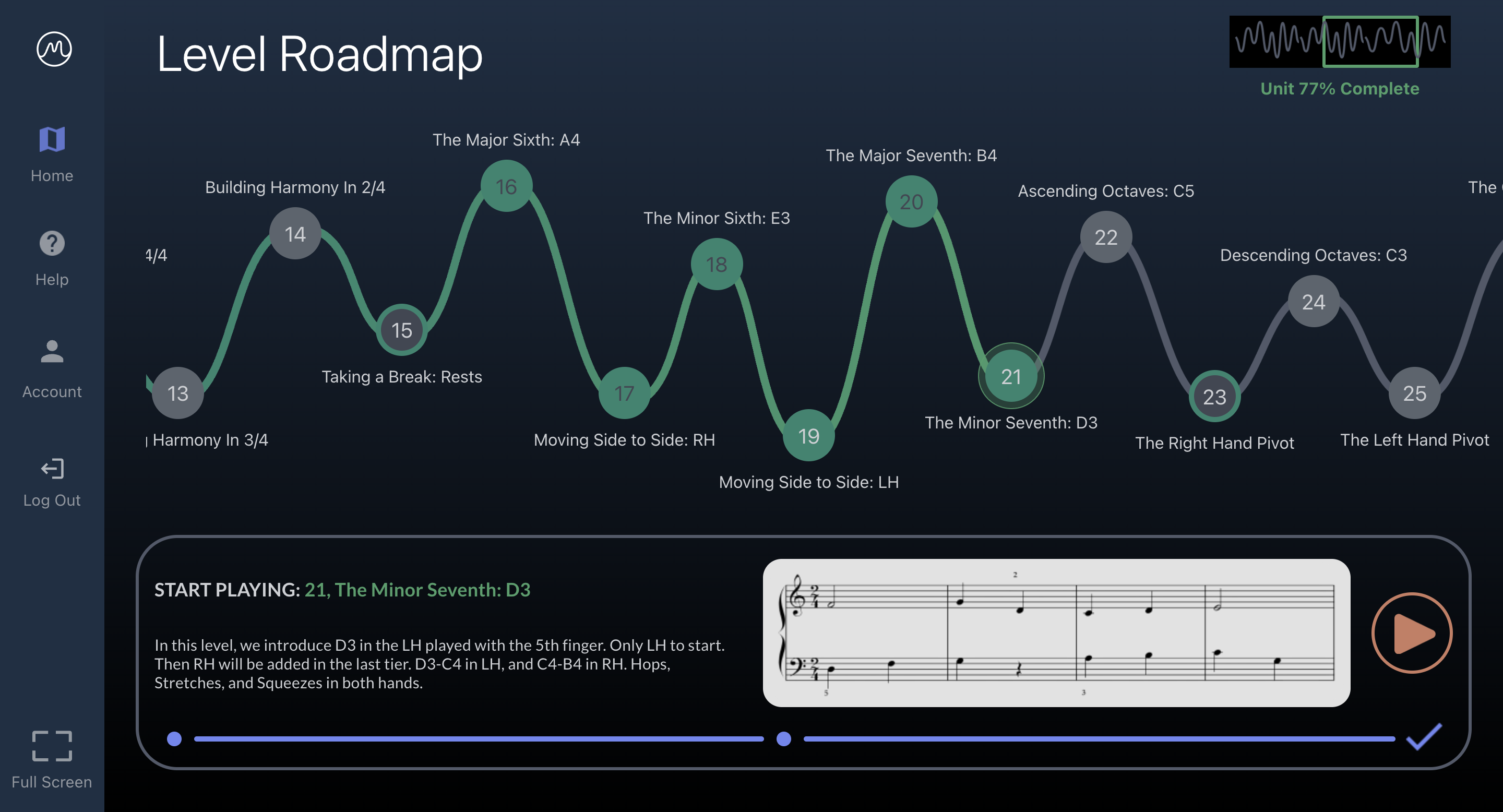
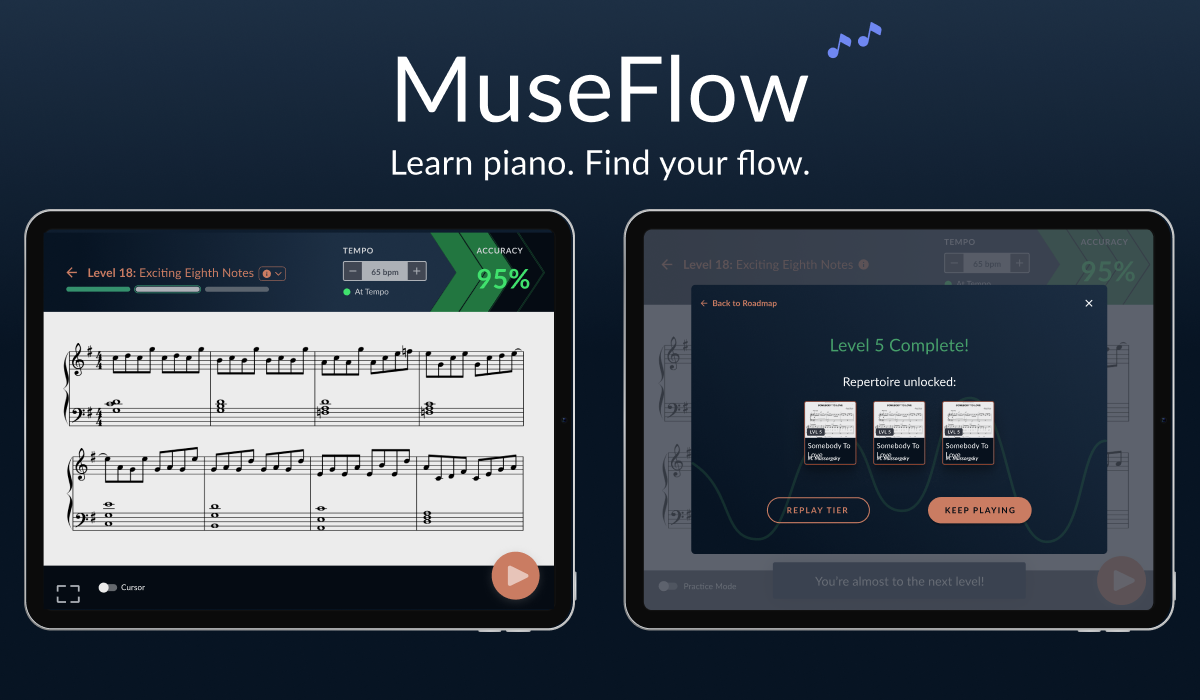
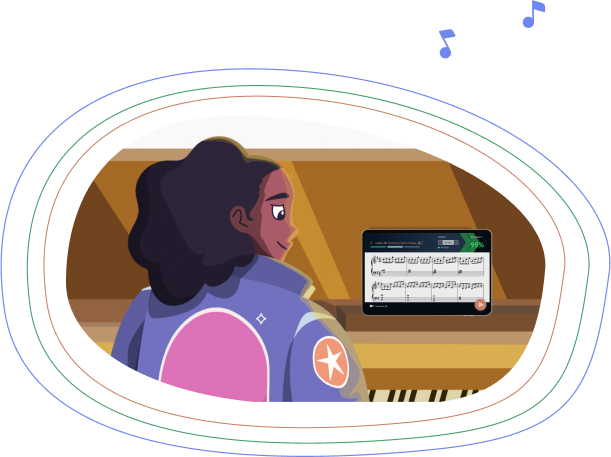
Gamification in piano instruction is not intended to replace teachers. Instead, it provides consistent reinforcement of technical skills, allowing teachers to focus on areas that require human artistry: phrasing, dynamics, expression, and musical storytelling.
By integrating gamified practice alongside traditional instruction, students enter lessons with fundamental skills already reinforced. Beginners who want to improve note-reading quickly can also explore this guide to the easiest way to read piano notes for step‑by‑step strategies. For strategies on keeping piano practice engaging and avoiding boredom, see this guide on staying motivated while learning piano. Teachers can then prioritize mentorship, inspiration, and creative guidance, which fosters deeper engagement and more enjoyable learning experiences.
Benefits include:
- Faster technical mastery through structured, interactive exercises
- Increased student motivation via goal-setting and feedback loops
- More meaningful lesson time devoted to interpretation and artistry
Practical Implementation
When applied thoughtfully, gamified piano lessons can change how lesson time is spent:
This structured support encourages students to enjoy practice and progress steadily while teachers spend their energy where it matters most.
Evidence and Research Perspective
Studies in music education and learning psychology support the benefits of immediate feedback and adaptive practice. Research consistently shows that short, focused sessions with immediate corrective input improve skill acquisition, retention, and motivation in learners of all ages. While individual results vary, gamified learning tools help supplement traditional lessons and enhance sight reading development, ensuring foundational skills are reinforced efficiently.
One example of this approach in practice is platforms that dynamically adjust exercises to the student’s skill level, helping prevent stagnation while maintaining engagement.
Role of Technology and Teachers
Effective piano education relies on balance between technology and human instruction:
Technology provides:
- Consistent, accurate technical instruction
- Immediate feedback on mistakes
- Scalable practice opportunities outside the lesson
Teachers provide:
- Artistic interpretation and nuance
- Motivation and personal guidance
- Emotional connection and mentorship
This partnership creates a harmonious learning environment, enhancing both efficiency and enjoyment.
Long-Term Benefits
Integrating gamified practice into piano instruction helps learners develop independence, improves sight reading skills, and reduces frustration. Teachers can guide students to express creativity rather than simply correct mechanical errors, promoting long-term engagement and musical growth.
By reinforcing technical skills through adaptive digital tools, students arrive at lessons prepared to explore artistry, and teachers can devote time to nurturing interpretation, phrasing, and expressive performance.
Conclusion
Gamified piano lessons are most effective when used to support, not replace, traditional instruction. They provide structured reinforcement of fundamental skills, allow for personalized pacing, and help students develop independence while keeping practice engaging. Teachers benefit by spending more time on mentorship and creative guidance, fostering both skill and passion in their students.
The future of piano education lies in this balanced approach: combining immediate, structured digital support with human expertise to create motivated, confident, and musically expressive learners.





.jpg)