Adult Learning
Curriculum
Flow State
Just-in-time
Piano Practice That Feels Like a Game: How MuseFlow Turns Short Sessions Into Real Skills
July 3, 2026

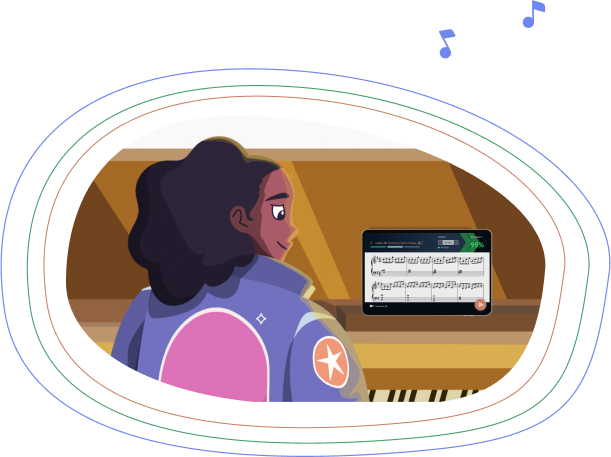
Traditional piano practice can be repetitive and mentally exhausting. Scales, arpeggios, and the same exercises repeated daily often feel like a slog. While repetition builds technical accuracy, it can hinder motivation and limit transferable skills. But piano practice doesn’t have to feel like a chore. Gamelike practice, when designed correctly, can transform short sessions into meaningful skill development. MuseFlow applies this principle by combining neuroscience-informed learning with interactive, adaptive exercises.
Conventional piano lessons often rely heavily on memorization and repetition. Playing a piece repeatedly helps develop finger memory but does not necessarily improve sight reading, rhythm, or musical understanding. Without feedback, learners may reinforce mistakes or plateau in skill development.
For example, many beginners find that after memorizing one song, they struggle to play new pieces, because their practice focused on rote patterns rather than reading music fluently. This creates a cycle of frustration, reducing both engagement and consistency
MuseFlow applies principles of game design—clear goals, immediate feedback, progressive challenges, and intrinsic rewards—to piano learning. Each feature is structured to foster real skill development rather than superficial engagement.
MuseFlow’s algorithm generates fresh, level-appropriate music each session, ensuring learners always encounter novel material. By forcing consistent sight reading, rather than memorization, learners develop transferable skills that can be applied to any new piece. Research on sight reading proficiency shows that high-volume exposure to new material accelerates skill acquisition
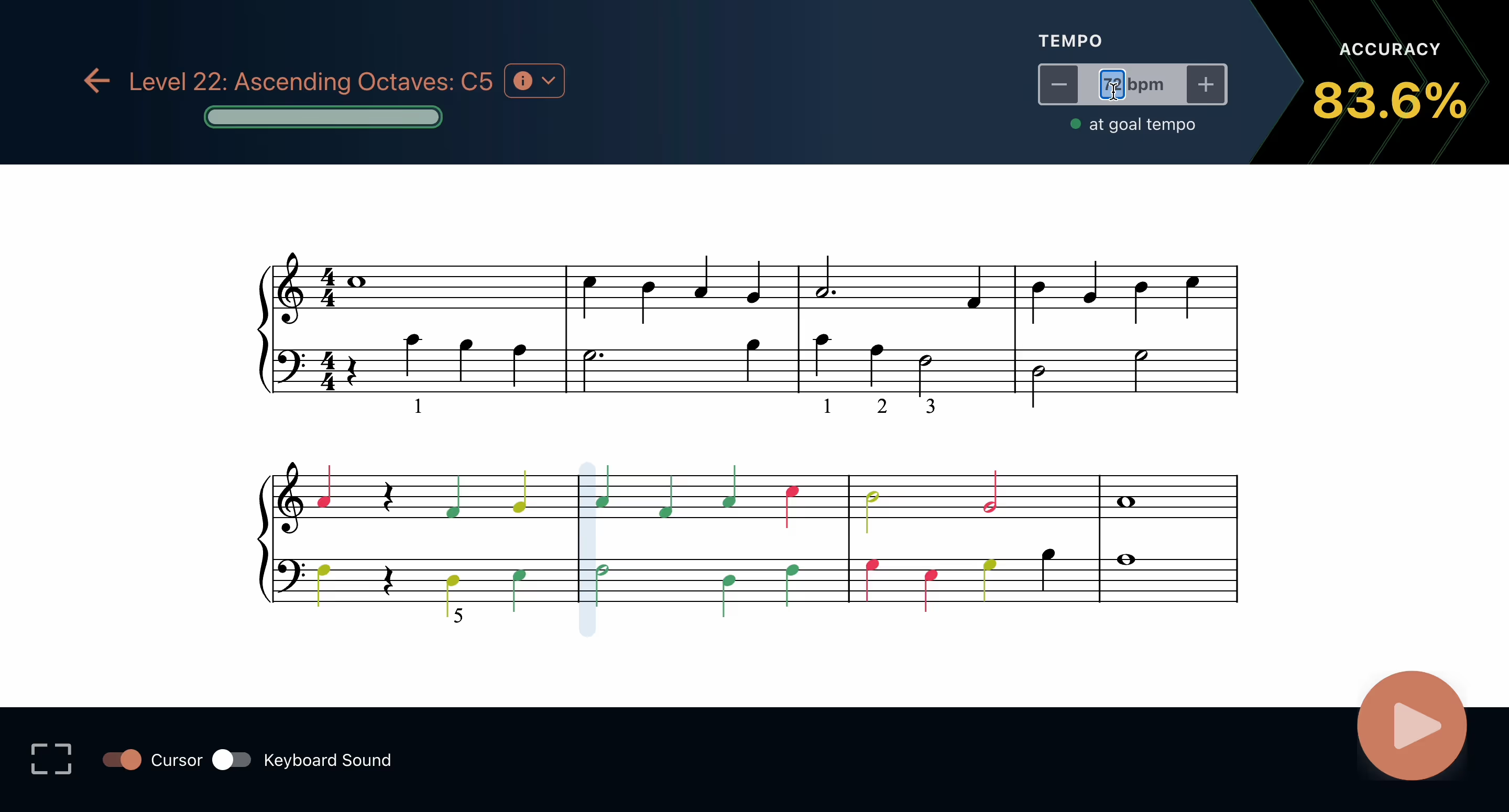
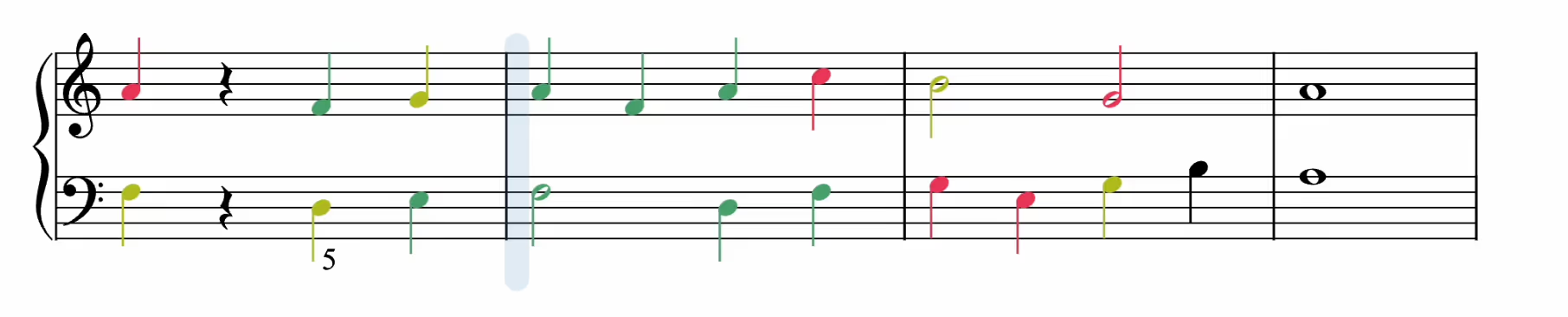
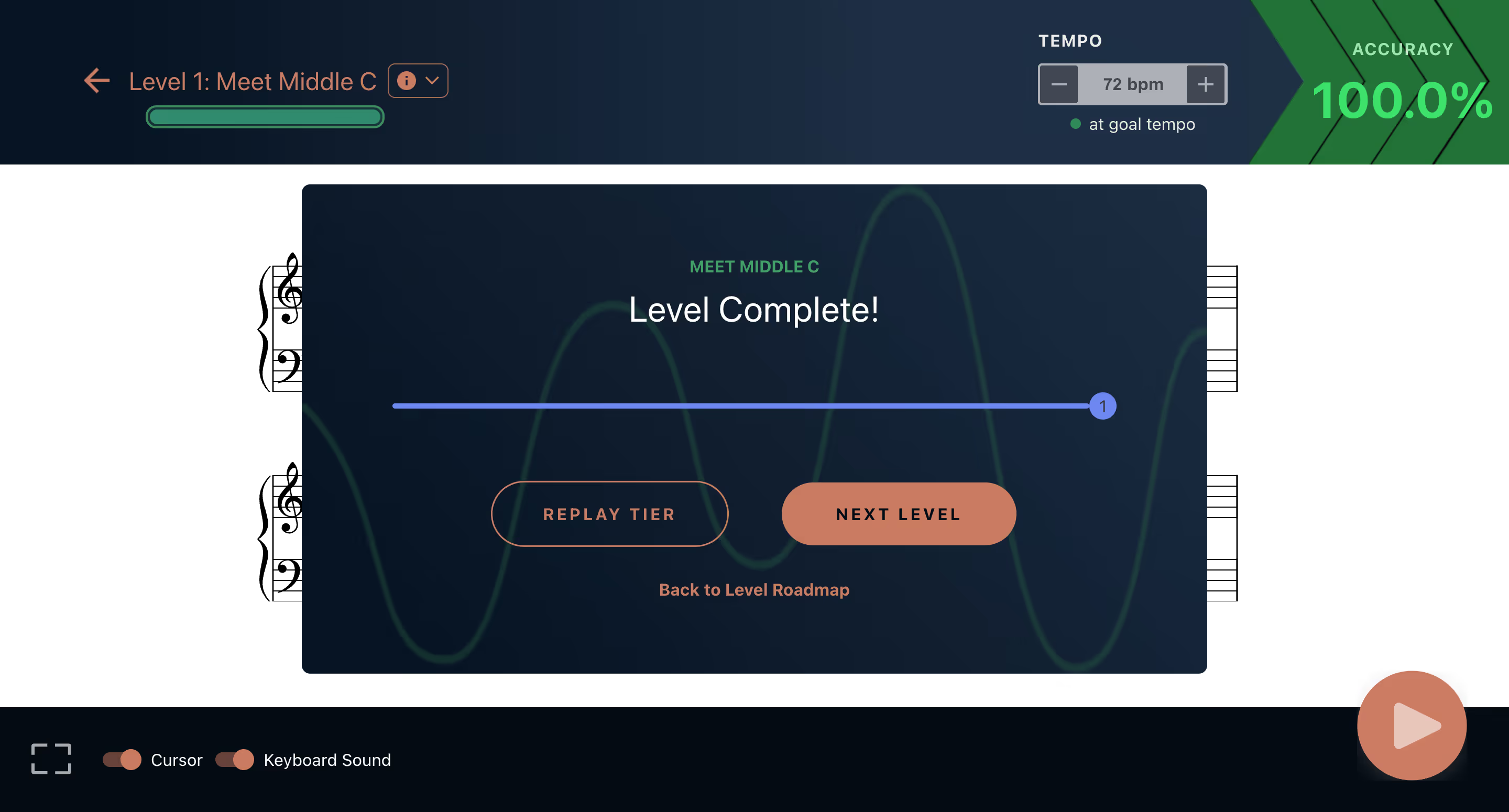
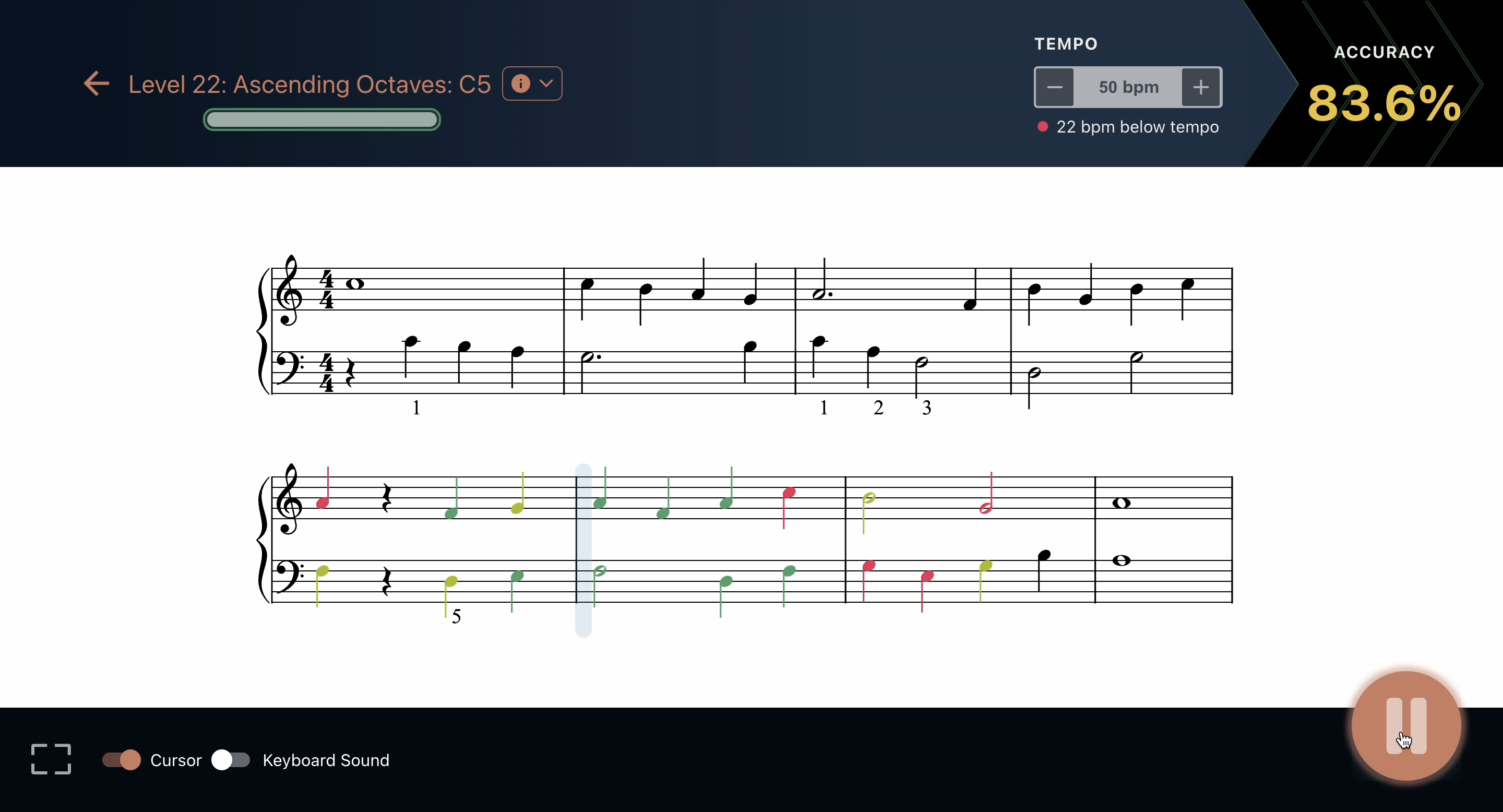
IUnlike traditional lessons with delayed feedback, MuseFlow provides instant, color-coded guidance: green for accuracy, yellow for timing adjustments, and red for mistakes. Immediate correction helps the brain form accurate associations more efficiently. Studies from MIT indicate that responsive practice enhances neural processing and strengthens cognitive pathways related to learning.
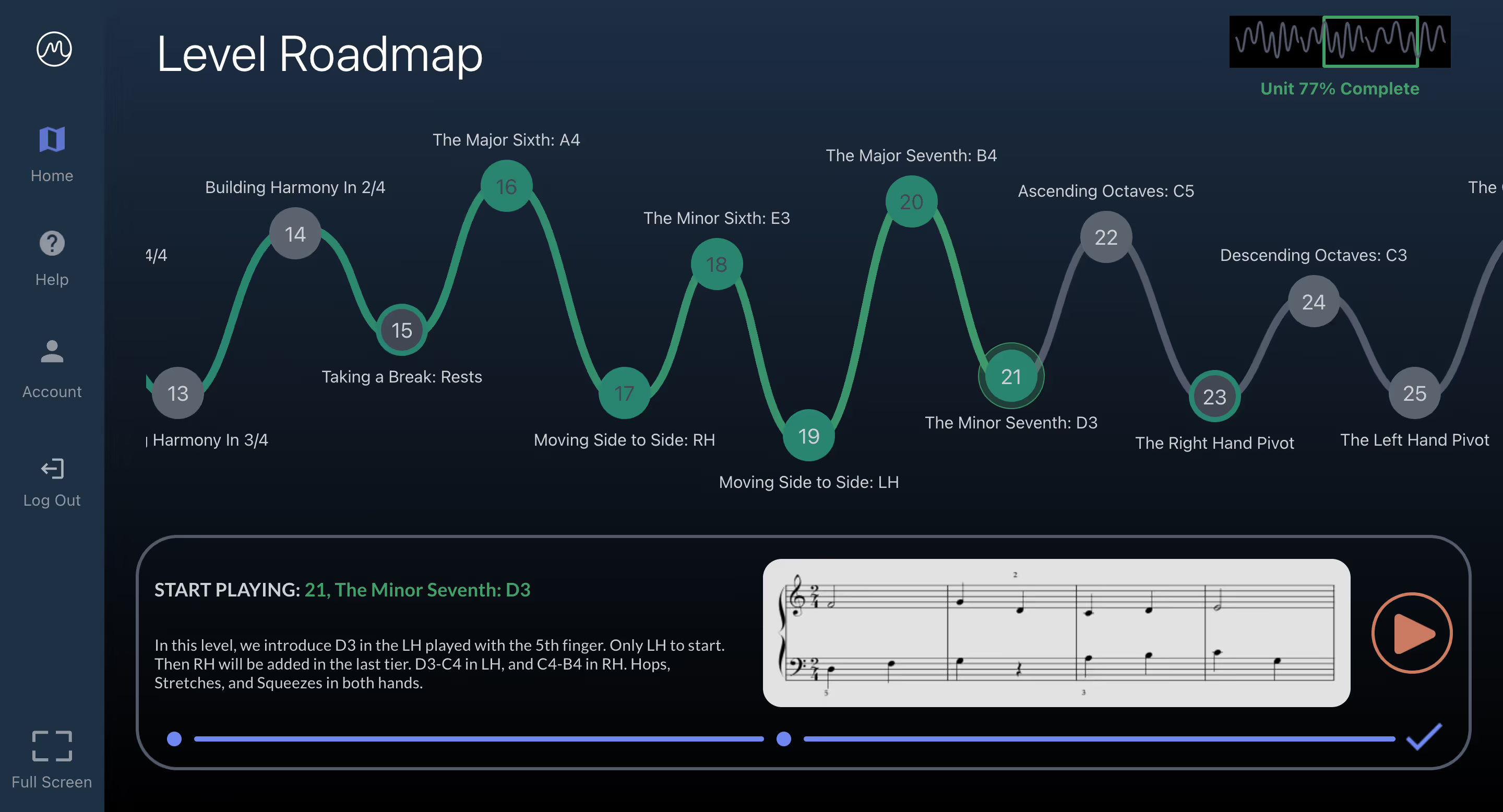
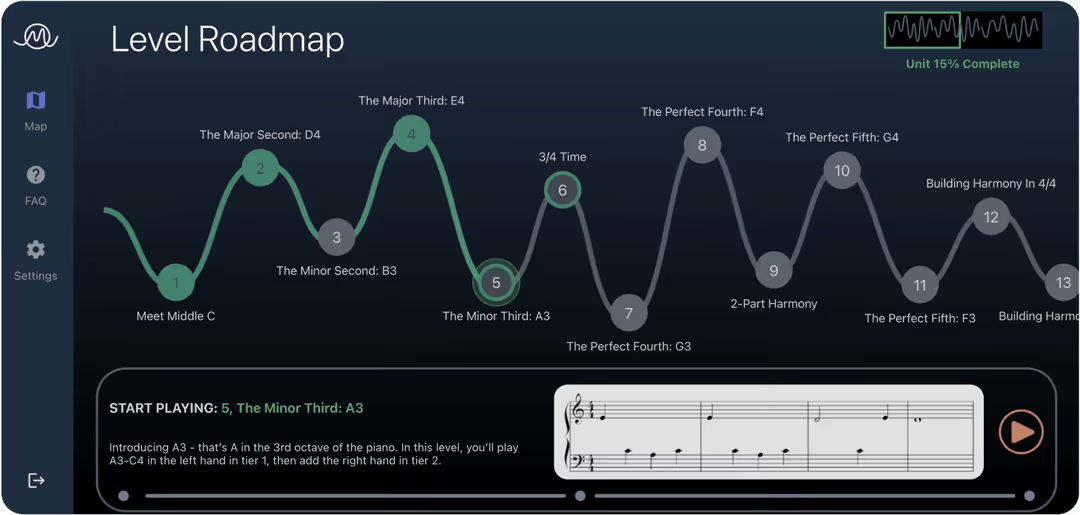
Progressive levels provide achievable challenges. Learners start at Level 0 and advance through 27 levels introducing new rhythms, notes, and complexities. Achievements and accuracy scores create measurable milestones, leveraging the brain’s reward system. Psychological research on learning and motivation supports structured, goal-oriented practice as a key factor in maintaining engagement.
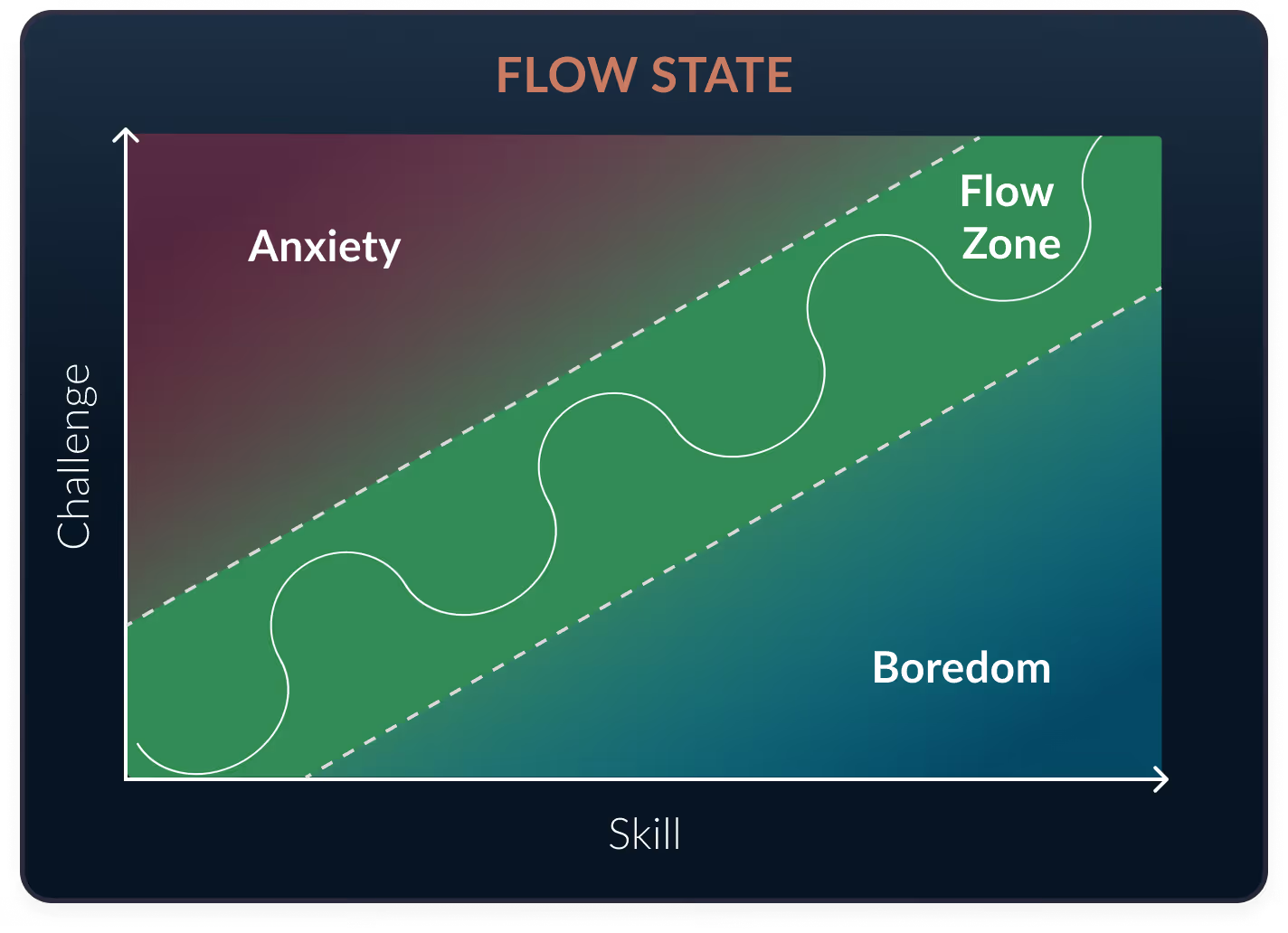
Flow state occurs when a learner’s skill aligns with the difficulty of a task, creating immersive concentration and reducing self-criticism. MuseFlow allows tempo and difficulty adjustments to maintain this balance, helping learners enter flow more consistently. Research on flow in music practice demonstrates that achieving this state improves both skill acquisition and enjoyment.
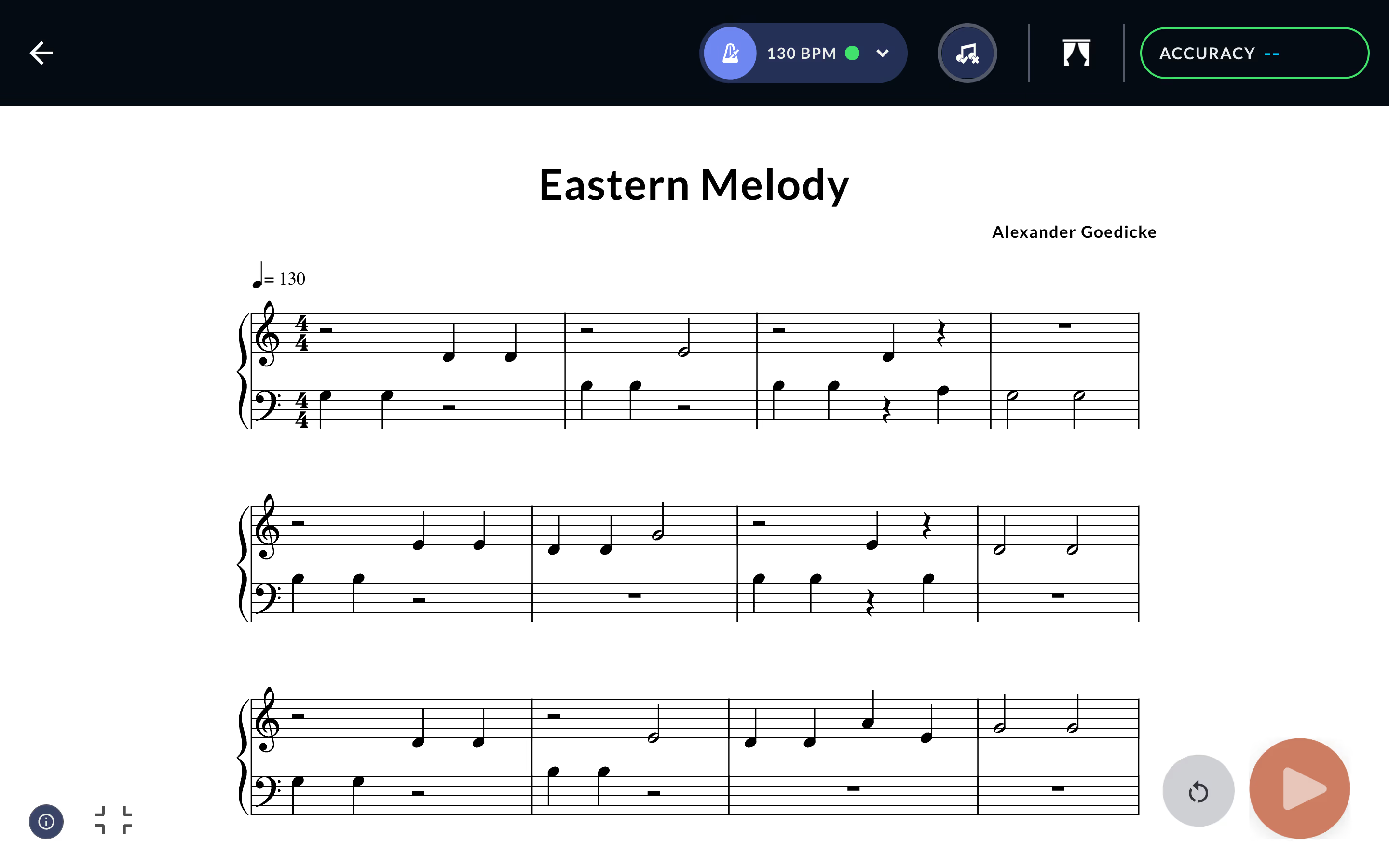
Beyond core exercises, learners can explore a diverse repertoire across genres and difficulty levels. This freedom allows learners to apply sight reading skills in a practical context while maintaining motivation. Balancing structured practice with exploratory play supports long-term engagement and musical development.
Consider Emily, a beginner who practiced just 15 minutes daily using MuseFlow. Within four weeks, she reported faster sight reading, improved rhythm accuracy, and greater confidence tackling unfamiliar music. Short, focused, feedback-rich sessions produced measurable progress that would have taken longer with traditional repetition-based methods. This example illustrates how gamelike practice can deliver real results without requiring hours of monotonous drills
In today’s world of distractions, short, engaging, and well-structured piano practice ensures learners remain consistent. MuseFlow transforms practice from a repetitive task into an optimized, skill-building experience. By combining neuroscience, game principles, and adaptive feedback, it provides learners with transferable skills, measurable progress, and a more enjoyable learning journey.
Piano practice that feels like a game is not a gimmick—it is an educational strategy grounded in research and designed to maximize learning efficiency.

For a long time, learning piano without a teacher was seen as unrealistic. Traditional instruction was expensive, time-bound, and often intimidating, which stopped many people from even trying. Today, that assumption no longer holds. With the right approach, learning piano by yourself is not only possible—it can be effective and rewarding.
The real question isn’t whether you can teach yourself piano. It’s how you do it.
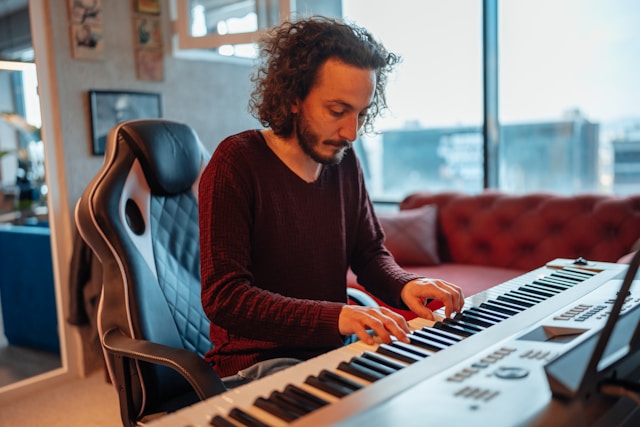
Many people start with enthusiasm but struggle to maintain progress. These challenges are common, especially for a complete beginner, and they’re worth understanding before you begin.
When you practice alone, it’s easy to reinforce mistakes without realizing it. Incorrect fingerings, posture issues, or timing errors can become ingrained. Research on piano learning and motor skill acquisition shows that correct, timely feedback is essential for long-term improvement and effective neural adaptation.
To overcome this, self-learners benefit from tools or methods that provide immediate feedback on accuracy and timing, helping them correct mistakes early instead of relearning later.

One of the biggest frustrations for beginners is not knowing where to start. Online tutorials, books, and apps often contradict each other. Should you focus on songs, chords, or theory? Without a structured plan, progress becomes inconsistent.
Educational research on sight reading development consistently emphasizes the importance of a progressive, systematic approach. Learning to read music early builds musical independence and reduces reliance on memorization alone. A clear roadmap removes guesswork and helps learners build skills logically.
Initial excitement often fades once progress slows. Practicing alone can feel isolating, and without visible improvement, many learners quit. Studies on musical engagement show that sustained practice improves when learners experience achievable challenges and a sense of progress.
This is where the concept of flow state becomes relevant. Flow occurs when difficulty and skill are well matched, allowing focused, enjoyable practice. Learning environments that adapt to the learner’s level help maintain motivation over time.
Self-teaching doesn’t mean learning without support—it means choosing the right kind of support. Effective tools for piano self-learners tend to share a few characteristics:
Some digital platforms aim to replicate these principles by combining structured lessons, real-time input, and adaptive pacing. MuseFlow is one example of a tool designed around these ideas, particularly with its focus on sight reading-first learning and progressive difficulty. Importantly, it should be seen as a support system—not a shortcut or replacement for effort.
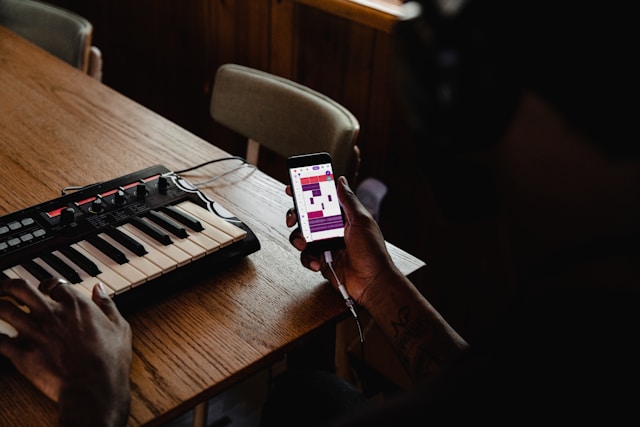
Many beginner resources focus on teaching a few recognizable songs quickly. While this can feel motivating, it often limits long-term growth. Learning music—understanding rhythm, reading notation, and coordinating both hands—creates transferable skills that allow you to play new material independently.
A focus on musicianship supports long-term development and aligns with research on effective music education. This approach helps learners move beyond imitation toward genuine musical literacy.
The benefits of learning an instrument extend well past entertainment. Educational research from reputable music institutions and academic studies has linked music learning with improvements in cognitive flexibility, memory, emotional regulation, and creative problem-solving. These benefits are most pronounced when learning is consistent and skill-based rather than purely recreational.
Whether you’re a complete beginner or returning after years away, a few principles make self-learning more effective:

Yes—learning piano by yourself is absolutely achievable. Success depends less on talent and more on approach: structured learning, consistent practice, and the right support systems. Modern tools can reduce traditional barriers, but the real progress still comes from focused effort and thoughtful practice.
If you choose to use an app like MuseFlow, treat it as one part of a broader learning strategy. When combined with patience, curiosity, and good habits, self-teaching piano can be both effective and deeply satisfying.
Most piano learners don’t quit because they lose interest in music. They quit because progress becomes harder to recognize. Around the point where sight reading slows down and mistakes increase, practice starts to feel emotionally expensive. Understanding why this happens — and how to redesign practice to reduce friction — is the key to staying motivated long-term.
Staying motivated isn’t about forcing discipline or practicing longer hours. Research in music education and learning psychology shows that motivation improves when practice feels purposeful, achievable, and engaging. The goal is to redesign how you practice so progress becomes visible and emotionally rewarding again.

Many learners lose motivation because they focus only on outcomes: playing a piece perfectly or advancing as fast as possible. These goals are distant and fragile. When progress slows, frustration rises.
Process goals work better:
Process goals create frequent wins and reduce perfectionism challenges, which often cause learners to stop practicing altogether. When success is defined by improvement rather than perfection, motivation becomes more stable.
Practicing the same piece every day can quietly drain motivation. Cognitive fatigue sets in long before musical growth stops.
A more sustainable approach is repertoire rotation:
Access to a flexible repertoire library makes this easier. When learners can switch pieces without guilt, practice feels adaptable rather than restrictive. Variety reinforces musical skills while keeping curiosity alive.

Motivation fades fastest when practice feels overwhelming. Studies on learning psychology consistently show that short, focused sessions with clear goals outperform long, unfocused ones.
Try:
Short, repeatable routines reduce the mental cost of starting a practice session. Instead of relying on motivation, learners rely on predictability. Over time, this consistency supports deeper concentration and makes it easier to enter a flow state, where attention stabilizes and practice feels less effortful.
One of the most demotivating feelings is believing you’re “not improving.” Often, progress is happening — it’s just not obvious.
Ways to make improvement visible:
Visible progress reinforces confidence and helps learners stay engaged during slower phases of development
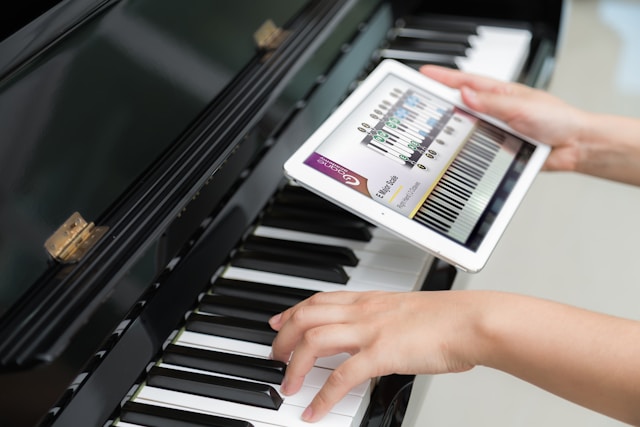
Highly motivated practice often occurs during a Flow state — a mental state where challenge and skill are balanced and time seems to disappear. Flow is not accidental; it’s designed.
Flow-friendly practice includes:
When learners operate near their current skill level — not too easy, not too hard — practice feels immersive rather than exhausting. This state dramatically improves motivation and learning efficiency.

Delayed feedback is a major motivation killer. Repeating mistakes unknowingly builds frustration.
Modern learning tools that provide real-time feedback help learners correct errors immediately, preventing bad habits and keeping practice efficient. Faster feedback leads to faster confidence — a critical factor in sustaining motivation.
Technology-assisted learning platforms like MuseFlow apply these principles by combining structured progression, instant feedback, sight reading development, and flexible pacing — but the underlying concept applies universally: feedback should match effort in real time.
Learning piano is not linear. Motivation naturally fluctuates, even for experienced musicians. What matters is building a practice system that adapts to low-energy days instead of collapsing under them.
By rotating your repertoire, emphasizing sight reading, tracking progress, designing for Flow state, and easing perfectionism challenges, motivation becomes something you support rather than something you constantly chase.
Piano learning doesn’t fail because people lack passion — it fails when practice stops feeling rewarding. Redesign the experience, and motivation follows.
Learning piano without a private teacher is a goal many people share, especially those balancing work, family, or limited access to in-person lessons. While traditional instruction has long been considered essential, modern learning tools and research into skill acquisition suggest that self-directed piano learning is possible—when approached correctly.
The challenge is not whether you can learn piano on your own, but how to avoid the common pitfalls that cause many self-learners to stall or quit. Below, we separate long-standing myths from what current music education research and practice actually show.
The reality:
Historically, this was true. Without feedback, learners often reinforced incorrect notes, rhythms, or fingerings—what educators call “negative practice.” Once habits form, they are difficult to undo.
Today, real-time feedback systems have changed this dynamic. Research on motor learning and music education consistently shows that immediate corrective input improves accuracy, retention, and long-term skill development. Digital tools that listen to performance and respond instantly allow learners to correct errors at the moment they occur, rather than days later.
This feedback loop does not replace musical judgment or interpretation, but it significantly reduces technical drift during independent practice.
The reality:
A teacher remains the gold standard for posture and injury prevention. However, structured visual guidance and progressive exercises can establish a solid technical foundation for beginners.
Educational research shows that consistent fingering patterns, gradual complexity, and early note recognition are more important than repertoire memorization in the early stages. Tools that emphasize sight reading and coordinated hand movement help train both cognition and motor control together—an approach widely supported in music pedagogy literature.
Self-learners who follow a structured path are far less likely to develop inefficient habits than those jumping randomly between songs or tutorials.

The reality:
Motivation is one of the biggest challenges for independent learners. Long, repetitive practice sessions without visible progress often lead to burnout.
Studies on learning psychology show that short, focused sessions with clear goals and measurable progress are far more effective. Gamified learning systems apply these principles by balancing difficulty with ability, helping learners remain in a “flow state”—a condition linked to sustained engagement and enjoyment.
When progress is visible and attainable, consistency improves naturally.
The reality:
Lack of structure is a major reason self-teaching fails. Jumping between scales, theory videos, and songs creates confusion and uneven skill development.
Successful self-learners follow progressive curricula that introduce concepts in a logical order while allowing flexibility. A structured sequence ensures foundational skills—timing, note recognition, coordination—are reinforced before complexity increases. At the same time, optional exploration keeps learning personally meaningful.
Modern piano apps that provide real-time feedback, structured progression, and adaptive difficulty can address many traditional self-learning gaps. Platforms like MuseFlow are examples of tools designed around these principles, particularly with an emphasis on sight reading and immediate correction.
However, technology is not a substitute for musical expression, stylistic nuance, or long-term artistic mentorship. Learners who combine disciplined self-practice with occasional external feedback—whether from teachers, peers, or recordings—tend to progress the fastest.

Yes—with realistic expectations and the right structure.
Self-teaching works best when learners:
Learning without a teacher requires more responsibility, but modern tools have lowered the barriers significantly. For motivated learners, it is no longer a compromise—it is a viable, effective path into music.
When exploring digital tools for learning piano, many learners encounter platforms like Piano Marvel. It is widely known for its structured exercises and extensive content library. At the same time, a growing number of learners look for Piano Marvel alternatives that align more closely with how adults actually practice, stay motivated, and develop long-term musical fluency. MuseFlow has emerged in this space by approaching piano learning from a different educational perspective.
Rather than positioning one platform as universally better, it is more useful to understand how their underlying learning models differ and which type of learner each approach supports best.
Piano Marvel follows a traditional, exercise-driven model rooted in repetition and structured drills. This approach works well for learners who enjoy methodical progression and clearly segmented practice tasks. MuseFlow, by contrast, is designed around continuous interaction, emphasizing real-time response, adaptive pacing, and sight reading development from the beginning.
Music education research has long shown that effective learning combines visual, auditory, and motor processes. Notes are not learned as isolated symbols, but as patterns that connect movement, sound, and spatial recognition. Modern learning platforms increasingly reflect this understanding by integrating feedback directly into the act of playing, rather than separating practice from evaluation.
One of the most significant differences between MuseFlow and exercise-focused platforms lies in how feedback is delivered. Traditional systems often require learners to complete an exercise before reviewing accuracy. While this can be effective, it places a cognitive burden on beginners who must play, remember mistakes, and self-evaluate simultaneously.
MuseFlow provides immediate visual feedback as notes are played, highlighting timing and pitch accuracy in real time. This approach aligns with findings from adult learning and motor-skill research, which suggest that timely correction helps prevent the reinforcement of incorrect habits and supports more efficient skill acquisition.
By reducing the delay between action and feedback, learners can focus entirely on playing with attention and consistency, rather than constantly questioning whether they are practicing correctly.
Sight reading is often treated as an advanced or secondary skill in many piano programs. MuseFlow takes a different position, treating sight reading as the foundation of musical independence. Educational studies in music pedagogy consistently associate strong sight reading ability with broader musical competence, faster repertoire learning, and greater long-term retention.
Instead of memorizing individual songs, learners are exposed to continuously varied material that encourages pattern recognition and fluent reading. This helps prevent over-reliance on muscle memory and supports transferable skills that apply across styles and difficulty levels.
For beginners, this approach can shorten the gap between early practice and meaningful musical progress, while intermediate learners often benefit from breaking plateaus caused by memorization-heavy routines.
Some learning platforms rely heavily on points, scores, and rewards to maintain engagement. While these elements can be motivating in moderation, adult learners often respond better to visible progress and clear structure rather than novelty alone.
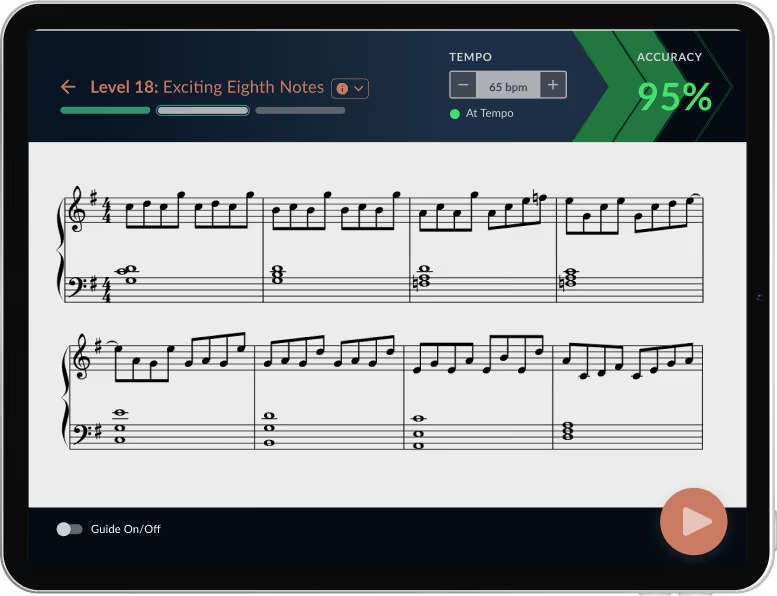
MuseFlow incorporates light gamified elements—such as progression markers and adaptive challenges—without turning practice into a distraction. This balance supports sustained focus while still providing enough feedback to reinforce consistency.
Psychological research on flow states suggests that learners remain most engaged when task difficulty closely matches skill level. By adjusting challenges dynamically, platforms can help learners stay motivated without frustration or boredom becoming barriers to regular practice.
.png)
Learners who prefer traditional, exercise-heavy practice and clearly segmented drills may find Piano Marvel well suited to their goals. Those seeking a more adaptive, feedback-driven experience often look for alternatives that emphasize efficiency, engagement, and skill transfer.
MuseFlow is designed for learners who want practice sessions to feel purposeful and time-effective, particularly adults balancing learning with other responsibilities. Rather than maximizing content volume, the focus is on making each interaction meaningful and aligned with how musical skills develop over time.
Digital piano education continues to evolve alongside advances in learning science and interactive technology. Platforms increasingly reflect a shift away from rigid, one-size-fits-all instruction toward personalized systems that respond to how individuals actually play.
As a Piano Marvel alternative, MuseFlow represents this broader movement toward adaptive learning, integrated feedback, and sight reading-centered instruction. For learners evaluating their options, understanding these pedagogical differences is often more valuable than comparing feature lists alone.
Choosing the right platform ultimately depends on learning style, goals, and preferred practice structure—but informed decisions are best made when the focus remains on educational value rather than marketing claims.
.avif)
Sometimes, the beginning of the year can bring stress, anxiety, or other emotional hurdles that we don't expect.
Prolonged stress and anxiety can result in respiratory problems, chronic pain, as well as a number of other issues - on top of just being plain unpleasant to deal with.
Studies show that learning to read and play music may improve mood and reduce depression symptoms.
Researchers discovered that subjects experienced relaxation, happiness, and increased tolerance of uncertainty. Novices to experts were given instruments to play and experienced these benefits over relatively short periods.
If you think about it, it makes sense that tolerance of uncertainty is a benefit of playing music. For one, jazz is highly unpredictable and requires a large amount of improvisation. You never know what’s going to come next. There’s a framework, but what’s being played within that framework is completely up to the other musicians you are playing with. Jazz is inherently uncertain.

There were also cognitive benefits in addition to improved mental health, including in aging adults and people with mild brain injuries. Increased dexterity and coordination resulted in an increased quality of life for a diverse group of people.
Music is one of those elements, like smell, that triggers memories in a very visceral way, especially when that memory isn’t able to be tapped into any other way. Unity Hospice summarized it well:
"when a dementia patient hears music connected to a memory, they can 're-awaken' and regain the ability to connect with people around them. Sometimes, people who haven't spoken for years find words and actually sing lyrics."
There are actually a few mechanisms through which playing music improves your wellness.
The multi-sensory workout of playing an instrument improves your executive function because the practice builds the corpus callosum, the area of the brain responsible for emotional regulation and problem solving. It’s a thick bundle of nerves that connect the right and left hemispheres and in musicians, it tends to be more developed. Over time, you can see improvement in executive function and even depression.
This is in addition to the feel-good neurochemical cocktail we get from music: dopamine (pleasure and motivation), oxytocin (the bonding hormone), and a significant drop in cortisol (the stress hormone). This naturally combats stress and anxiety.
Music training requires complex fine motor skills, as well as increased attention and concentration. While studies reveal an increase in processing speed and improved executive function in both healthy and unhealthy individuals, the exact mechanism is still being studied.
Picking up the piano has been shown to improve cognitive function in mild brain injuries as well as mental illness. There is even a dedicated branch of therapy, known as music therapy, combining clinical research with music to address diagnoses.
Music therapy is a structured approach to accomplish a patient’s goals by a credentialed professional. It has been proven to help treat and improve a number of conditions from Parkinson’s to childbirth. It is an extremely beneficial approach that many can benefit from, but it is distinct from an ongoing practice for personal wellbeing and fulfillment.
The same mechanisms that make music therapy effective for treating a wide array of conditions are available to you, too.
Learning piano is a skill that you can have for life, can help you become more attentive and less stressed, and you can have fun while doing it! You can take advantage of the physical, emotional, and cognitive benefits and build a personal wellness practice for yourself.
Music learning and wellness go hand in hand. If you’re ready to craft a unique, research-backed wellness practice for yourself, try MuseFlow! Our platform is designed not only for you to learn music in the most effective way possible, but to be engaged and motivated while doing it. MuseFlow is tailored to each pianist, allowing you to enter a Flow State; allowing you to increase skill acquisition, and decrease anxiety and boredom.
Optimize your wellness - try MuseFlow for free today.
Millions of people play the piano around the world. That’s millions of people at different skill levels, learning and improving at totally different stages of their piano journeys. That’s why we at MuseFlow are fascinated by trying to create a system for all levels and experiences.
But how do pianists judge their skill level? And do different countries use different methods?
This is where piano grading systems come in. These are exams that test things like song performance, scales, and knowledge of music theory. When you pass one of these exams, you can move on to the next grade and your piano-learning journey continues!
Let’s break down the most popular grading systems around the world and dig into which one might be perfect for you.
The ABRSM is a British music examination board that has been around since 1889. It offers in-person and digital exams and is one of the most commonly used and recognized grading systems worldwide. It is commonly considered a global standard for music education.
The grades start at Initial Grade for beginners, followed by Grades 1-8 of ascending difficulty. There’s no entry requirement for exams for Initial Grade through Grade 5, but exams for Grades 6-8 come with a prerequisite of passing Grade 5 or above in either Music Theory, Practical Musicianship, or Jazz Practical Grade. Beyond Grade 8, ABRSM offers three levels of advanced diplomas: ARSM, LRSM, and FRSM.
The exams focus on comprehensive musical knowledge, skills, and performance. You will be tested on:
Because their exams have a strong classical and traditional focus, ABRSM is perfect for students interested in classical piano training. And because ABRSM is the most well-known examination board, the grades you earn from them will be recognized around the world.
Trinity College London (was established in 1872 with more than 600,000 candidates per year in over 60 countries worldwide. While not quite as popular globally as ABRSM, Trinity College is still widely recognized and respected.
One of the big differences with ABRSM is that Trinity offers a separate pop and rock exam structure as well as their more classical-focused exam. Their exams also offer more flexibility and assessment options to choose from.
TCL has similar grades to ABRSM, with Initial Grade, Grades 1-8, and advanced diplomas ATCL, LTCL, and FTCL. Their exams are performance-focused and have face-to-face and digital options.
Here, you will tested on:
Because of their pop/rock grade track, Trinity College is perfect for someone with a more modern musical focus and sensibility.
The RCM is a Canadian school based in Toronto and was founded in 1886. Its system is also recognized internationally and is popular in North America, used by 500,000 North American students today.
The RCM system starts with Prep A and Prep B, and then moves on to Grades 1-10. This means that RCM has spread its system into more exams than ABRSM and TCL.
Exams are more focused around classical and jazz, but there is an option to substitute some songs from the pop syllabus as well. From Grades 5-10 you must pass a music theory exam before taking that grade’s performance exam.
In an RCM exam, you will be tested on:
RCM is a popular option for North American pianists who still want internationally recognized certifications. This is one of the more theory-focused systems, so it’s great for those looking to include more theory in their piano education. With more grades, it’s also good for musicians who want a more incremental approach to their musical education.
This is far from an exhaustive list of the piano grading systems, but ABRSM, TCL, and RCM are three of the most popular and widely recognized. The systems may come with different styles of exams, but all can help you set standardized goals, track progress, and offer certifications that can be useful for college applications and ensemble auditions. If you’re looking for a way to structure your piano learning progress, these piano grading systems can help you do just that.

Keep up to date on our progress as we continue to add new features!