AI
Flow State
Just-in-time
Self-Improvement
Can AI Improve Your Piano Sight Reading Skills? Evidence-Based Insights
October 16, 2025

Sight reading is one of the most important skills for pianists. It distinguishes musicians who can only play memorized pieces from those who can interpret new sheet music on sight. Many learners wonder whether technology can accelerate this skill and how AI might fit into piano practice.
The short answer: certain technologies can support faster sight reading development, but not all “AI” tools are equally effective. Adaptive systems that provide structured exercises, real-time feedback, and progressive challenges can help learners build fluency efficiently. Platforms like MuseFlow illustrate how algorithmic approaches can address these needs without relying on marketing hype.

Traditional sight reading practice often runs into a common problem: learners exhaust available material. Students practice exercises repeatedly until they no longer read the music but instead memorize patterns. This limits skill transfer and slows progress.
Research on sight reading shows that varied, progressive practice is essential for developing fluency and automatic recognition. Technologies that generate new exercises for each practice session can provide this variety and prevent dependence on memorization.
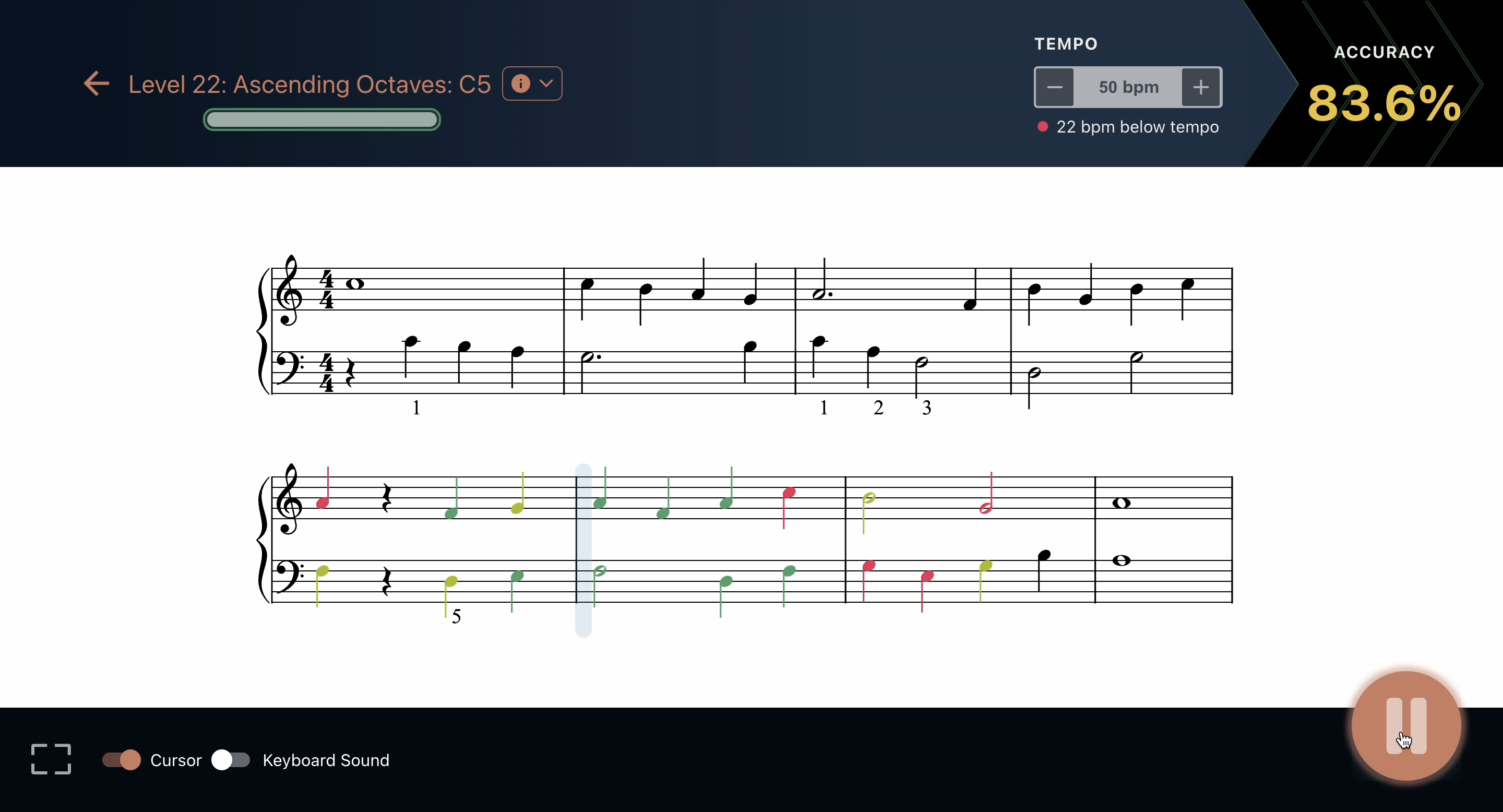
When evaluating technology-assisted sight reading, certain principles consistently support learning:
Exposure to new music is crucial. Adaptive systems that provide exercises tailored to a learner’s current level help maintain challenge without frustration. Each exercise should build on prior knowledge while introducing new patterns to promote continuous learning.
Timely correction prevents the reinforcement of mistakes. Systems that give visual or auditory cues—such as highlighting incorrect notes or timing issues—allow learners to adjust in real time. Research indicates that immediate feedback strengthens neural encoding and accelerates skill acquisition.
Pace matters. Learners need materials that increase in difficulty systematically. Overwhelming challenges can frustrate beginners, while overly simple exercises fail to develop skill. Progressively structured learning supports sustained improvement and maintains motivation.
Consistent, focused practice outperforms sporadic, lengthy sessions. Tools that encourage daily engagement—through visual progress indicators, achievable goals, or brief achievements—help learners stick with a routine. Studies on microlearning and adult education show that short, repeated sessions with immediate feedback improve retention and skill development.
Some modern platforms, including MuseFlow, use algorithmic methods to combine these principles. Rather than simply presenting a fixed library of exercises, they generate non-repeating sequences, adapt difficulty in real time, and track progress. This approach promotes:
Importantly, the benefit comes from the learning principles—structured progression, varied material, and feedback—not from the label “AI” itself.

Consistent musical practice strengthens cognitive networks and enhances pattern recognition. Learners exposed to diverse exercises and immediate feedback develop sight reading skills faster than those relying solely on repetition of memorized pieces. Algorithmic generation can replicate this variety efficiently, allowing for scalable, individualized practice.
Technology can accelerate piano sight reading when it adheres to research-based principles:
Platforms like MuseFlow demonstrate how algorithmic approaches can implement these principles, but the key takeaway is that effective learning depends on consistent, structured, and feedback-driven practice. By applying these strategies, learners can develop sight reading fluency, musical independence, and broader cognitive benefits.

The rise of artificial intelligence has sparked curiosity about its potential in music education. Many learners ask: Can AI help you learn piano faster? The idea is appealing — adaptive systems that respond to your skill level, provide instant feedback, and accelerate progress. However, not all AI-assisted tools are equally effective. Understanding what actually drives improvement can help you separate marketing claims from genuine learning strategies.
When people ask about AI in piano learning, they often refer to systems that:
Research on skill acquisition and adult learning consistently shows that consistent, structured practice combined with timely feedback leads to better outcomes than occasional, error-free practice alone. The same principles apply whether the system uses algorithms, AI, or traditional instruction methods.
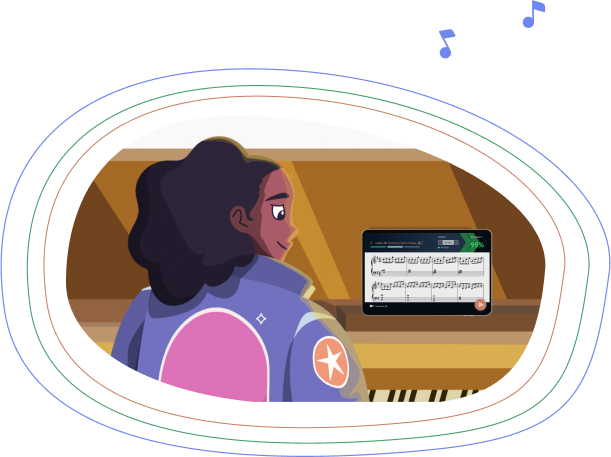
Many so-called AI piano apps simply track whether you hit the right notes. While useful, this approach primarily supports memorization rather than transferable musical skills. Effective learning requires sight reading fluency — the ability to interpret and perform new music quickly. According to music education research, sight reading proficiency is the strongest predictor of long term musical success.
Fixed song libraries or repetitive exercises can inadvertently reinforce dependence on the software rather than independent skill development. In contrast, tools that generate non-repeating exercises and adapt in real-time encourage learners to read, interpret, and play music more flexibly.
Regardless of AI involvement, several educational principles are consistently linked to faster skill acquisition:

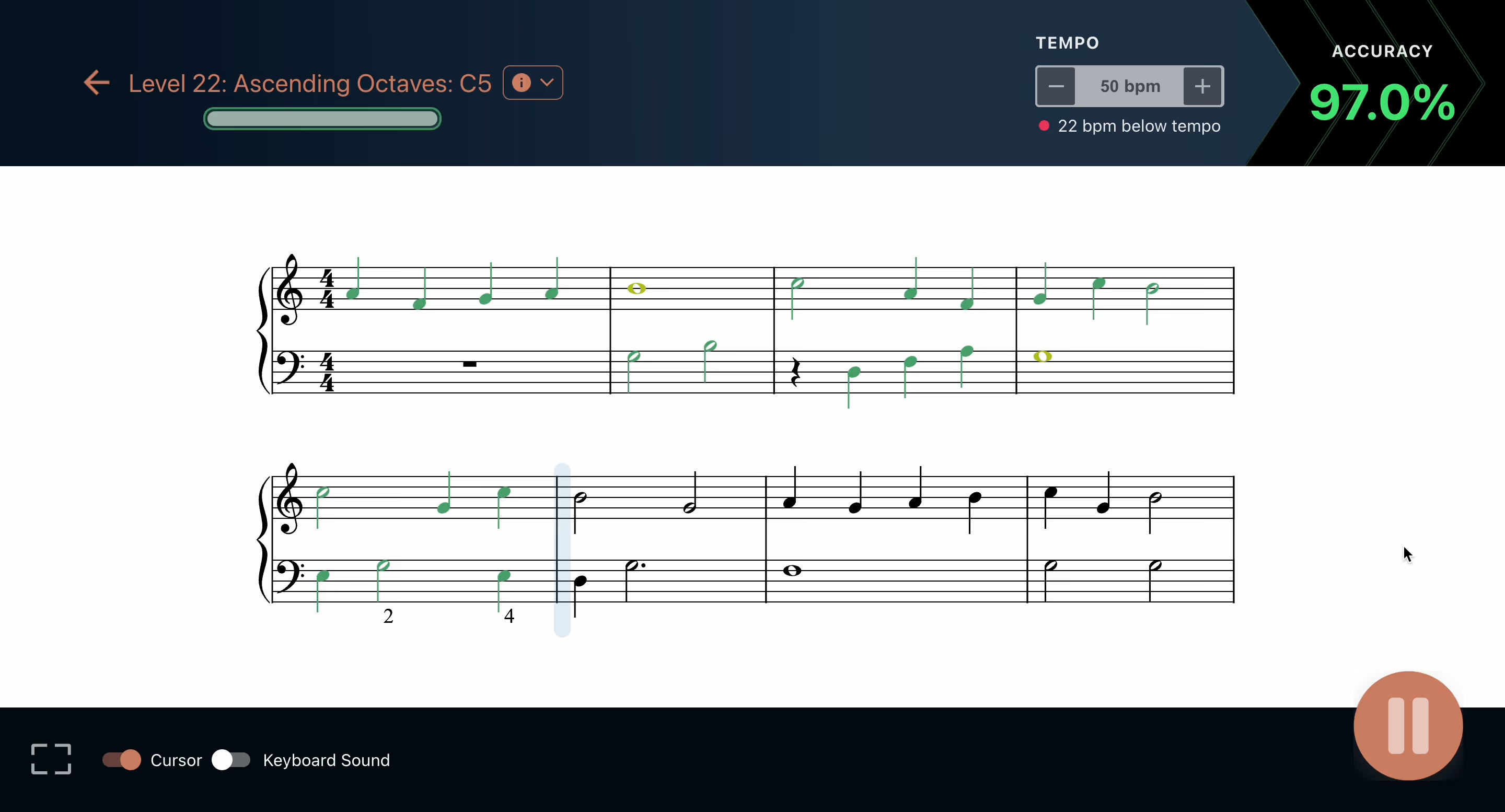
MuseFlow offers an approach aligned with these principles. Its real-time feedback system provides color-coded notes for instant correction, and its adaptive exercises generate new music sequences continuously, reinforcing sight reading skills rather than memorization. Users progress through levels and challenges that match their individual skill, keeping them in the optimal learning zone.
While this is one example, the underlying takeaway is that AI is not a magic shortcut. Success depends on consistent engagement, adaptive challenges, immediate feedback, and meaningful progression.
Ultimately, whether using AI, algorithms, or traditional methods, the goal is to develop transferable skills, maintain motivation, and reinforce consistent learning habits. Learners who focus on these core principles will see measurable progress, gain musical independence, and enjoy a more fulfilling piano practice experience.
Whether you’re an intermediate pianist looking to reach the next level or an advanced player aiming for perfection, refining your piano skills is a continuous and rewarding journey! With the right new tools and guidance, you can easily enhance your technique in 2026 with MuseFlow. It also helps you expand your repertoire, and deepen your musical understanding. Read below to find out how MuseFlow will help you refine your piano skills effectively.
Start using MuseFlow for free now!
MuseFlow has the ability to create personalized practice plans tailored to your specific needs. The app uses advanced AI technology to assess your current skill level and identify areas for improvement. Based on this unique assessment, the best free piano app offers a customized practice schedule that focuses on really refining your technique and addressing any weaknesses.
Why it matters? Personalized practice plans really make sure that you spend your practice time efficiently. Instead of working on one generic exercise or song after the other (the old-school way), you’ll be focusing in on the areas that need the most attention, allowing for faster and more targeted improvement. This is the fastest way to learn at a higher pace.
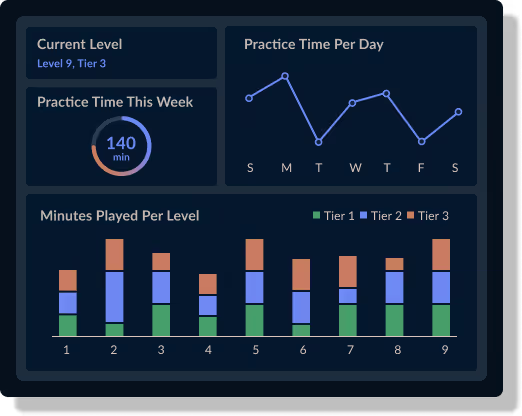
Refining your piano skills requires immediate & accurate feedback on your performance. MuseFlow provides real-time feedback as you play, helping you correct mistakes and perfect your technique on the spot. The app carefully listens to your playing and, with AI, analyzes your notes and timing, offering instant corrections and suggestions for improvement.. AI has the power to find errors and patterns in your playing that a human wouldn't be able to find on the spot.
Why it matters? Real-time feedback helps you develop good habits and avoid reinforcing mistakes. This instant guidance is crucial for refining your skills, ensuring that you’re practicing correctly and making the most of your practice sessions.
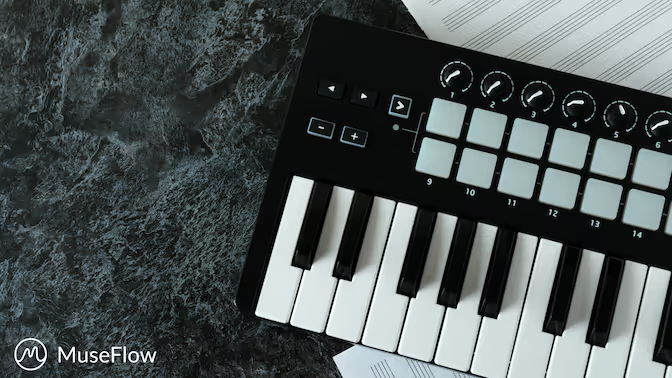
MuseFlow offers a wide range of advanced exercises & techniques designed to challenge and refine your piano skills. From complex scales and arpeggios to intricate finger exercises and advanced pieces, the app provides a comprehensive set of tools to help you push your limits and achieve new levels of proficiency.
Why it matters? Access to advanced exercises and techniques allows you to continually challenge yourself and prevent stagnation. By tackling more difficult material, you can expand your technical abilities and enhance your overall musicianship...if you're still asking yourself, how do I refine my piano skills? Then you've found the answer.

One of the key aspects of refining your piano skills is achieving a state of flow—where you are fully immersed and focused on your practice. MuseFlow is designed to help you reach this optimal learning state by providing just the right level of challenge. The app adapts to your progress, ensuring that each exercise is neither too easy nor too difficult, keeping you engaged and motivated.
Why it matters? Being in a flow state makes practice sessions more productive and enjoyable. When you’re fully engaged, you’re more likely to retain information and improve your skills. This goes for learning and refining any skill. MuseFlow’s ability to get you in this special state helps you get the most out of your practice time. You will love it! It will feel like time is just passing by without you noticing.

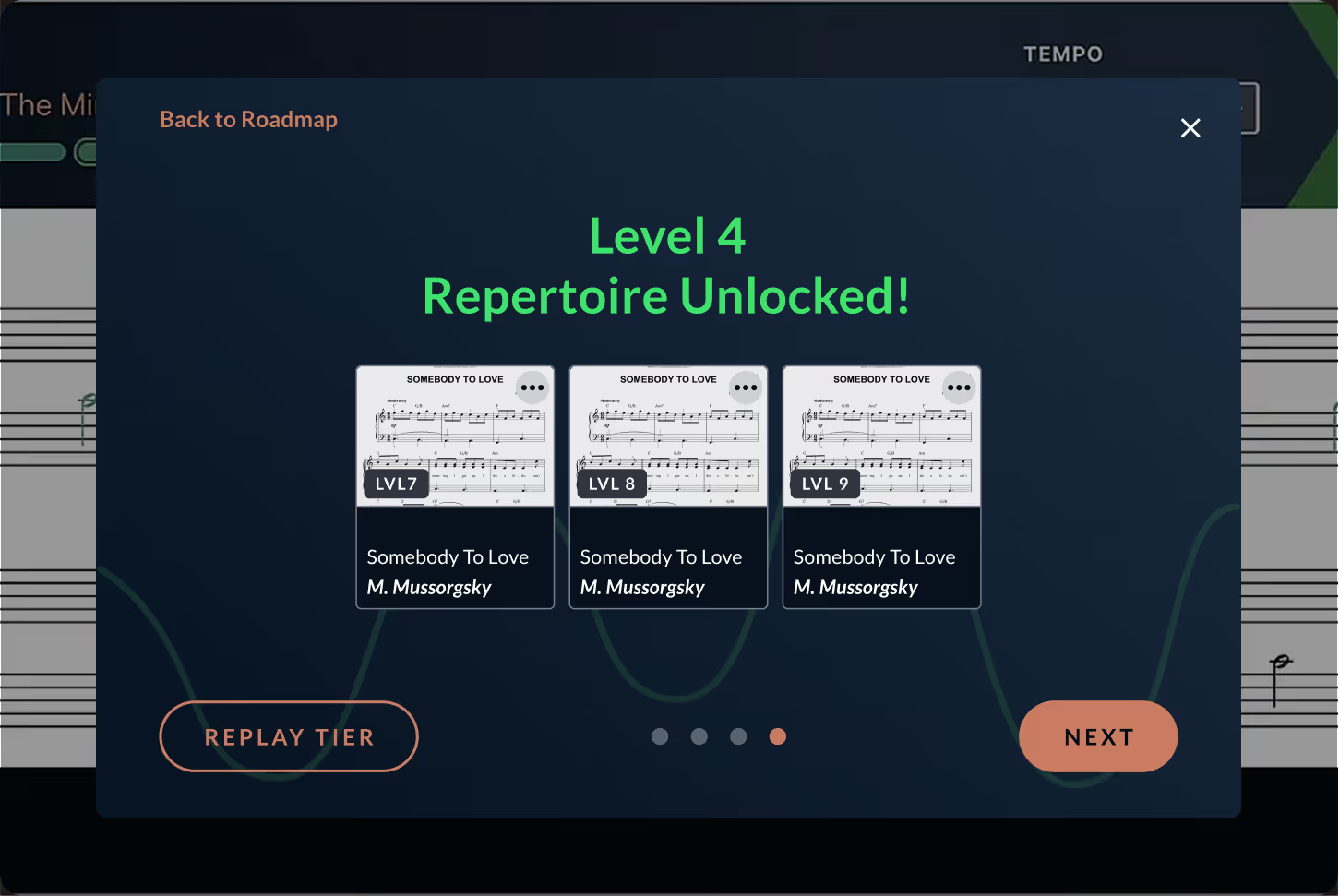
The best piano lessons app has an extensive music library which is another powerful tool for refining your piano skills. The app offers a large selection of pieces across various genres and at every difficulty level. This really allows you to explore new styles and expand your repertoire. Thanks to AI this is now possible and will help you have more fun while learning. Each piece is accompanied by detailed tutorials and practice tips to help you master it.
Why it matter? A diverse repertoire is essential for any pianist looking to refine their skills. By playing a wide range of music, you can develop versatility and adaptability, which are crucial for advanced musicianship. MuseFlow’s library ensures that you always have new and exciting pieces to learn.
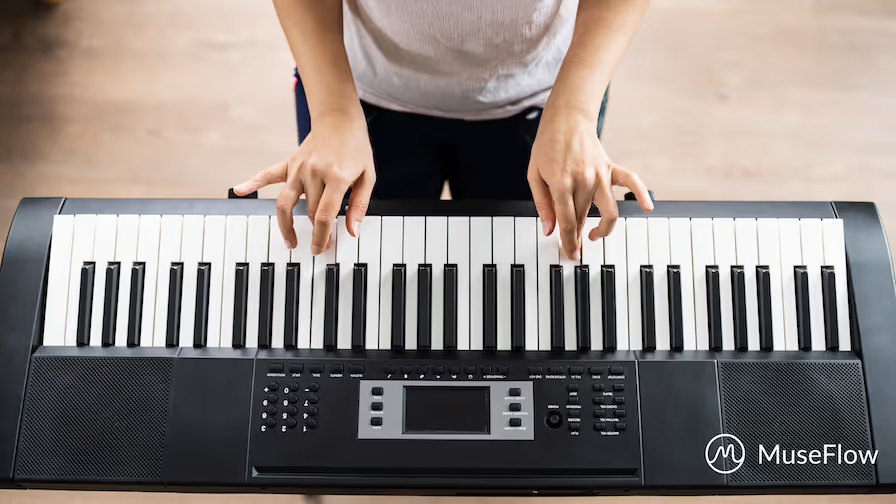
Refining your piano skills is a continuous journey. It requires dedication, the right tools, and effective guidance! MuseFlow really stands out as the ideal companion for this special journey, offering personalized practice plans, real-time feedback, advanced exercises, and a supportive community. Whether you’re aiming to perfect your technique, expand your repertoire, or achieve new and better levels of playing and sight reading, MuseFlow provides the resources and support you need to succeed.
Start refining your piano skills with MuseFlow today and experience the difference that advanced technology and personalized learning can make. We promise you will love it!
If you're looking for the best piano learning app, you're in the right place. You've probably come across some apps such as Simply Piano and others. While every technology has some benefits, there is a new player in town that you have to check out. MuseFlow stands out as the best Simply Piano alternative, offering unique features and benefits that make it the superior choice for aspiring pianists. In this blog post, we'll explore why the California based tech company is the best Simply Piano competitor and how it will enhance your piano learning journey.
Start using MuseFlow for free now!
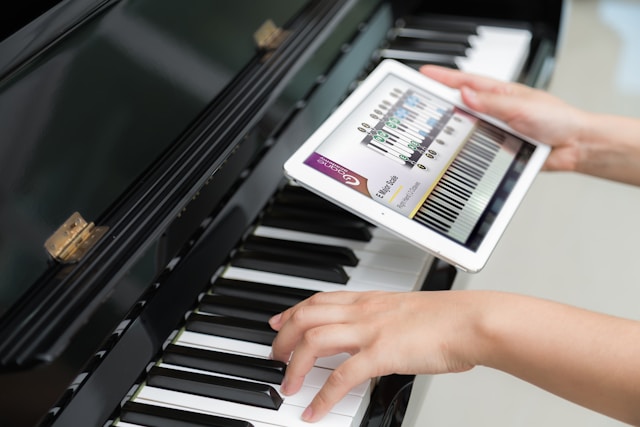
One of the most significant advantages MuseFlow has its personalized learning experience. The software uses advanced AI technology to tailor each lesson to your specific skill level and also to your specific learning pace. This means that the app always adapts. It adapts to your progress, making sure that you're always challenged but never overwhelmed. This keeps you learning fast while having fun.
Why it matters? Personalized learning methods keep you engaged & motivated. This makes the learning process more efficient but also a lot more enjoyable than ever before. Instead of just following a rigid (and often boring) curriculum, with MuseFlow you learn at your own pace, while focusing on areas that need improvement, reinforcing your strengths.
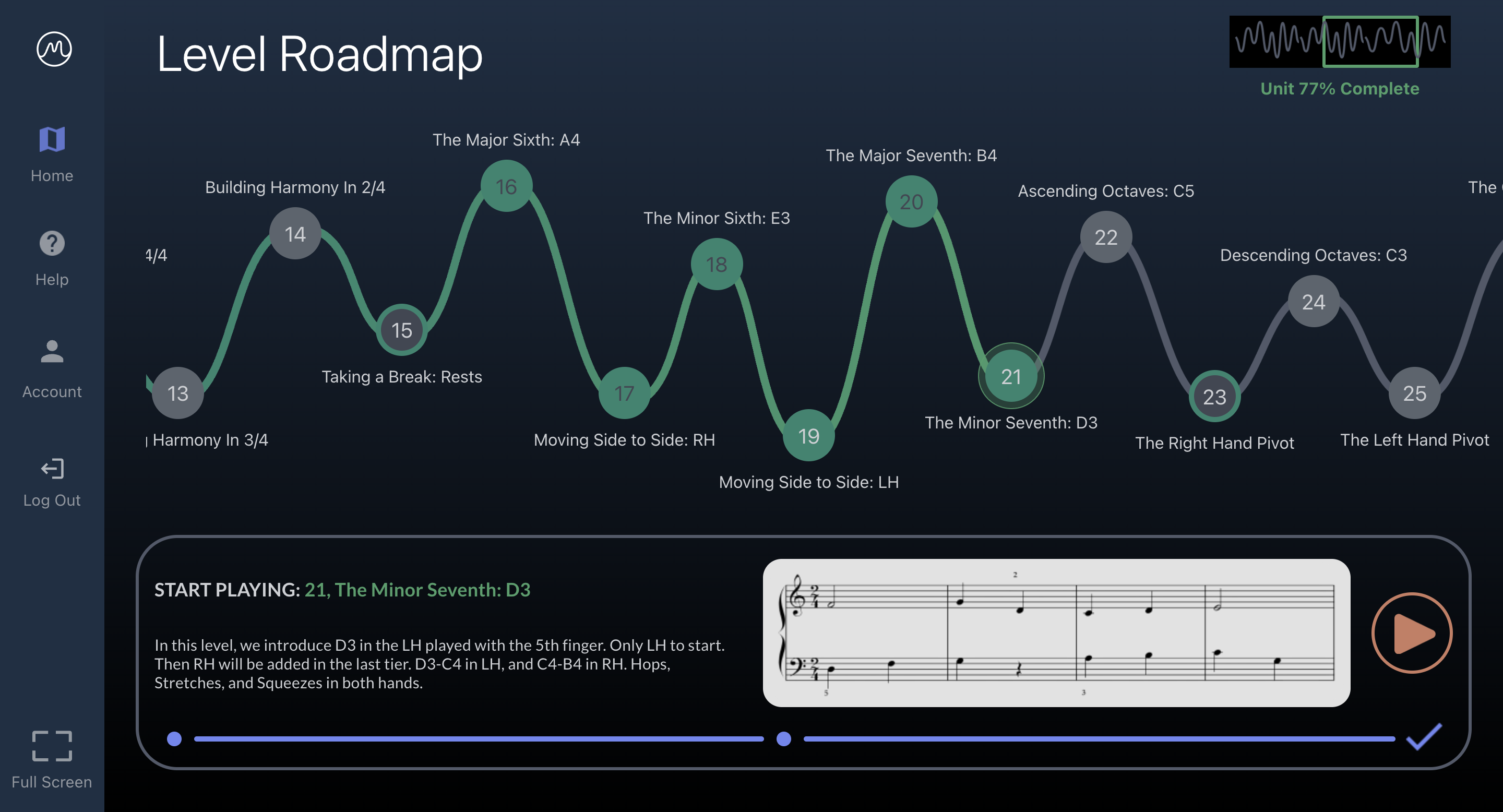
The piano teaching app provides real-time feedback on your playing. This is something that many Simply Piano competitors lack. As you practice, the app listens to your performance and offers instant corrections. Those corrections and improvements are on the unique notes, timing, and techniques. This immediate feedback is obviously very important for developing the correct playing habits. This will help you really make sure that mistakes are corrected on the spot. This instant feedback loop will help you get better at a faster rate than ever before.
Why it matters? Real-time feedback helps you progress faster and with greater accuracy. It’s really like having a personal tutor, that is available 24/7! One that guides you through each practice session. This feature is especially beneficial for beginners who need constant guidance to develop their skills correctly.
While Simply Piano has some old-school gamification elements, MuseFlow takes it to the next level! The app incorporates fun progress bars, achievement badges, and interactive challenges that make learning piano feel like playing a game. This new gamified approach keeps you motivated and makes practice sessions more enjoyable. You have probably seen it on other apps that keep you engaged, but instead of scrolling an app for no real reason, it's of course better to use it for learning a new skill.
Why it matters? Staying motivated is one of the biggest challenges when learning an instrument. If you've tried learning any instrument, you will completely understand. By making the learning process fun & rewarding, MuseFlow helps you want to stay committed to your practice routine. This helps you achieve your musical goals a lot faster than what was possible before. With our free trial for 7 days, it's like having simply piano free. You will only pay if you like and use the app, you won't get locked in!

MuseFlow offers a thorough educational framework. One that covers all aspects of piano learning, from basic techniques to advanced music theory. The app’s extensive course structure give you well-rounded skill set... making you a more versatile and confident pianist.
Why it matters? You will now have a solid foundation for your musical journey. Whether you’re a complete beginner or looking to refine your skills, MuseFlow’s complete course structure makes sure that you have access to all the resources you need to succeed. You will never get bored!
The piano lessons app was developed by professional musicians and educators. Those who understand the challenges of learning piano. Some of the founders started as self-taught pianists themselves, which gives them a unique perspective on the needs of learners. Their expertise is strongly reflected in the app’s user-friendly design and thoughtful features. We can assure you that you'll really enjoy taking your Midi piano lessons, more than any other lessons, we promise you that!
Why it matters? Learning from an app designed by experts means you’re getting high-quality instruction that addresses the most important challenges & frustrations. This unique design, with you as the user in mind as the #1 priority, ensures that you’re learning effectively and efficiently -- helping you progress faster.
When it comes to finding the best Simply Piano alternative, MuseFlow is your best choice! That's for many reasons, such as its personalized learning experience, real-time feedback, gamified approach, comprehensive curriculum, and expert design. These features make MuseFlow the better choice for anyone serious about learning piano. The app has a free trial, so you can try it before having to pay anything.
While Simply Piano is an option, MuseFlow offers a more tailored and engaging learning experience that can help you achieve your musical goals faster, while bringing more joy into your life.
Learning to play the piano can be incredibly rewarding, but it also comes with a fair share of challenges. When learning any instrument it’s not always easy to stay motivated, especially when progress seems slow or when life gets busy... thankfully, MuseFlow is here to help you stay motivated while learning piano and make learning a lot more enjoyable. Read below to see how to stay engaged, have fun, and stay highly motivated.
MuseFlow is more than just a piano learning app – it’s your personal partner in staying highly-motivated and achieving your musical goals. Here are a few ways the AI piano teacher excels in keeping learners engaged in the most fun way possible:
The software uses advanced AI technology. It tailors your learning experience to your unique needs & progress. The app adapts to your skill level and learning pace, making sure that you are always working on material that is both challenging yet achievable... This personalized approach helps prevent frustration and boredom, two motivation killers. You will stay inspired to continue practicing.

Fast feedback is crucial for motivation. MuseFlow provides real-time feedback on your playing, allowing you to correct mistakes instantly! This is the best way to see fast progress. The app also strategically tracks your performance over time. This gives you detailed personal insights into your improvements. All users say they prefer this over a real person teaching them. Seeing tangible progress can be incredibly motivating!
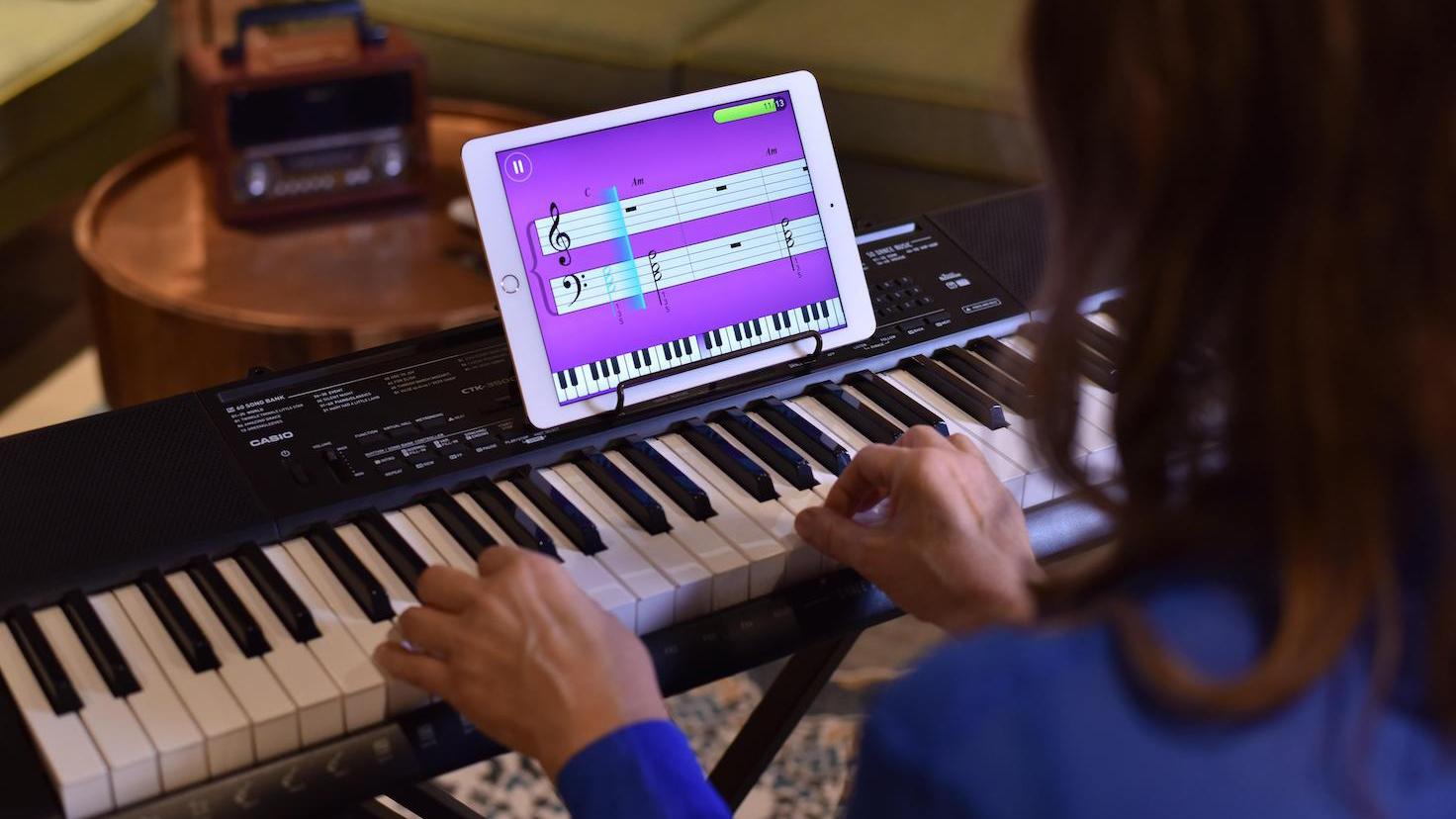
The piano teaching app turns learning into a game. This means you will see glowing progress bars, level complete screens, and fun interactive tutorials. This gamification makes practicing so much more fun than before, and it also helps you stay committed to your learning routine! The great sense of accomplishment from seeing that level complete screen after beating each level boosts your confidence and will encourage you to keep going...

One of the technologies most LOVED features is its incredible ability to help you enter a state of “flow.” This state is the best state to learn. This is a mental state where you are fully immersed and focused on your practice. The experience becomes more enjoyable and productive. If you think back on your best learning experiences, they were very likely in a flow state. MuseFlow (the name already says it) is adaptive, and has a guided learning paths and real-time feedback that keeps your brain engaged, facilitating a state of flow, which helps you retain new information and develop skills a lot quicker.

It’s obvious but important. Setting clear, achievable goals is essential for staying motivated. Break down your larger goals into smaller and also manageable tasks. For example, aim to learn a specific song within a month, or master a particular technique over a couple of weeks. When achieving these smaller goals you get a better sense of accomplishment – this keeps you motivated to tackle bigger challenges. It will be easier to feel the progress you’re making!.
You've heard it many times “consistency is key” especially when learning an instrument.. Get into a regular practice schedule that fits into your daily routine. Really even 15-30 minutes of focused practice each day will lead to very strong improvements over time. You can use free tools like Google Calendar to set reminders and block out dedicated practice time. If you miss a day, don’t be too hard on yourself. An amazing book to create habits is Atomic Habits: An Easy & Proven Way to Build Good Habits & Break Bad Ones by James Clear.
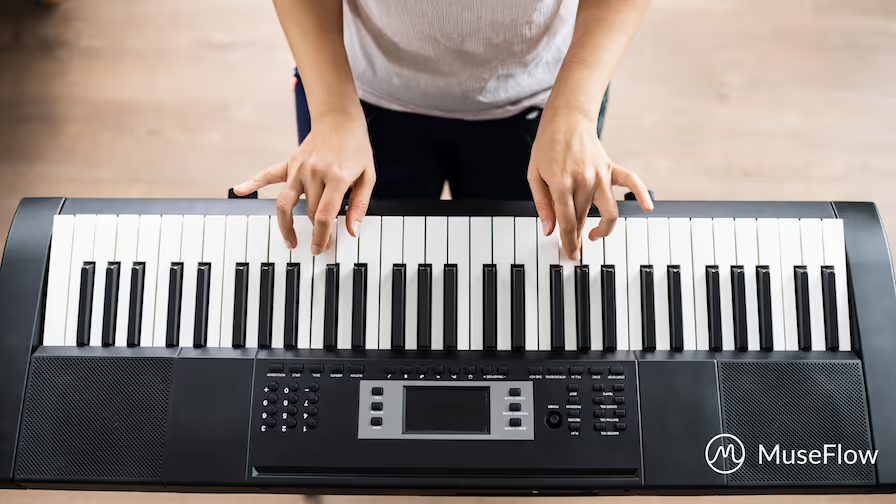
Listening to a wide variety of different music can inspire & motivate you to practice. Check out new genres, artists, and pieces that excite you. Those will make you eager to play. Also make sure to attend live performances or watch videos of talented pianists to see what’s possible with dedication and practice… for inspiration, also check out the list of must-watch piano performances from Classic FM.
Connecting with other piano learners can provide support and encouragement, and also motivation. You can join online forums, social media groups and accounts, or local music clubs to share your progress, ask for advice, and celebrate achievements together! Everyone loves a sense of community. It can be incredibly motivating and help you stay committed to your learning journey.
Reddit’s r/piano is a great community for connecting with fellow piano enthusiasts.
Rewarding yourself for reaching milestones can really really boost motivation. Treat yourself to something special when you achieve a goal, whether it’s a new sheet music book, a relaxing break, or a favorite snack (or whatever motivates you). Continuous positive reinforcement can make the learning process more enjoyable, and encourage you to keep progressing. This is much better than always punishing yourself, thus, associating a bad feeling to learning to play piano.

Staying motivated while learning piano is challenging for most. As mentioned above, with the right tools and strategies, it’s entirely possible. MuseFlow provides an amazing solution with its personalized learning paths, real-time feedback, gamified experience, and ability to facilitate flow state. These features make learning piano enjoyable and engaging, helping you stay committed to your musical journey. It’s the best music education technology out there in 2024.
In addition to using MuseFlow, remembering to set clear goals, maintaining a consistent practice schedule, finding inspiration in music, joining a community, rewarding yourself, and embracing challenges can all contribute to sustained motivation. We hope this helps you stay motivated and happy!
Start your musical journey with MuseFlow today and discover the joy of learning piano with an amazing and friendly partner that keeps you motivated every step of the way.

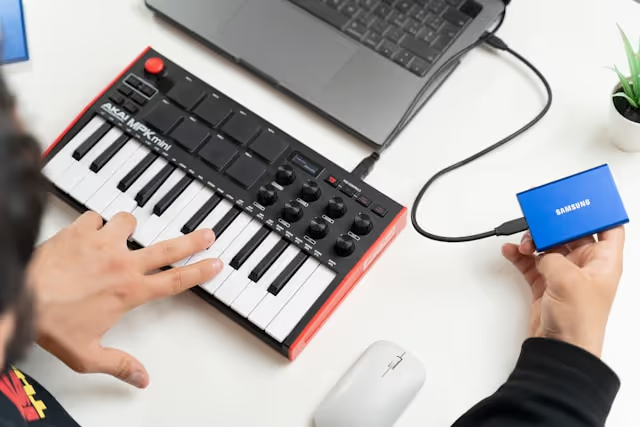
Learning to play the piano will always be a journey filled with excitement and challenges. With advancements in technology, MIDI keyboards have become a popular tool for beginners as well as experienced musicians. You might wonder, can you really learn piano on a MIDI keyboard? Yes you absolutely can! With the right software like MuseFlow, you can effectively learn piano using a MIDI keyboard. We've listed 5 reasons why MuseFlow is the best choice for this musical adventure!
Try MuseFlow right now for FREE
The California based startup's development is spearheaded by founders who have extensive backgrounds in both music and technology. This unique combination of expertise gives the app a deep understanding of what it takes to learn piano effectively. You have the best of both worlds working on the AI powered app.
The founders include professional musicians and educators who have spent years on their craft and they all understand the intricacies of music education. Their unique insights have shaped MuseFlow into an intuitive and user-friendly app. It addresses the specific needs of piano learners. This aforementioned strong foundation in music theory and practice, combined with engineering skills, makes it the best app for learning piano on a MIDI keyboard.
The piano app provides a smart learning path that adapts to your progress. MuseFlow’s adaptive learning paths is built in a way that each lesson builds on your existing skills, introducing new concepts at the right time.
The software has machine learning capabilities that take your learning, challenges, and successes into account. It adjusts the difficulty of exercises and pieces accordingly. This means you are neither bored with material that’s too easy nor overwhelmed by too difficult tasks. The adaptive technology makes sure that there is always a steady and manageable progression. This makes it easier to stay motivated and see consistent improvement! This adaptive learning is something we couldn't have imagined only a few years ago, especially when it comes to learning music instruments.
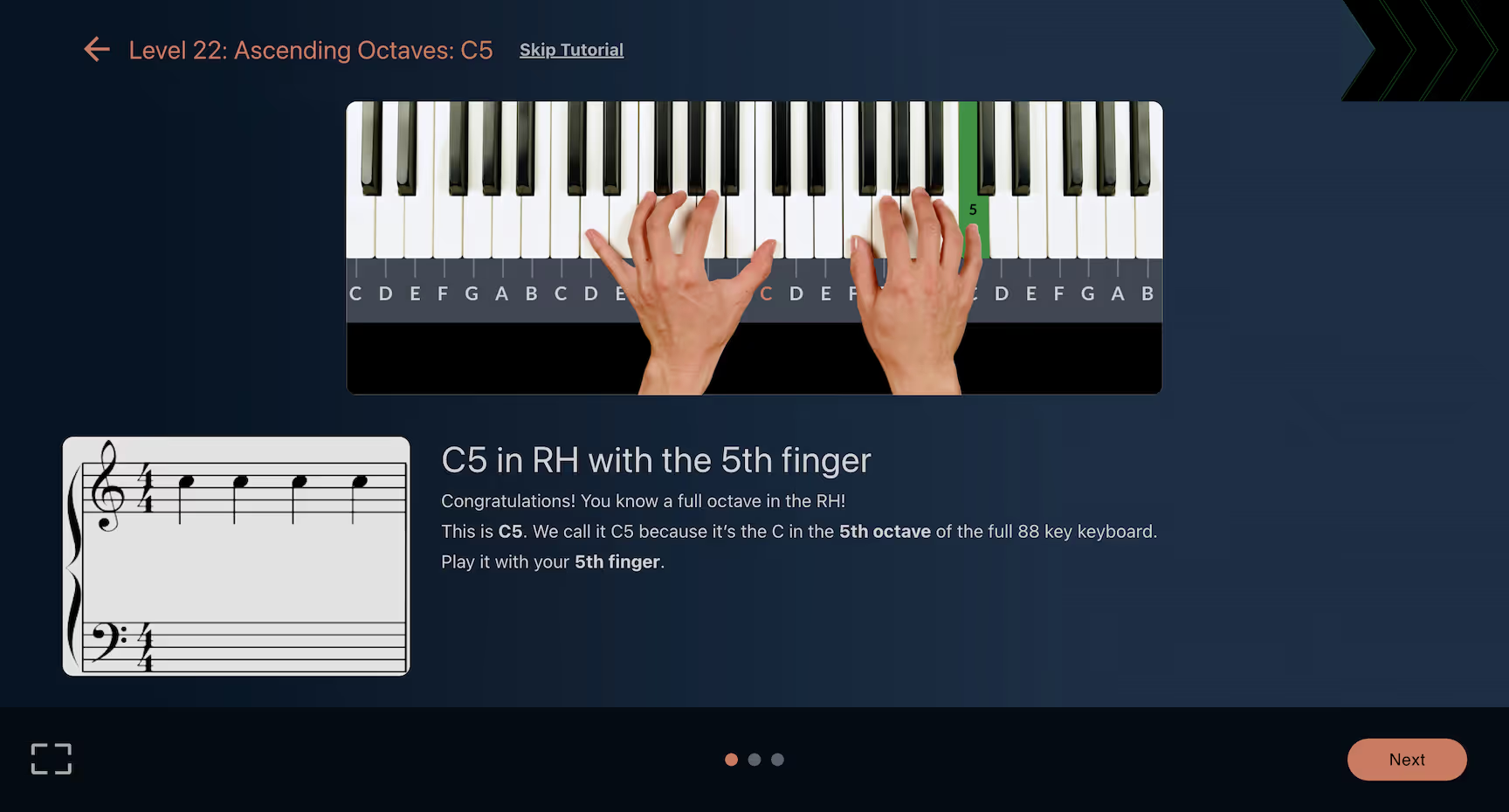
Learning piano on a MIDI keyboard with MuseFlow comes with many benefits. The rich interactive features make the process engaging & fun. The app includes interactive tutorials, practice exercises, and even games that help reinforce musical concepts in a FUN way.
These features are also designed to make learning more dynamic and less monotonous, to help you stay inspired. Nobody likes boring piano lessons. The software allows you to master each part before moving on. This interactive and gamified approach keeps you engaged and eager to practice more, which is important for sustained learning.
The music learning app offers an extensive library of music and practice tools. These cater to all different kind of skill levels and musical tastes. Whether you’re interested in classical, jazz, pop, or any other genre, the AI piano teacher has a wide range of pieces to choose from. So you will definitely find something that you like, even if your music taste is different from the mainstream.
The app’s practice tools are designed to help you develop the most important aspects of your piano playing. From sight reading to technique. These tools are customizable, and allow you to focus on specific areas where you need improvement. The variety and depth of resources in the music library ensure that you always have something new and exciting to learn. The goal of this is to keep your practice sessions fresh, fun and always motivating!
When learning a new instrument and even when perfecting an instrument, you really need real-time feedback and performance tracking. This new learning app works so that when you play your MIDI keyboard, it provides instant feedback on your performance! It really highlights areas where you hit the right notes and timing, as well as areas that need some improvement. All this feedback is done in the nicest most motivating way, so that you want to keep improving.
This immediate feedback loop is invaluable for self-learners. This is because it helps you to correct mistakes in real-time. It then reinforces proper techniques & habits. Additionally, the software tracks your performance over time. This provides detailed reports on your progress. This tracking also helps you see how far you’ve come and identify specific areas to focus on. With these features, you are positively forced to get better fast!
Learning piano on a MIDI keyboard is not only possible but also super effective with the right modern software. MuseFlow is currently the best piano learning software for MIDI keyboards due to its founders' expertise, adaptive learning paths, rich interactive features, extensive music library, and real-time feedback capabilities!
Whether you are a beginner starting your musical journey or an experienced player looking to refine and improve your skills, the AI software provides the resources, support, and motivation you need to succeed.
Digital music education has expanded rapidly, and MIDI keyboards have become a common entry point for adult piano learners. With so many learning platforms available, choosing the right software can significantly shape early progress, motivation, and long-term consistency. Rather than focusing on any single “best” option, it’s more useful to understand what features actually matter when learning piano with a MIDI keyboard.
Most modern piano learning platforms share similar goals but implement key features—such as feedback, pacing, and content structure—quite differently. The sections below outline the core criteria that experienced educators and adult learners typically look for. One platform, MuseFlow, is referenced as a practical example of how these ideas can be applied in real software.
Effective piano learning software should respond to how a learner actually plays, not just follow a fixed syllabus. Adaptive systems adjust difficulty based on accuracy, timing, and consistency, helping learners stay challenged without becoming overwhelmed.
Educational research on skill acquisition shows that appropriately scaled challenges and clear goals improve retention and motivation, and this principle is supported by studies on adult learning dynamics and instructional design. In practice, this means exercises should become easier or harder depending on recent performance, rather than advancing on a preset schedule.
Some platforms, including MuseFlow, apply performance tracking to adjust lesson difficulty dynamically, which can help learners stay within an effective learning range instead of repeating material that is either too easy or too demanding.
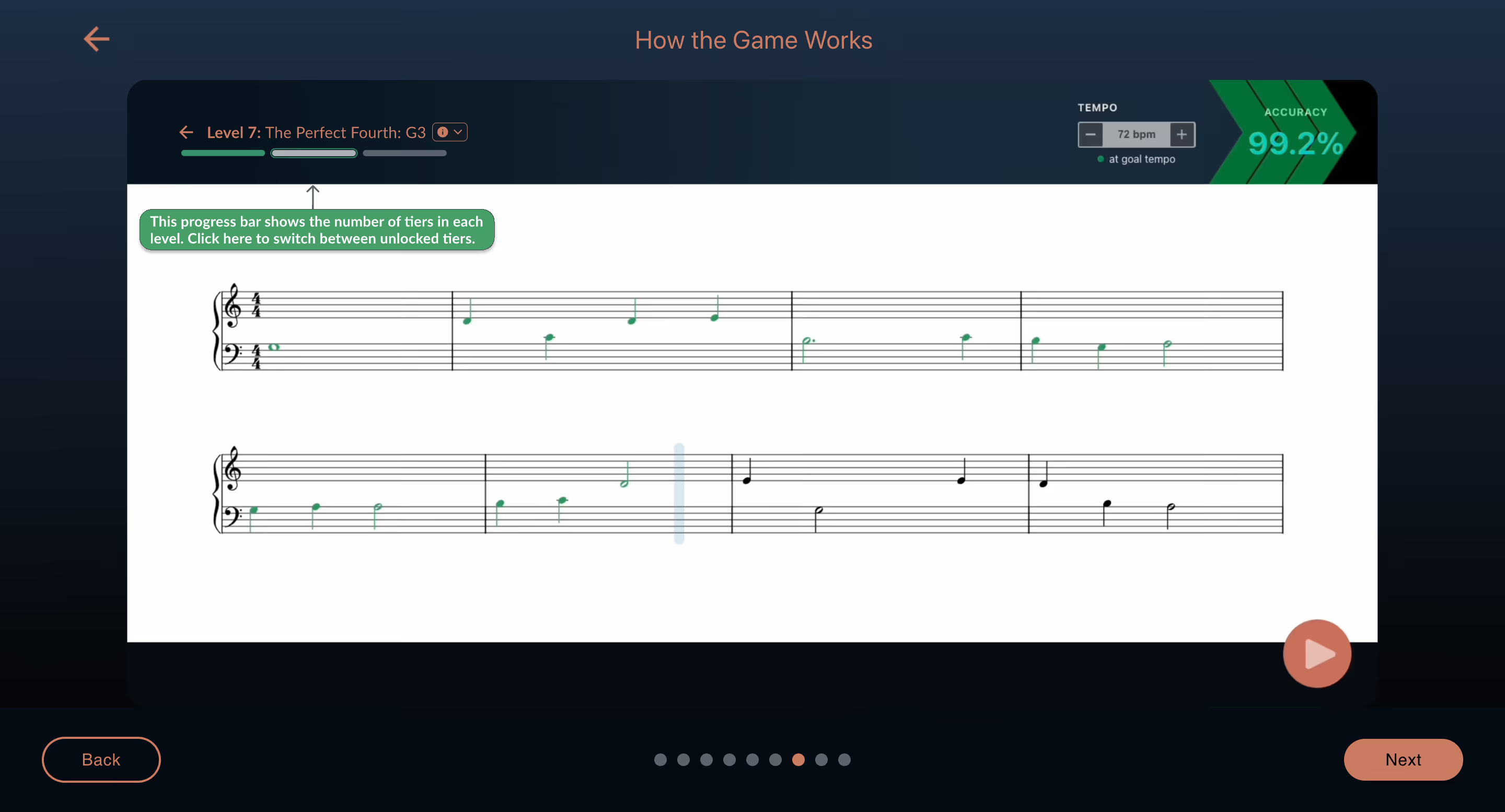
Immediate feedback is one of the most valuable features a MIDI-based learning system can offer. When software detects pitch, timing, and rhythmic accuracy in real time, learners can correct mistakes as they happen rather than reinforcing errors over multiple sessions.
This type of feedback is particularly helpful for beginners, who often struggle to self-diagnose issues while playing. Clear visual or auditory indicators allow learners to understand what went wrong and where, without interrupting practice flow.
Platforms like MuseFlow visualize note accuracy and timing during exercises, illustrating how real-time feedback can function as a continuous guidance mechanism during independent practice sessions.

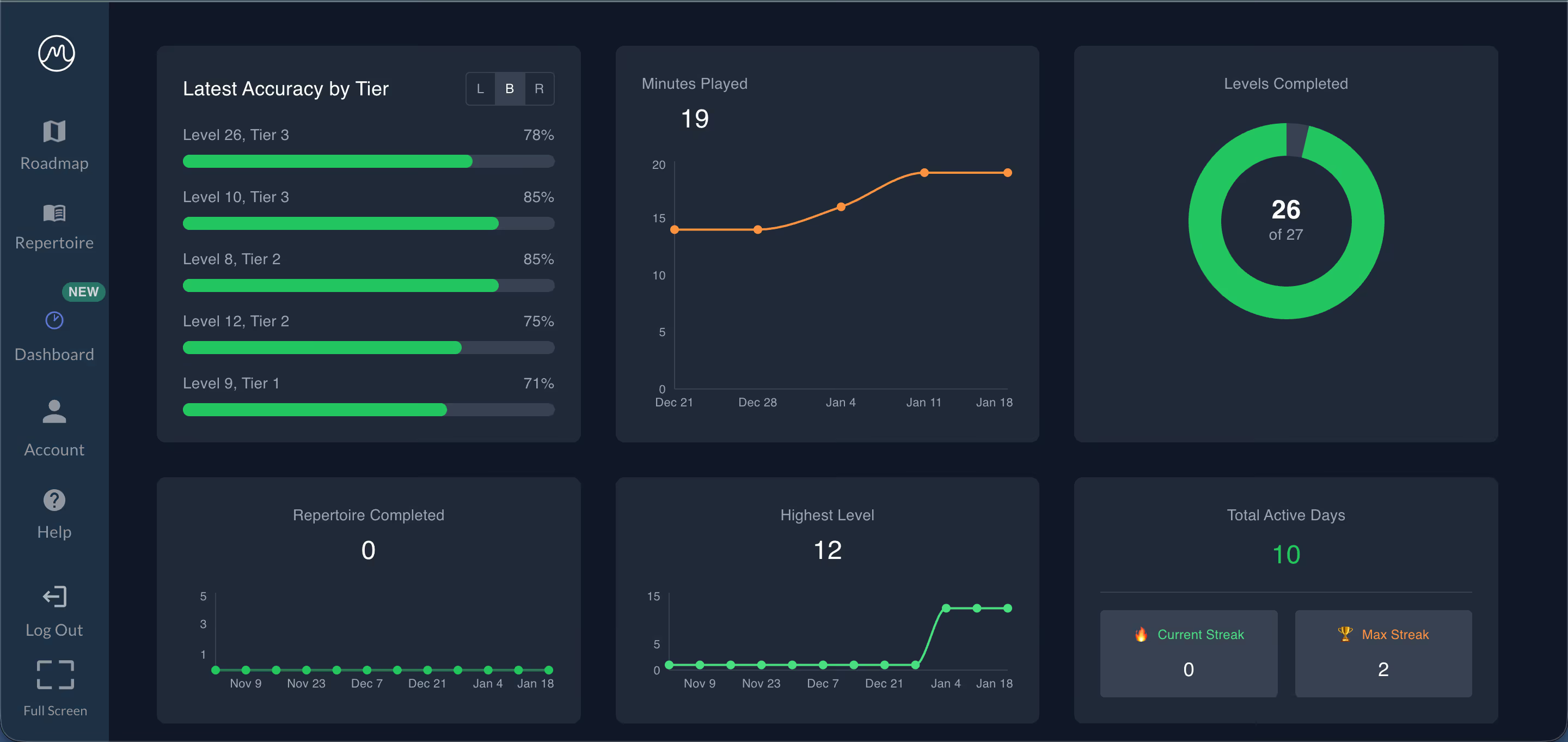
Sustained practice depends on engagement, but engagement doesn’t require excessive gamification. Effective learning tools use simple progress indicators—such as completion tracking or gradual difficulty increases—to maintain motivation without turning practice into a distraction.
Adult learners, in particular, tend to respond better to clear progress signals than to novelty alone. Structured challenges and visible improvement can reinforce consistency while keeping attention focused on musical fundamentals.
Some modern piano learning platforms incorporate light gamified elements—such as progress markers or skill milestones—to encourage regular practice while keeping the emphasis on musical development and who knows, maybe you'll discover a fun piano learning method in the process!
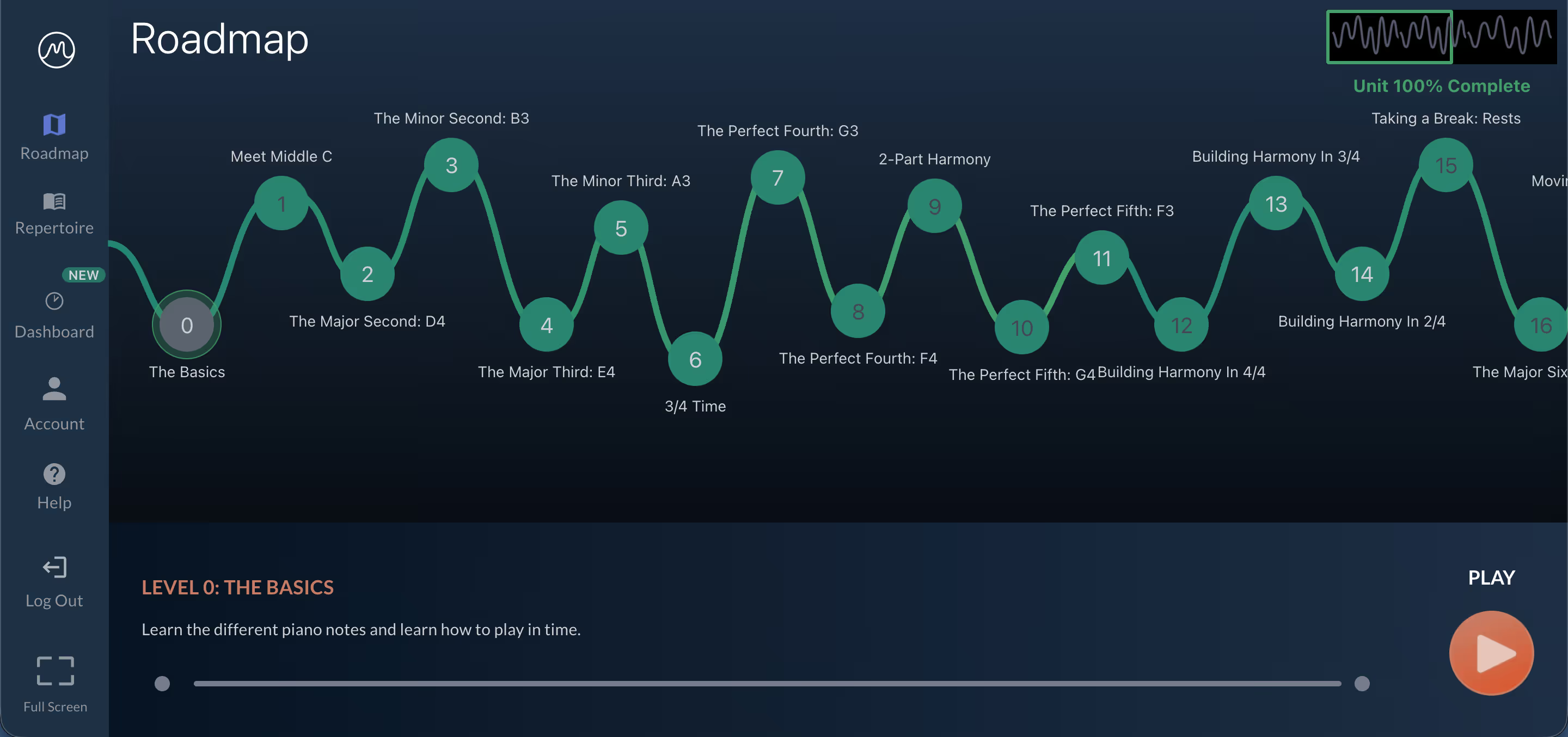
A strong learning platform should balance structure with choice. Learners benefit from a curated progression of exercises, but also from access to repertoire that feels musically rewarding.
Exposure to varied musical styles helps reinforce reading skills, rhythm, and coordination, while structured exercises isolate specific techniques. The most effective systems integrate both, allowing learners to apply technical skills directly to musical pieces.
MuseFlow, for example, combines targeted skill exercises with a rotating repertoire library, illustrating how variety and structure can coexist without overwhelming the learner.
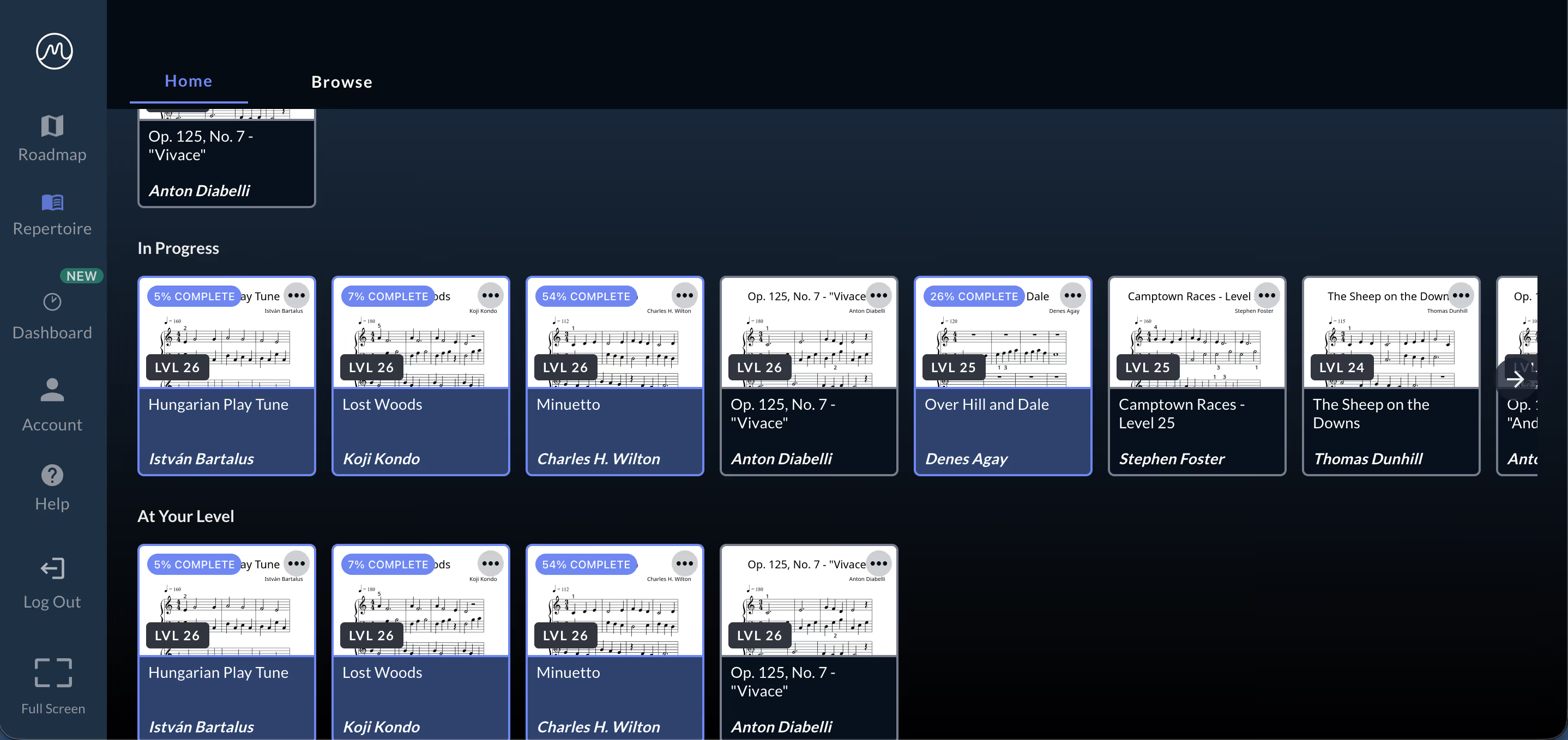
One of the main reasons adults abandon new instruments is inconsistent practice. Software that supports short, flexible sessions lowers the barrier to daily engagement.
Consistency matters more than session length, and platforms that allow learners to resume exactly where they left off help reduce friction. This approach aligns with adult learning research showing that visible progress and self-paced control increase persistence over time.
Self-directed MIDI learning tools, including MuseFlow, demonstrate how flexible session design can support regular practice without rigid scheduling demands.
.png)
Evaluating piano learning software through these criteria—adaptive pacing, real-time feedback, focused engagement, structured variety, and flexible practice—provides a clearer framework than searching for a single “best” option.
Different platforms emphasize these elements in different ways, and the right choice depends on learning style, goals, and available practice time. Used here as an illustrative example, MuseFlow shows how these principles can be implemented in a MIDI-based learning environment, but the framework itself applies broadly across modern piano learning tools.
Understanding why these features matter allows learners to make more informed decisions—and ultimately build a practice routine that is sustainable, effective, and musically rewarding.


Keep up to date on our progress as we continue to add new features!