Flow State
AI
Best Way to Learn Piano as an Adult: How MuseFlow Stands Out
June 26, 2024

Lets be honest, learning to play the piano as an adult can be really tough. Between busy schedules, daily responsibilities, and the volume of information available, it’s easy to feel OVERWHELMED.. but don’t worry! We're here to help! MuseFlow, a new AI technology, is here to make your piano learning journey fun, efficient, and enjoyable! Just like it should be. Below are 6 quick reasons how it helps adults play piano without the hassle...

Learning piano should be fun, not a chore. Unfortunately most of the time it feels like a chore. MuseFlow strategically adds gamified elements into the learning experience to make it enjoyable and engaging for you. This means you have progress bars, accuracy trackers, and rewarding milestones. So that each practice session feels like a game. A fun game! This gamified approach keeps you motivated and excited to learn more.
The app’s interface is very user-friendly and visually appealing as it should be in 2024. This makes it more fun to use. Now whether you’re playing a new piece or mastering a challenging exercise, the software makes sure you have a GREAT time while learning.... After all, music is meant to be enjoyed!

Fortunately we live in a time where AI-driven personalization really works. This means the app tailors lessons to your specific skill level - to make sure that each session is made for your unique progress. This means you can progress at your own pace without feeling rushed or held back. This new-school personalized approach helps keep you staying motivated. You will want to go back to your lessons. It's not like a private teacher that can get frustrated with you and take the fun away.
That's why you have to imagine this software like a personal piano tutor who understands exactly where you are in your learning journey. This tutor adjusts the lessons accordingly, and is always in a good mood. That’s exactly what MuseFlow offers. It’s like having a dedicated (nice) teacher who is always there to guide you.

One of the biggest challenges adults face when learning piano is finding the time to practice. MuseFlow solves this problem by offering a flexible learning schedule. You can practice whenever you have a few minutes to spare, whether it’s early in the morning, during lunch breaks, or late at night.
MuseFlow’s on-demand lessons mean you’re not tied to a fixed schedule. You can fit piano practice into your busy life, making it easier to stay consistent. The app also provides practice reminders to help you maintain a regular practice routine, which is key to making steady progress.

The California based tech startup built the app so that it provides you with real-time feedback on your playing. As you can imagine this is incredibly valuable for adults learning piano. As you play, the app listens to your performance and gives immediate feedback. To be exact, it gives you feedback on your accuracy & technique. This instant response helps you better correct mistakes on the spot, and this helps you develop amazing habits.
Traditional lessons often involve waiting for feedback until the next class, but with MuseFlow, you get it instantly! This feature makes learning fast and more effective and promises improvement... a piano lessons app that gives you instant gratification when deserved, who doesn't love instant gratification?
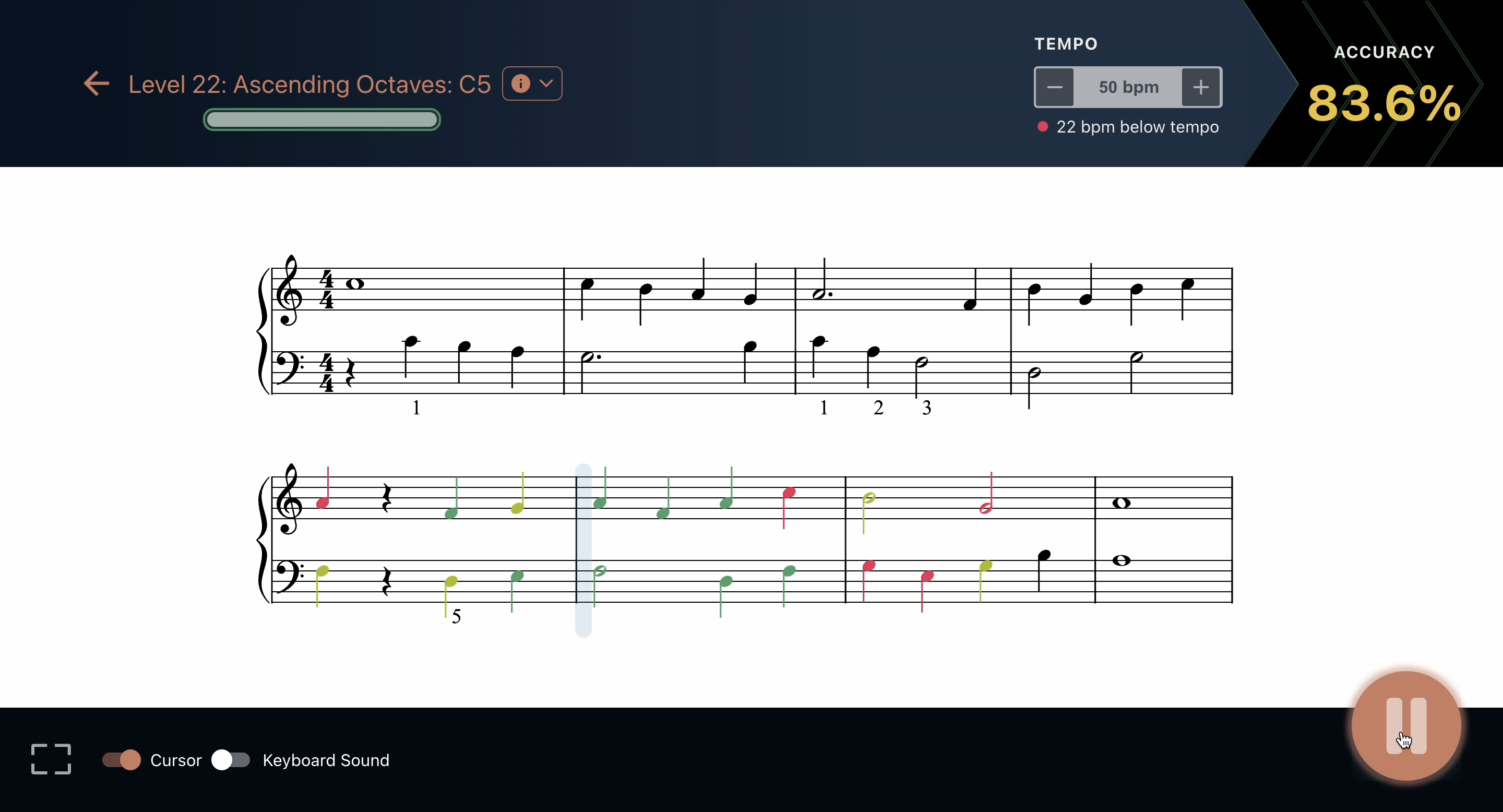
Luckily we live in a time where a software can create AI-powered music. The app can generate endless hours of new music tailored to your skill level. You must know how boring it is to play the same song over and over again? This adaptive music keeps your practice sessions fresh & exciting, which helps you to explore different styles & techniques.
This feature is particularly beneficial for adults, as it allows you to experience a wide range of musical genres and pieces. You can experiment with different styles, from classical to jazz to pop, keeping your practice sessions diverse and interesting!
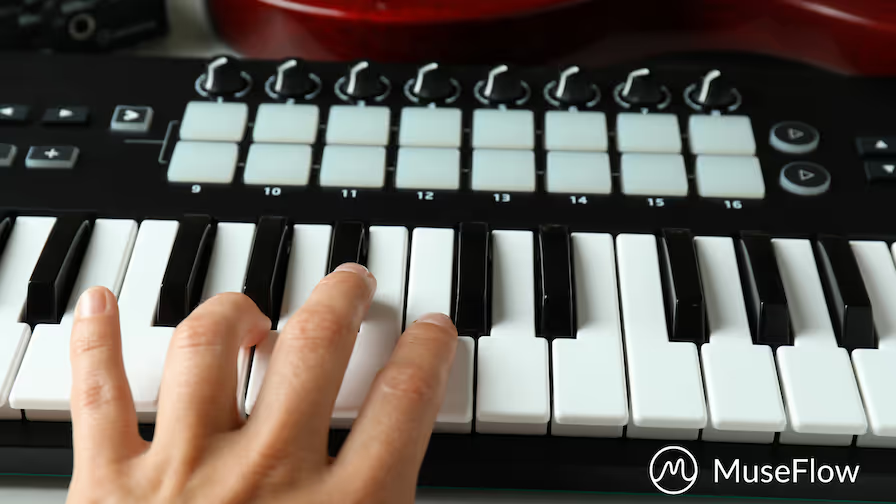
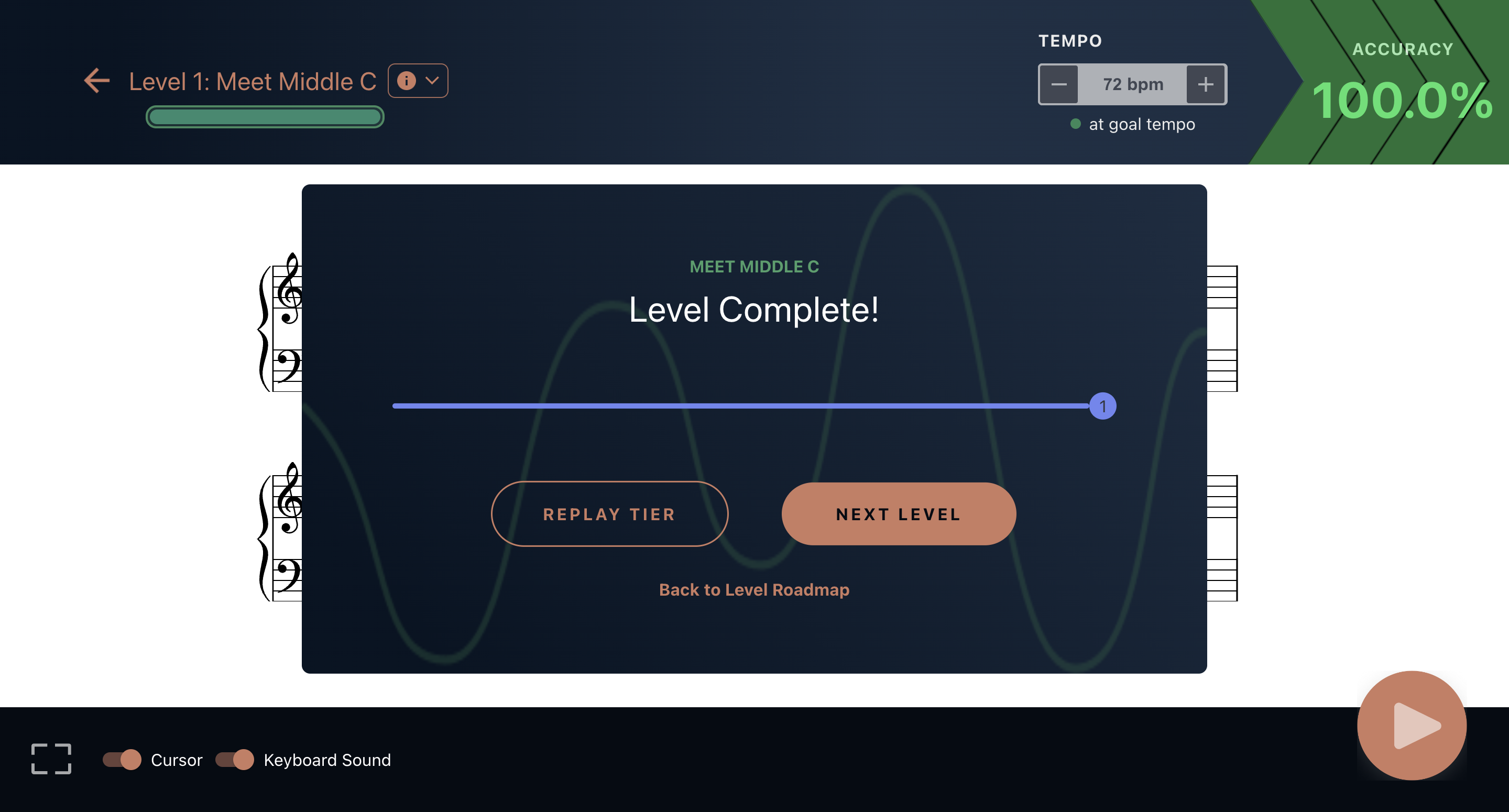
Keeping track of your progress is crucial for staying motivated. It's also important to track progress to get better at anything that you do. MuseFlow offers detailed progress tracking & achievements. This helps adults and grown-ups to monitor their improvement. You can see how much you’ve advanced over time, which areas need more work, and what milestones you’ve achieved. Sometimes just looking at these small wins, will make it so much easier to keep going. This makes it such a great online piano lessons for beginners.
The app’s progress reports provide very interesting insights into your own unique practice performance. It really allows you to make informed decisions about your learning journey. Make sure to always celebrate your successes and see how far you’ve come!
Learning piano as an adult doesn’t have to be a frustrating task. It can be really fun & rewarding! With MuseFlow, you have access to a very personalized, engaging, and flexible learning experience! One that fits into your busy life. The app’s real-time feedback, gamified elements, and adaptive music generation make learning so much more fun and effective. Also, the complete curriculum and progress tracking make sure that you’re always moving forward in the right direction.
So, if you’re looking for the best way to learn piano as an adult, give MuseFlow a try today, just click the banner below!
Learning to play the piano is a very rewarding journey - but as you might know it often comes with its fair share of challenges. All the traditional methods can be boring and repetitive. This leads to many new pianists feeling frustrated and unmotivated. That's were MuseFlow comes in, really the best piano teaching app that is currently transforming the way people learn piano. MuseFlow is built with the newest technology to provide a fun, efficient, and super personalized learning experience. Read on to find out why exactly MuseFlow is the best piano teaching app available today!

Try Museflow right now for free!
The AI startup with its headquarters in Los Angeles, stands out with their piano teaching application with their advanced AI that personalizes the learning experience. The app uniquely tailors each lesson to your personal skill level. So that the content is neither too easy but also not too difficult. As you keep getting better, the AI continually adapts to your improvements. This presents you with new challenges that are just right for your current level. This personalized new approach to learning keeps you engaged & motivated, making learning more efficient and enjoyable... that's why so many users keep saying that it's the best piano lessons app they have ever experienced. It's important to add that the founders of the technology all come from the music industry, so their input makes the app so great.
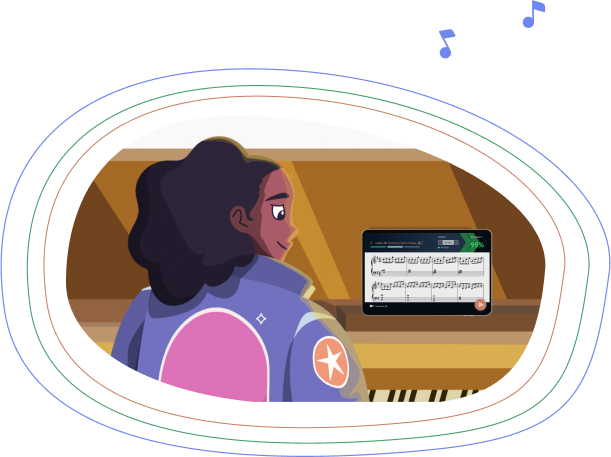
One of the great advantages of using MuseFlow is the real-time feedback system that they have in place. As you play, the app listens to your performance and provides immediate feedback on your accuracy & technique... This instant response helps you correct mistakes on the spot. It then reinforces good habits and prevents bad ones from happening, before it's too late. It’s like having a personal piano tutor available 24/7, that is patience and guiding you every step of the way. How amazing is that?

Learning piano with this innovative app feels more like playing a game than attending a traditional music lesson. Those traditional lessons can be boring and uninspiring. The app has gamified elements such as progress bars, accuracy trackers, and rewarding milestones to keep you going! This new gamified approach transforms practice sessions into fun and exciting challenges... making it easier to stay committed to your personal learning journey! The fun aspect of the app is particularly appealing for younger learners, helping to maintain their interest and enthusiasm. Like anything in life, if it's fun, then you usually like doing it, and the same for the opposite.
One of the most innovative features of the piano learning software is its AI-powered music generation. Yes you heard that right. The app can generate an endless stream of new music tailored to your skill level. Again, this is to make sure you don't get bored with repetitive same exercises. This adaptive sheet music keeps your practice sessions fresh & exciting, and encourages you to explore different styles. It’s a really amazing way to broaden your musical horizons.

The AI software offers a structured but unique curriculum that guides you through all levels of difficulty. Whether you’re a complete rookie trying to just learn the piano or an intermediate player looking to improve your skills, the app has a clear roadmap for YOU. You can start with basic exercises and then gradually work your way up to more complex pieces... it helps you build a strong base before going into the harder stuff. This step-by-step approach makes learning less more manageable and fun!
MuseFlow helps you stay on track. Your learning goals are tracked by progress reports and practice reminders. You can easily see how much you’ve improved over time. It shows you which areas need more work, and what milestones you’ve achieved... The app’s progress tracking feature is a really great motivator! It lets you celebrate your accomplishments & stay focused on your objectives... Additionally, practice reminders are there to maintain a consistent practice routine, which is really important for you to get great!

MuseFlow also offers a free trial for anyone to really test if the app is made for them. The app provides access to a wealth of free content, including tutorials, exercises, and music pieces. This means you can really start learning without any upfront cost... making it an accessible option for everyone. The free features are designed to give you a taste of the full experience. This allows you to explore the app’s capabilities and see how it can benefit your piano learning journey.
As mentioned above, this new piano teaching app is the best piano teaching app because it combines advanced technology with a user-friendly and engaging learning experience. Here a quick recap of all the important things that make it the best in 2026!
If you're looking for the best piano teaching app to elevate your piano playing skills, then you have found it! Look no further than MuseFlow... With so many bad apps available, finding the right one can be tough. This new AI based app stands out as the best new software for pianists. Have a quick look at these 4 great reasons why its the best piano teaching app for you:

Try the 7-day free trial right now.
MuseFlow uses advanced AI technology to offer a real personalized learning experience. This is a must for any app in 2026. Unlike traditional piano lessons that follow a rigid complicated curriculum, this new technology adapts to your individual progress & learning style. This AI-driven personalization makes sure that each lesson is tailored to your current skill level... This provides just the right amount of challenge to keep you engaged without feeling overwhelmed. Because feeling overwhelmed will make you feel frustrated very soon after!
The app tracks your performance in real-time. It analyzes your strengths & identifying areas that need improvement. This intelligent feedback system helps you make steady progress. It also makes sure that you're always working on the skills that will most benefit your own unique development. By customizing each lesson to fit your needs, MuseFlow makes learning piano more fun & enjoyable than ever before!
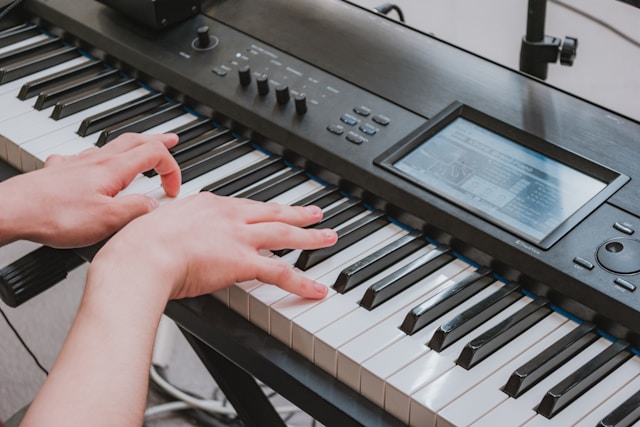
MuseFlow turns piano learning into an engaging and interactive game. Just like your favorite video games that you can't stop playing. They do it through the innovative use of gamification. Have you heard of that? The piano app integrates gamification deeply into the learning process... Each new rhythm and note you learn is treated as a level you need to pass. So practice feels like a series of fun challenges. This works better than a frustrated teacher telling you what to do.
The app provides immediate feedback on your accuracy & tempo, with color-coded notes and a scoring system that makes each practice session really exciting. By transforming the learning process into a game, MuseFlow keeps you motivated and happy. The goal of this is to make you stick with your practice routine and it's easier than ever and more fun than ever to learn to play piano with AI. They know how easy it is to fall of your routine. This approach makes the question, "Is there a fun piano teaching app?" easy to answer with MuseFlow.
One of many standout features of MuseFlow is its smart and user-friendly design. What does that mean? Well, the app is designed to be both visually appealing and functional. This really creates an optimal learning environment. The intuitive layout makes it easy to navigate through your lessons, practice sessions, and progress tracking. The way it should be done.
The design philosophy of the California based app is focuses on making the learning experience as seamless and enjoyable as possible! The new app uses carefully chosen colors and a clean interface to help maintain your focus on playing, without unnecessary distractions. This thoughtful design enhances your ability to learn and enjoy the process, setting MuseFlow apart from other piano teaching apps. You can see it in more detail below and on the product page.
MuseFlow offers a generous 7-day free trial. This allows you to explore its features without any financial commitment. Try it first and see if you love it. This trial period is perfect for anyone looking for a free piano teaching app to get started with. During the trial, you can access various lessons and interactive tutorials that provide a strong foundation in piano basics and you can get familiar with how it works.
A really great way to experience the app's unique approach & see real progress.. in a short amount of time. The trial also answers the question, "Are there free online piano lessons for beginners?" with a confident yes. By offering this above mentioned no-cost entry point, MuseFlow makes high-quality piano education accessible to EVERYONE.

For anyone that is seeking the best piano teaching app, we're happy to say that MuseFlow is the best app! Its AI-driven personalized learning, engaging gamification, smart design, and free trial features make it the best choice for you. MuseFlow’s innovative approach to piano education ensures that students not only learn the fundamentals but also enjoy the process, keeping them motivated and excited to progress. It's like a video game that you keep wanting to get better at, the best part is while you advance you learn how to play the piano.
Do you want to learn piano but you're not sure where to start? That's ok, most people in the beginning feel this way. Finding the right method can be an overwhelming and hard decision. If you're looking for the best and most engaging online piano lessons for beginners, MuseFlow is the perfect solution. We listed 4 quick reasons why the new app stands out as the best software to start your piano journey.
Try the 7-day free trial right now!
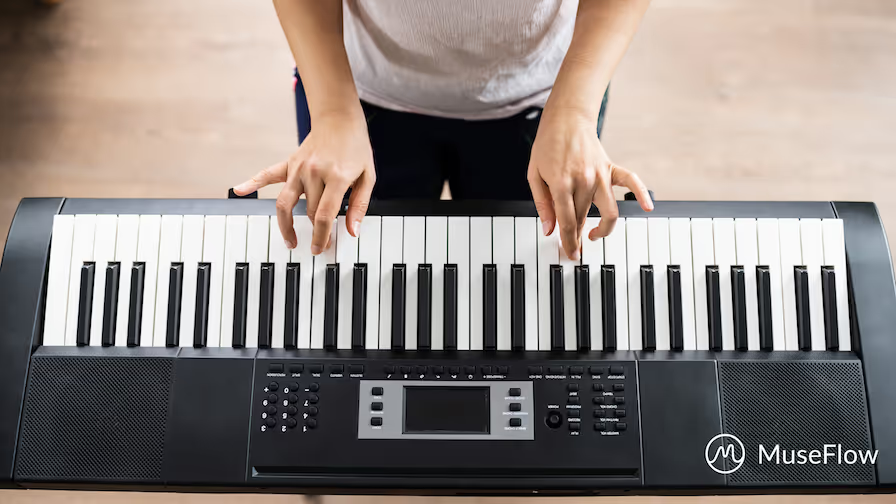
MuseFlow’s unique approach to learning is purposely made to help you achieve a flow state—an optimal psychological state for learning. You have probably been there before, where you're fully immersed in an activity - and you even lose track of time... Achieving flow state is crucial for making learning both enjoyable & efficient. MuseFlow, Inc., The software company based out of California, has created an app that tailors each lesson to your skill level. This is to make sure that the material is challenging enough to keep you engaged BUT not so difficult that you become frustrated. This is really important for you to want to keep learning!
This balance is essential for beginners like you, who might otherwise feel overwhelmed. By keeping you in the flow state, MuseFlow makes practicing piano a really delightful experience. This in turn promotes consistency & faster learning. The app’s intelligent design adjusts to your progress, helping you stay in the zone (flow) and making your practice sessions both more productive and more fun.
Another one of the key strengths of the innovative software is its team of founders. They all come from rich musical backgrounds. This is important, because the app is designed with a deep understanding of music education and the challenges beginners face.
You can easily tell that their collective expertise makes sure that MuseFlow is not just another generic learning app but a comprehensive and well-thought-out tool specifically designed to help beginners learn piano.

A major advantage of MuseFlow is its accessibility. MuseFlow offers a 7-day free trial. This allows beginners to explore the app and experience its benefits without any financial commitment. This trial period is perfect for those who are just starting and want to test different learning methods. The reason for the free trial is, the team feels so confident you will love it!!
During the free trial, users can access various levels and tutorials. These provide a solid foundation in piano basics. This feature answers the question, "Are there online piano lessons for beginners?" with a definite YES. It's an excellent way for newcomers to get a feel for the app’s unique approach and see tangible progress in a short amount of time. It's really the most fun way to play piano!
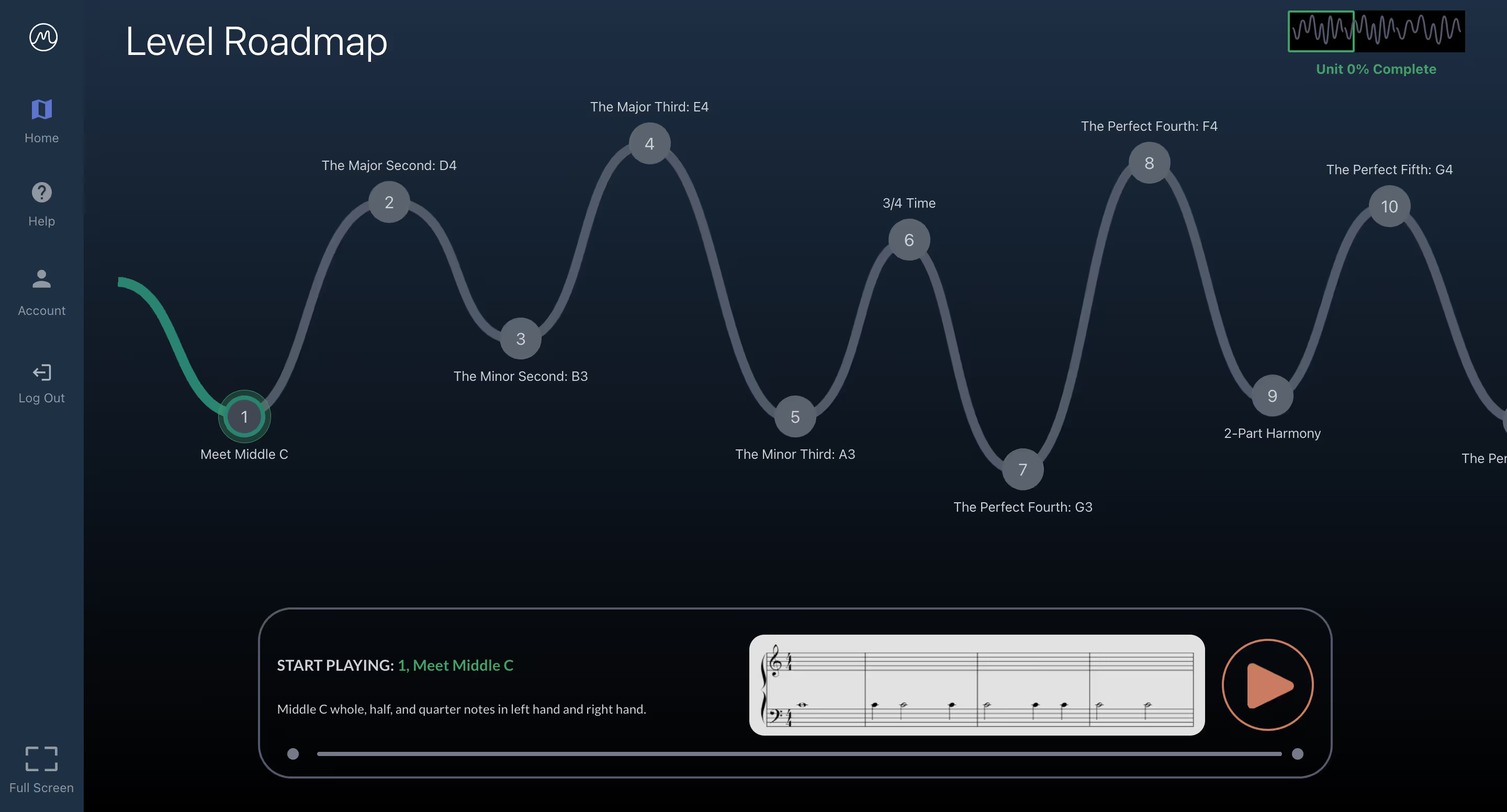
The piano software for beginners, provides a comprehensive suite of learning tools that go further than traditional methods that you might have tried... Each lesson is accompanied by quick, engaging, interactive tutorials to ensure that beginners understand the necessary concepts & techniques before diving in. Real-time feedback is important. And it's done by advanced pattern recognition algorithms helps users identify and correct mistakes instantly. Of course, this is crucial for effective learning.
The app also features a gamified learning experience, turning each lesson into a fun and interactive game. Just like when you play a video game. By earning points and progressing through levels, students always say that they stay motivated & excited about their learning journey. This innovative new approach for beginners to learn piano makes the often tedious process of practicing piano a lot more rewarding.
Additionally, MuseFlow is continuously expanding its features. This is all done based on users feedback, so it keeps getting better and better with your input as the fuel! Future updates will include advanced curriculum options, enhanced practice modes for ear training, chord and scale exercises, and rhythm drills. A new repertoire library & a music theory section with personalized exercises will further make the learning experience the best out there. The goal is for students to develop a well-rounded skill set and be able to play the songs that they want to play. Anyone should be able to go to a piano and play their song of choice, an indescribable amazing feeling. With these amazing tools, it's by far the best piano learning app.

As discussed above, anyone that is searching for the best online piano lessons for beginners, MuseFlow is the top choice. Its unique ability to help learners achieve a flow state and the expertise of its music-savvy founders make it different from any other app. Additionally, the accessibility of free online piano lessons for beginners, and its comprehensive learning tools make it stand out!
MuseFlow’s new innovative approach to piano education really makes sure that beginners not only learn the fundamentals but also enjoy the process, keeping them motivated and eager to progress. The best software for online piano lessons for beginners...
Are you curious about how to learn to play piano with AI? Then you're at the right spot! Technology is revolutionizing education, especially in 2026... and piano learning is no exception. MuseFlow is currently the best, offering a new innovative app that makes learning piano fun, efficient, and personalized. Check out these 4 reasons why this new app is the best to help you learn to play piano with AI!
People who are learning how to play piano LOVE MuseFlow. One of the main reasons why is the AI-driven personalization. This is amazing because it makes sure that your learning experience is tailored specifically to your unique needs. As you might know, traditional piano lessons follow a generic (and often boring) approach. The piano AI app uses advanced algorithms to analyze your progress and adjust the difficulty level accordingly. This means that whether you're a beginner struggling with basic notes or an advanced player refining complex pieces, the software adapts to keep you challenged but NOT overwhelmed. This keeps the learning experience fun and not frustrating.
This personalized should answer the question "Is there a way to learn to play piano with AI?" with a strong YES. The AI monitors your playing style, identifies areas for improvement, and provides custom exercises to help you progress faster than with conventional methods. This level of customization makes learning a lot faster and also more enjoyable.

One of the most important aspects of a successful learning app is its design, yes it's that important! MuseFlow excels in this area with its immersive and user-friendly interface... The app's design is both visually appealing & functional. This provides a pleasant learning environment that keeps distractions away. The intuitive layout makes it easy to navigate through lessons, practice sessions, and progress tracking. The goal is to get you into that beautiful flow state where learning becomes very easy.
The great design philosophy really makes sure that the learning experience is seamless & enjoyable. If you pay close attention, you will see that the colors are thoughtfully chosen. The clean user-interface helps maintain your focus on playing, allowing you to fully immerse yourself in the music. This exact attention to detail in the design increases your ability to learn and enjoy the process. No other apps on the market, makes learning piano with AI so easy! Just look at the screenshot below.
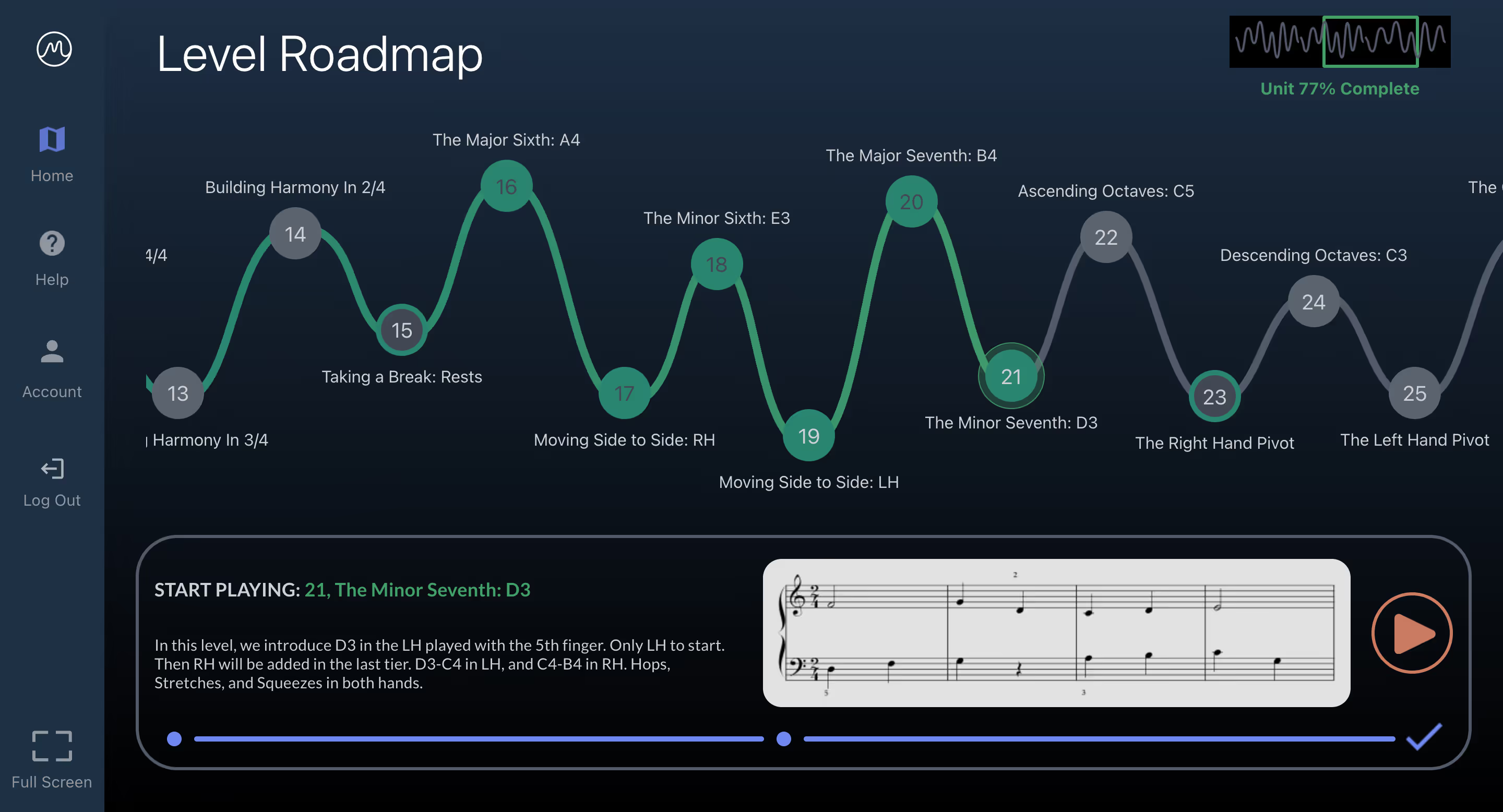
The Los Angeles based engineering team made learning piano into an engaging and interactive game. They integrate gamification deeply into the learning process. Each new rhythm and note is a level you need to pass, and your performance is tracked in real-time with color-coded notes and a scoring system. Just how you want to keep playing a video game is how you want to keep playing the piano.
Another great feature is that the software gives immediate feedback on accuracy and tempo. This turns practice sessions into a fun challenge. This approach also keeps you motivated and eager to improve. and this makes it easier to stick with your practice routine. By making the learning process feel like a game, the AI tech answers the works better than a traditional piano teacher. That's why so many users call MuseFlow the best piano learning app.
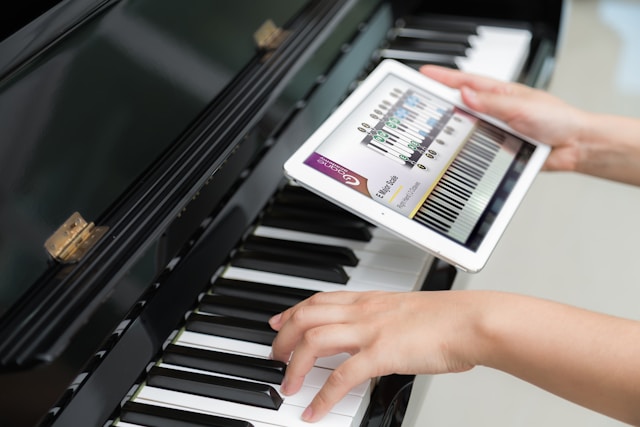
MuseFlow offers a wide range of tools & features to support your piano learning journey. The app provides quick tutorials before each level, ensuring you understand the key concepts and techniques needed to succeed. Real-time feedback with pattern recognition algorithms. This helps you identify and correct mistakes instantly, allowing you to improve quicker that traditional lessons!
Moreover, MuseFlow is continually expanding its features to provide even more value... Planned updates include advanced curriculum options, AI-driven pattern recognition for even deeper personal insights, and new practice modes for ear training. These comprehensive tools support your journey and make sure that you develop a well-rounded skill set - from technical proficiency to musical understanding.
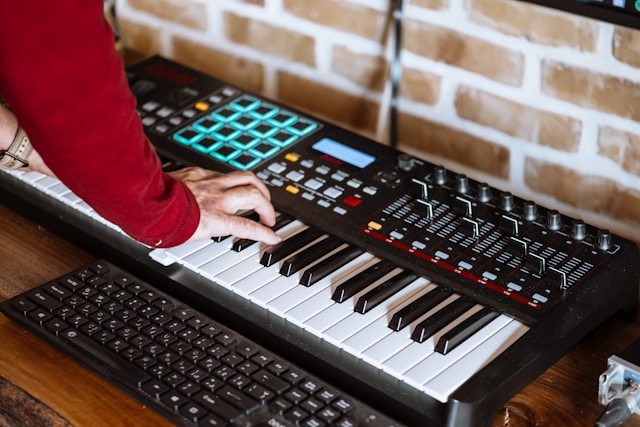
In conclusion, if you're wondering how to learn to play piano with AI, MuseFlow is the best app on the market. As mentioned above, its AI-driven personalization, engaging gamification, immersive design, and comprehensive learning tools create the best possible learning experience in 2026. MuseFlow makes learning piano not just effective but also really really fun and enjoyable. We promise it will keep you motivated and accelerate progress quickly.
Are you looking to learn piano in a fun, engaging, and effective way? Then you have found the perfect solution! In 2026, the best piano learning app is MuseFlow. This innovative app combines technology with a very deep understanding of musical education like no other. Below are 5 quick reasons why MuseFlow is the best software for learning piano this year.
Try MuseFlow for Free Right Now
The California based company stands out due to its interest in adding in AI-personalization to your music education. MuseFlow will soon be able to tailor each lesson to your specific skill level. Currently you can choose where to start in MuseFlow, but later it will place you, and adjust the music dynamically to how you are playing.
Traditional piano lessons often follow a one-size-fits-all approach, which can often leave students feeling frustrated or bored. The team at MuseFlow is currently building and training sophisticated algorithms that will continuously adapt to your unique progress. Whether you’re just a beginner or an advanced player, the technology will make sure that each lesson is perfectly suited to your current abilities. This will keep you challenged and engaged, and also won't leave you frustrated.
One of the most unique aspects of MuseFlow is its gamified learning experience. The piano app transforms the process of learning piano into a fun game! This means each new rhythm and note you learn is a level you need to pass. Unlike other outdated apps that rely on superficial stars and badges, here the gamification is deeply integrated into its teaching method. This could not be done by a human teaching you piano lessons... Every note you play counts towards your overall score - with real-time feedback that shows your accuracy and tempo. This new engaging approach makes practice sessions feel like a lot of fun & like a rewarding challenge rather than an annoying chore!
Learning an instrument should be an enjoyable experience. MuseFlow's design really reflects that. The app has an immersive &visually appealing interface that makes practicing a pleasure and fun. Unlike other apps with outdated and often complex designs, the best piano app on the market has an interface that is both beautiful and user-friendly. The carefully curated colors, icons, and layout are designed to be easy on the eyes. This is actually really important to staying on the app and enjoying to learn to play piano!! It allows you to focus on your playing without distractions. This attention to detail in the design enhances the overall learning experience, making it more enjoyable for you..just look at the screenshot below.
MuseFlow prioritizes sight reading. This is a crucial skill for any pianist. Sight reading is the ability to read & play music at first sight - representing the "floor" of your musical ability. Many traditional teaching methods focus heavily on the "ceiling" of a student's ability - what they can achieve with extensive practice. This AI Piano learning app emphasizes improving your sight reading skills. It really allows you to reach true musical fluency faster. By mastering sight reading, you can quickly progress to playing songs with greater musicality & expression. It makes the learning process more enjoyable and less frustrating...
Another great bonus of the software is that is has an innovative way to generate an infinite amount of new music at YOUR level. This means you will always have fresh material to practice, ensuring that your skills continue to improve without the monotony of repeating the same exercises. This is huge, because all other apps only have the same material you can practice.
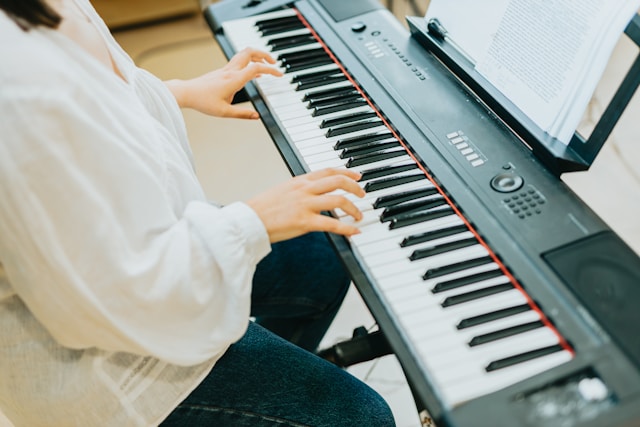
This new app is not just about playing notes, it offers a comprehensive suite of tools to enhance your musical education. What does that mean? Well, the app includes tutorials before each level to really make sure that you understand the key concepts & techniques. Real-time feedback from pattern recognition algorithms helps you identify and correct mistakes instantly. This helps you learn faster. Moreover, MuseFlow is continuously expanding its features, with plans to introduce advanced curriculum options, AI pattern recognition for deeper insights, and new practice modes for ear training, chord and scale exercises, and rhythm drills.
The software will soon feature a repertoire library where you can apply your sight reading skills to your favorite songs, and a music theory section with personalized exercises to expand your knowledge.
.png)
In 2026, MuseFlow is the best piano learning app available for many reasons! It offers you a chance to join a product that is focused on building the perfect AI-driven personalization algorithms for music education, currently has smart gamified learning, immersive design, helps you focus on sight reading, and offers comprehensive learning analytics to guarantee enjoyment and success. By combining (and currently building) these unique elements, the app provides you with a fun, engaging, and highly effective way to learn piano. The best part is, whether you’re a beginner looking to start your musical journey or an experienced player trying to refine your skills, MuseFlow is your best friend to help you achieve your musical goals.
Let’s explore what it means to find the joy in learning a new instrument, and ask ourselves is there a fun way to learn piano? We’ll talk about what it looks like to have fun while you learn an instrument, and explore some options to enhance the process for any student.
If you’re interested in trying out our piano education app for yourself, please visit beta.museflow.ai and try MuseFlow for free! Otherwise, continue reading to find out what it’s all about.

Flow state is a radical idea coined by the Sociologist and Author Mihaly Csikszentmihalyi. It’s that groove you get into where you're doing a task and you lose track of time. The task is usually just a bit of a challenge, but not too challenging that you feel overwhelmed by the task; just hard enough to keep you moving forward and easy enough to know you’re doing well. A lot of professional athletes and musicians find flow in their work, but we at MuseFlow believe we can also tap into it during the learning process. Even for beginners!

Gamification is the application of game-like elements to anything from teaching and learning, to motivating yourself to to the dishes. The old world way of adding game-like elements to an activity involves points and score cards, badges and stars. At MuseFlow, we’ve changed it up a bit by making the entire activity of learning how to play piano a game; not with superficial stars and badges, but by making each new rhythm and note you learn a level that you need to pass.

Once you’ve completed 4 phrases at 95% accuracy at the goal tempo of the level, you pass that level! And are moved onto the next.
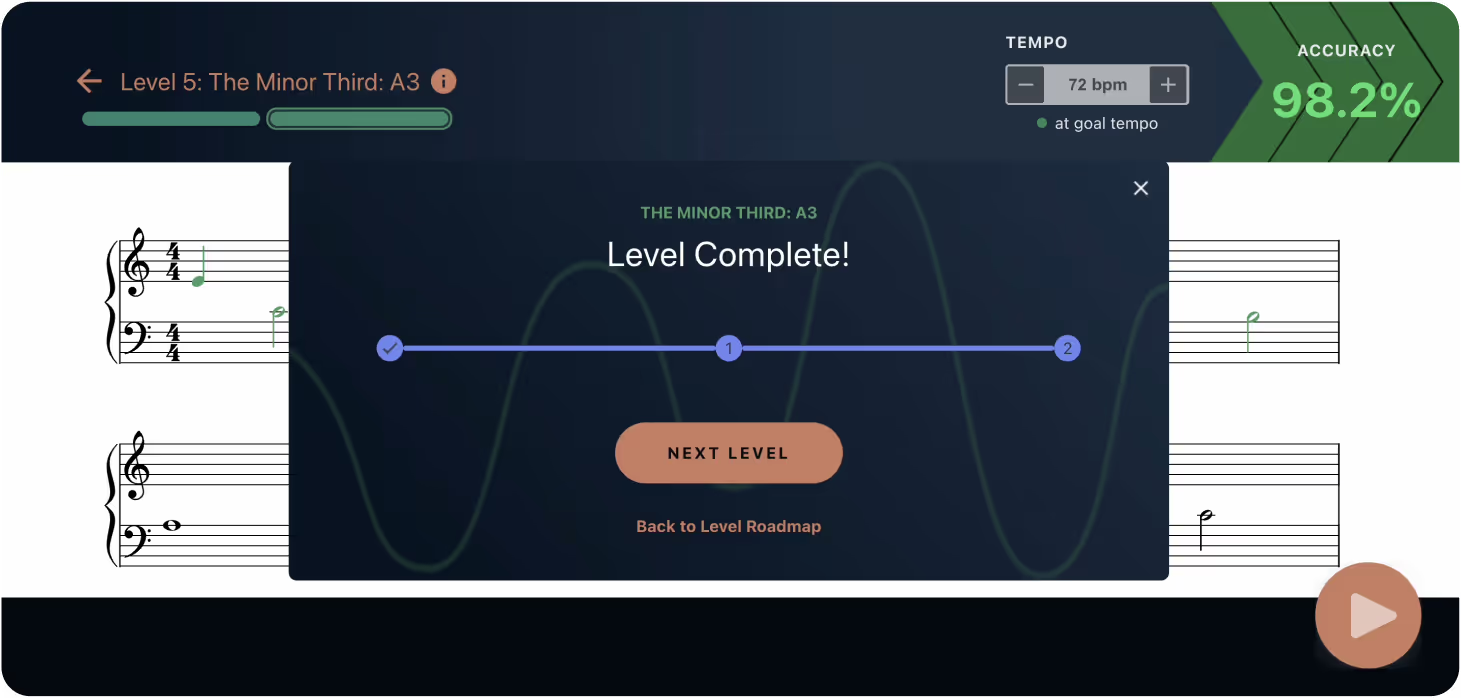
This creates an entirely new and fun way to learn piano; not with superficial badges and stars, but by having gamification at the core of the entire method.
Not a lot of people think about this, but design is incredibly important in making the learning process a success. A stark, boring, bright environment, we’ve found, is not the optimal setting to learn music. Because of that, we’ve made our interface beautiful.
We care deeply about the experience our users go through while exploring and learning with MuseFlow. Thus, we’ve made it a tenant of ours to make everything in MuseFlow as beautiful as possible.
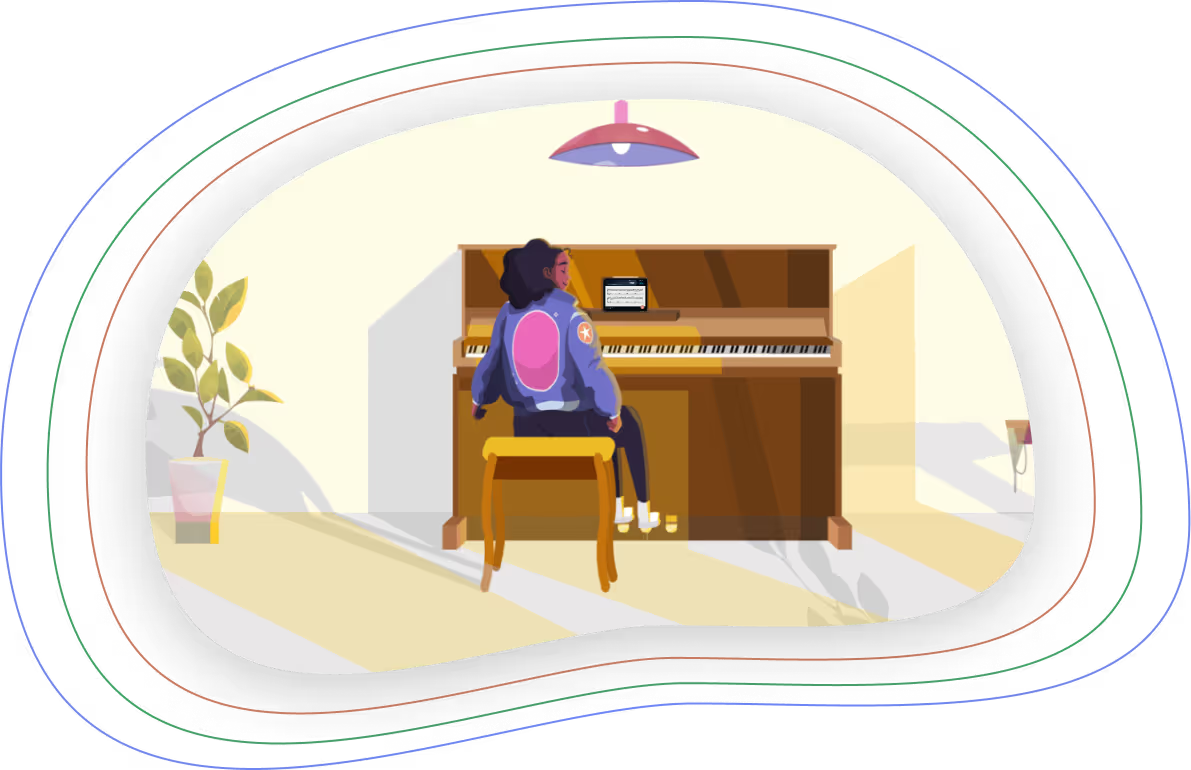
Sight reading is the act of reading music at first sight. There are two thresholds in music education - one is what you can play without any practice, the other is what you can play with an indefinite amount of practice. We call the first one the “floor” of your ability, and the second one the “ceiling” of your ability.
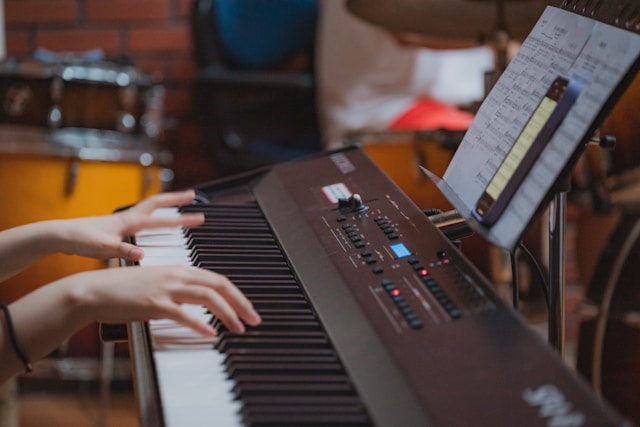
Too many teachers and music education methods focus on the ceiling of a student's ability. We at MuseFlow, instead, think a more fun way to learn piano is by focusing on the floor of a student's ability during lessons. Increasing a student's sight reading skill gets them to perfecting the musicality of songs (the fun part of playing songs) faster, instead of spending hours and hours on the technique of simply being able to play the song. That gets boring quickly. It gets frustrating, and students drop out of music lessons because of it.
About 50% of music students drop out of music activities by the time they turn 17. We aim to make that number much smaller.
There hasn’t ever been a way to generate an infinite amount of music at your level of playing until now. We at MuseFlow have invented a way to give you music you’ve never seen before, that never repeats, and is at your level. The music continues to generate until you get 4 phrases of music at 95% accuracy. At that point, you’ve successfully mastered that new skill!
Sight reading is the key here. We’re teaching through sight reading, instead of teaching through songs. After you’ve mastered that new skill through sight reading, you then can apply that skill to songs that get unlocked in your repertoire section inside of MuseFlow.
These are the reasons why MuseFlow is quickly becoming the most fun way to learn piano. Its inventive way of blending sight reading, flow state, gamification, and immersive design allows students to find the joy of learning an instrument better than ever before. With our new approach to music education, we can revolutionize the music education industry for the better.
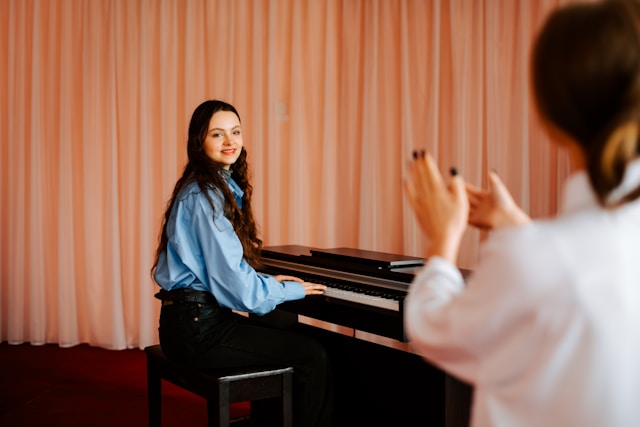
Try it out for free at beta.museflow.ai. We can’t wait to hear your feedback as we make music education available and engaging to all students!

Keep up to date on our progress as we continue to add new features!