.svg)
You can’t think about certain video games without also thinking about their iconic music. But the songs you hear while you’re “crushing turts” do more than just entertain your ears. They’re a crucial part of the storytelling, and not a single level you’ve ever played would be the same without it.
We here at MuseFlow love to explore the ways that music intersects with our daily life. We’ve looked at The Best TV Pianists and The Best Movies About Playing Piano, and now we’re diving into music’s role in video game narratives.

Setting the Tone with a Good Theme
Koji Kondo, the legendary composer behind Super Mario Bros. and The Legend of Zelda, said in an interview, “Music is very powerful when it comes to creating an atmosphere for games, and fueling the rise and fall of emotions. It is a vital element for creating an enjoyable game.”
A good theme immediately tells us so much about the tone, style, and intensity of the game we’re about to play. Kondo’s main theme from The Legend of Zelda feels regal and uplifting, preparing us for a grand fantasy adventure. His Super Mario Bros. theme was inspired by dance music to match the movements of the game. The theme from Stardew Valley opens with a soft flute that puts us in the cozy game mindset.
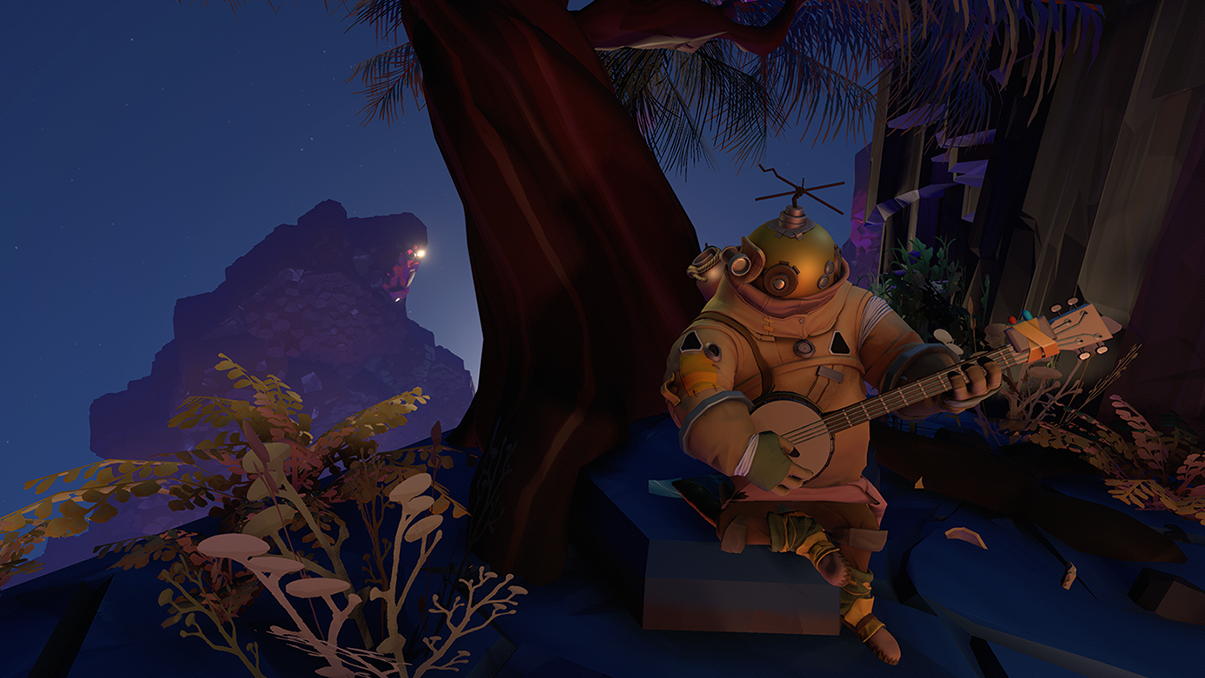
Sometimes a theme that goes against genre expectations can reveal interesting truths about its game. The Last of Us’ downtrodden, twangy theme creates a feeling of forlorn Americana that matches the game’s experience of an apocalyptic road trip and tells you that this won’t be your typical zombie game. And when you sit down to play space exploration game Outer Wilds, you’re met with a surprisingly folksy theme that utilizes the banjo, guitar, and harmonica, evoking the game’s feeling of a “backpacking adventure through space” and the thoughtful introspection that it inspires.
Clearly Distinguishing Levels
Music is also a huge part of immersing you in a game’s setting. Koji Kondo used music to contrast between levels, helping the player to always know where they are throughout a game. Think about Hyrule’s bright overworld music compared to its dark, ominous dungeon theme. The music is an auditory marker of the setting, complementing and adding upon the visual information the player is receiving.
In more modern open world games without the traditional levels of early platformers, music can still inform you of a change in location. In Breath of the Wild, each region has its own distinct music that immediately informs you about the new setting and the characters you’re going to encounter. Consider the use of the tuba for the big, slow-moving Gorans of Goran City vs. the soft, magical harp and piano sounds of the Great Fairy.
Outer Wilds composer Andrew Prahlow used a “homey sound for Timber Hearth…a unique piano sound for the Nomai, and synths for the Quantum areas of the game.” When you take off into space, you can even hear the banjo sounds of your home planet music slowly get replaced by soft exploratory electronic/piano music. It feels like the music is on the exact same journey you are!

Immediate In-Game Emotional Feedback
Video game composers use psychological principles to create emotional feedback loops with their music. Think about every time Link opens a treasure chest. There’s an emotional build up that creates suspense, followed by a celebratory release when he pulls out the new item.
As this article explains, music can be used along with other audio feedback to create a system of “rewards and consequences” to tell players “how their actions are interpreted—and how they should feel about them.” Victorious music that plays when you discover or achieve something can provide a dopamine trigger and positive feedback loop, while the displeasing music when you lose something or die can have the opposite effect.
Music can match the intensity of a moment, helping to create a cognitive mapping of the world and its different threat levels. Open world games often switch to faster-paced music during a fight, and ominous music can be used to signal an imminent danger. There’s no sound more triggering to a millennial than the heart-pounding, cortisol-spiking drowning music in Sonic The Hedgehog.
While some music can make you feel a certain way about a particular setting or the game as a whole, reactionary music tells you how to feel about the actions you take and the actions befalling your character.
Conclusion
Music is a crucial part of creating a game’s setting, tone, and emotion…core components of its storytelling. Composers are storytellers just as much as the writers and programmers. Try playing a game without sound…it’s just not the same.
At MuseFlow, we understand the importance of blending music and games. That’s why we created a gamified piano learning program that offers:
- Incremental, hyper-specific levels that give you the perfect balance of skill and challenge.
- Real-time responses to your playing that encourage a steady Flow State, similar to the one you experience during a good gaming session.
- Indefinite sheet music that offers constant variety.
When discussing his compositions, Koji Kondo said, “I think that music also plays an important role in terms of having the game stay in your memory for a long time.”
I think that’s 100% right. How else could you explain why I haven’t been able to get this song from Sonic Adventure 2 out of my head since 2001?