AI
Curriculum
Flow State
News
The AI Piano App That Meets You Where You Are
March 7, 2026

As we speak, the technology of artificial intelligence is making shockwaves in nearly every element of our lives; from dating, to work, to pet care…it can be difficult to get a grip on what exactly it is, and how it can (or can’t) benefit us. We here at MuseFlow saw the potential in AI to revolutionize music education and we have done just that. Keep reading to read more about how AI is revolutionizing music education.
MuseFlow approaches AI as a tool to support our sight-reading first philosophy, so that you can not only play songs you love on our app, but at a party with friends, at a concert or in your living room with a four-legged audience - wherever your musical aspirations take you. AI analyzes your progress and playing style to generate constantly new, progressively structured music. We focus on sight reading to make you an independently proficient player.
MuseFlow is certainly not the first piano app; how many have you downloaded before being met with rote memorization, boring jazz standards and plunky exercises? We combine our expert pedagogical philosophy with a meticulously designed curriculum, supported by AI to implement our approach adapted uniquely to you.
So far we’ve discussed how AI plays a part in the sight reading first philosophy and our adaptive learning approach. That’s just a preview into not only how AI supports our state-of-the-art features, but how we aim to improve the way you study music. Let’s dig a bit deeper.

MuseFlow uses AI in its unique adaptive learning structure, incorporating AI’s capability to accommodate a diverse range of learning styles and tailor instructions to where a learner currently is, whether they’re a beginner or a teacher brushing up on your skills.
As an example: let’s say, as you’re practicing, you’re really struggling with d7 chords but you intuitively pick up complex rhythms. MuseFlow will note that and continuously give you music phrases with that chord included until you’ve mastered it. It’s smoothly incorporated into your individualized practice, all while giving you real-time feedback.
What makes this different from a static method book or a one-size-fits-all curriculum is that MuseFlow’s AI is always listening and learning alongside you. It doesn’t just track right and wrong notes, it recognizes patterns in your playing over time. Maybe you tend to rush through fast passages, or you consistently hesitate before a key change. MuseFlow picks up on those nuances and adjusts your practice material accordingly, creating a feedback loop that keeps you growing without overwhelming you.

When you reach a point where something is perfect for you - not too challenging and not too boring - this is called the flow state. Learning feels effortless and time flies by. Some major elements of achieving flow state are balance between skills and difficulty, immediate feedback, and intrinsic motivation.
We make it easy to track your progress as you go and maintain control of your education. Practice feels like play. And when practice feels like play, you actually do it, on your own terms. That consistency is what separates the students who stick with piano for life from those who quit after a few months.
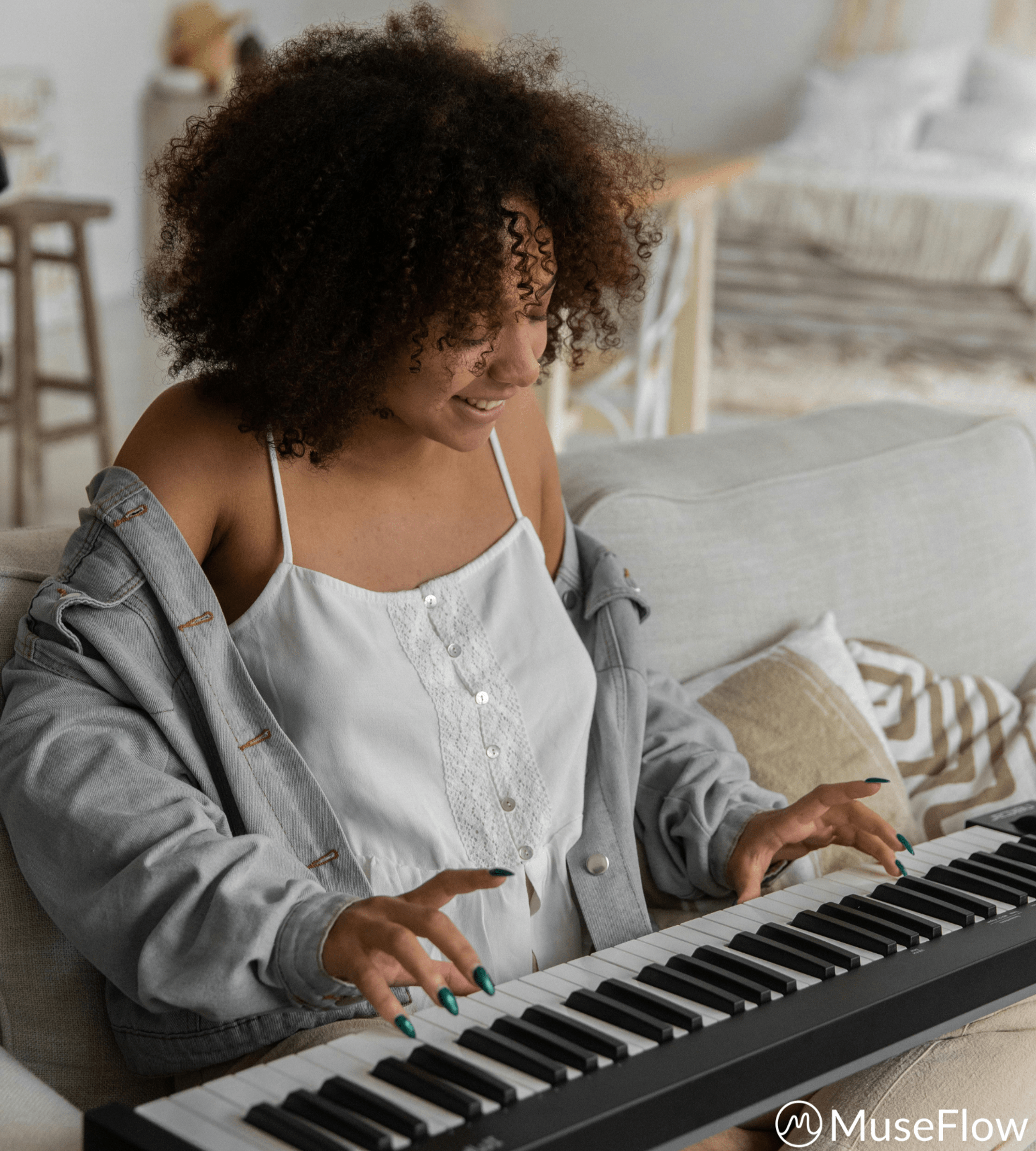
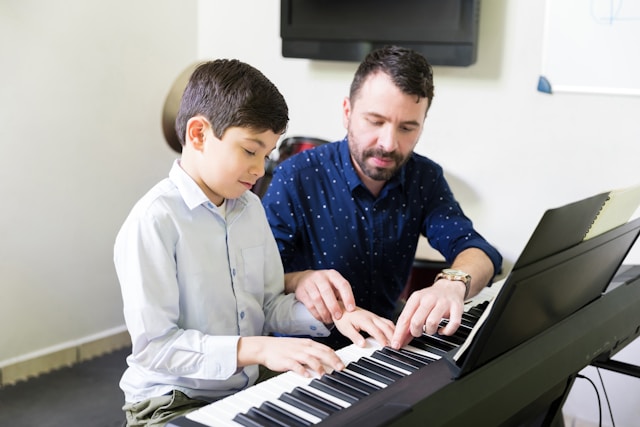
We prefer to think of MuseFlow as your personal AI tutor. We don’t believe the future of piano education is about replacing the very real human element in music education, but about building on a teacher's presence and giving students a leg up.
While MuseFlow handles the technical instruction, your teacher can carry you forward with the craft and musicianship. When you arrive at your lesson having already internalized the mechanics of a piece, your teacher is freed up to focus on the deeper artistry. Expression, dynamics, storytelling through music. That’s where the magic happens, and MuseFlow helps you get there faster.
We here at MuseFlow are passionate about music education and have worked hard to build an app that is not only revolutionary, unique, and effective, but one that honors the fun that inspired music learning in the first place. If you’re curious to see how AI can help your own journey, click below to try MuseFlow for free.

When you’re choosing a new instrument to learn, the choices can be daunting. There are literally thousands of instruments out there to choose from, but there’s nothing quite like the piano. That’s why we at MuseFlow offer a fun and effective way to learn this popular and enduring instrument. But what is it about the piano that makes it so important?
The piano is one of the most played instruments in the world. And a big part of that is its versatility across musical genres. The soothing classical music of Beethoven’s “Fur Elise.” The energetic jazz riffs of Duke Ellington’s “Take the ‘A’ Train.” The emotional modern pop bop of Chappell Roan’s “Pink Pony Club.” The piano is a core, foundational component of all of these musical genres, as well as many others (R&B, electronic, musical theater, film scores, Bossa Nova, and Tango to name a few). When you play each genre, you’re introduced to new tempos, melodies, and styles of play. The combinations and play styles are truly endless.
So when you’re learning the piano, you’re really opening yourself up to an entire world of music!
.avif)
Going along with its versatility, the piano is the perfect instrument for composers. That’s because you can play up to 12 notes at once, and it can act as a compression for entire orchestras, bands, and choirs. You can play the bass and rhythm with the left hand and melody and harmony with the right, with both hands operating at different registers, roles, and meters at the same time.
The piano is actually considered a percussion instrument that creates percussive, rhythmic, and immediate sounds when you press a key and the internal hammer strikes a string, or set of strings. But the sound created can also be a sustained pitch, which allows for lyrical, harmonic, and legato sounds. There’s no other instrument on Earth that can do all of this!
Before the invention of the piano, music composers needed access to entire ensembles to write songs. But since its invention, those ensembles have become available at composers’ fingertips. This makes composition more affordable and accessible. If you want to compose a song, all you need to begin is your piano!
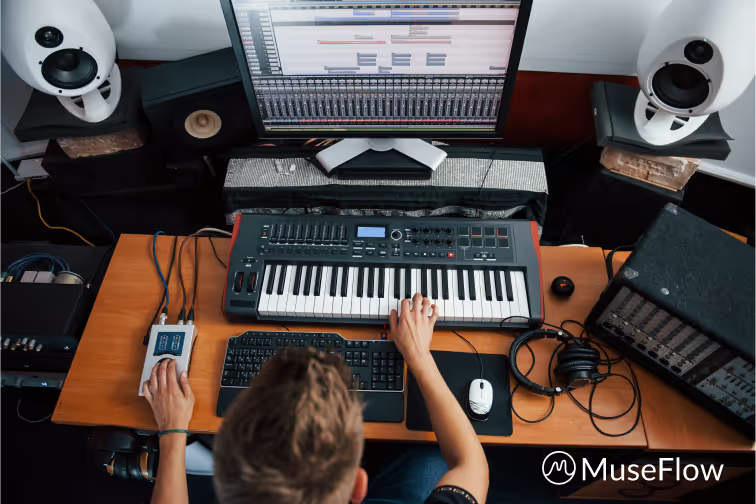
Learning the piano can be a fun way to challenge your brain. One study found that learning the piano can enhance your fine motor skills, since it’s an instrument that requires strong finger dexterity. The way your brain has to compute the sight reading and playing simultaneously can also activate two different parts of your brain at the same time.
It’s no surprise, then, that another study suggested that learning the piano can boost brain processing power. After just a few weeks of lessons, the participants’ ability to process multi-sensory information had improved. Amazingly enough, those participants also reported an enhanced mood, with less anxiety, stress, and depression!
So the next time you’re practicing the piano, you can know that you’re basically doing crunches with your brain.
The piano is powerful. A somber chord in a movie soundtrack can bring us to tears. A springy tune at a wedding reception can send everyone, including that one uncle who never dances, running to the dance floor. A new song can stop us in our tracks. A recognizable melody can immediately pull us back to the first time we heard it. There’s an emotional resonance that we get from the piano that’s hard to put into words. But we know it when we feel it.
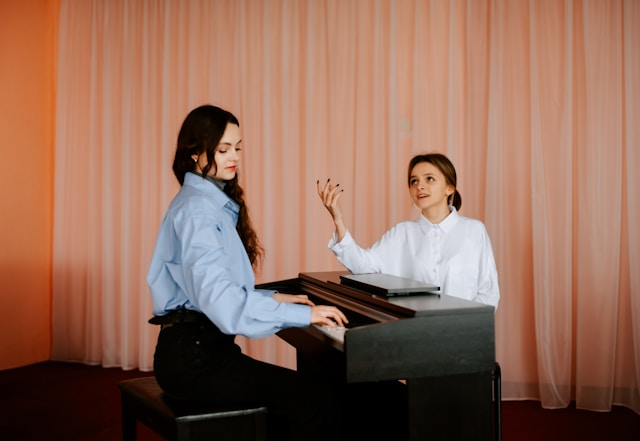
People have been playing this instrument since the 1700s. It’s been played for kings and queens. Its sound has filled massive stadiums of screaming fans as well as intimate living rooms with family and friends.
It’s an instrument unlike any other, able to stand in for just about any other instrument, even a full orchestra. You can play a limitless variety of music on those 88 keys. And since the piano doesn’t require size changes or “starter versions” like some other instruments, you can play a complex concerto on the same piano that you first learned “Ode to Joy” on.
The piano stands alone in its versatility, accessibility, and usefulness across musical genres. It’s a powerful and timeless instrument that has changed the worlds of music and composition forever. We’d say that makes it pretty darn important!

We here at MuseFlow know that there are as many different journeys to the piano bench as there are players - and just as many away from it, too. Below, we discuss the common reasons why people have trouble sticking with traditional music lessons and how the revolutionary app for learning piano MuseFlow challenges each one to help you learn to play, once and for all.
Traditionally, music is taught by a model of rote repetition with limited sight reading development. In fact, many other music apps teach you using this method. While it is entirely possible to learn this way, it takes much longer and can lead to burnout from boredom - especially in fast, intelligent learners. This can also lead to poor retention, slowing progress.
MuseFlow’s ingenious gamified interface makes learning feel like play, introducing music that never repeats to keep your brain engaged. Our adaptive learning adjusts to your skill level, allowing you to get into a Flow State while learning, promoting deep understanding in the quickest, most fun way possible. Studies show that fun is one of the most important factors for sticking with learning music.
The average music lesson in the United States in 2026 ranged from $280-$400 per month, not including access to music rooms throughout the week or purchasing books.
MuseFlow is a much more accessible piano learning option at $24.99 a month - including a free 14-day trial.

Especially if you initially played as a child, shifting priorities as we get older splits our focus and our time. Many little virtuosos had to choose between music and other extracurriculars.
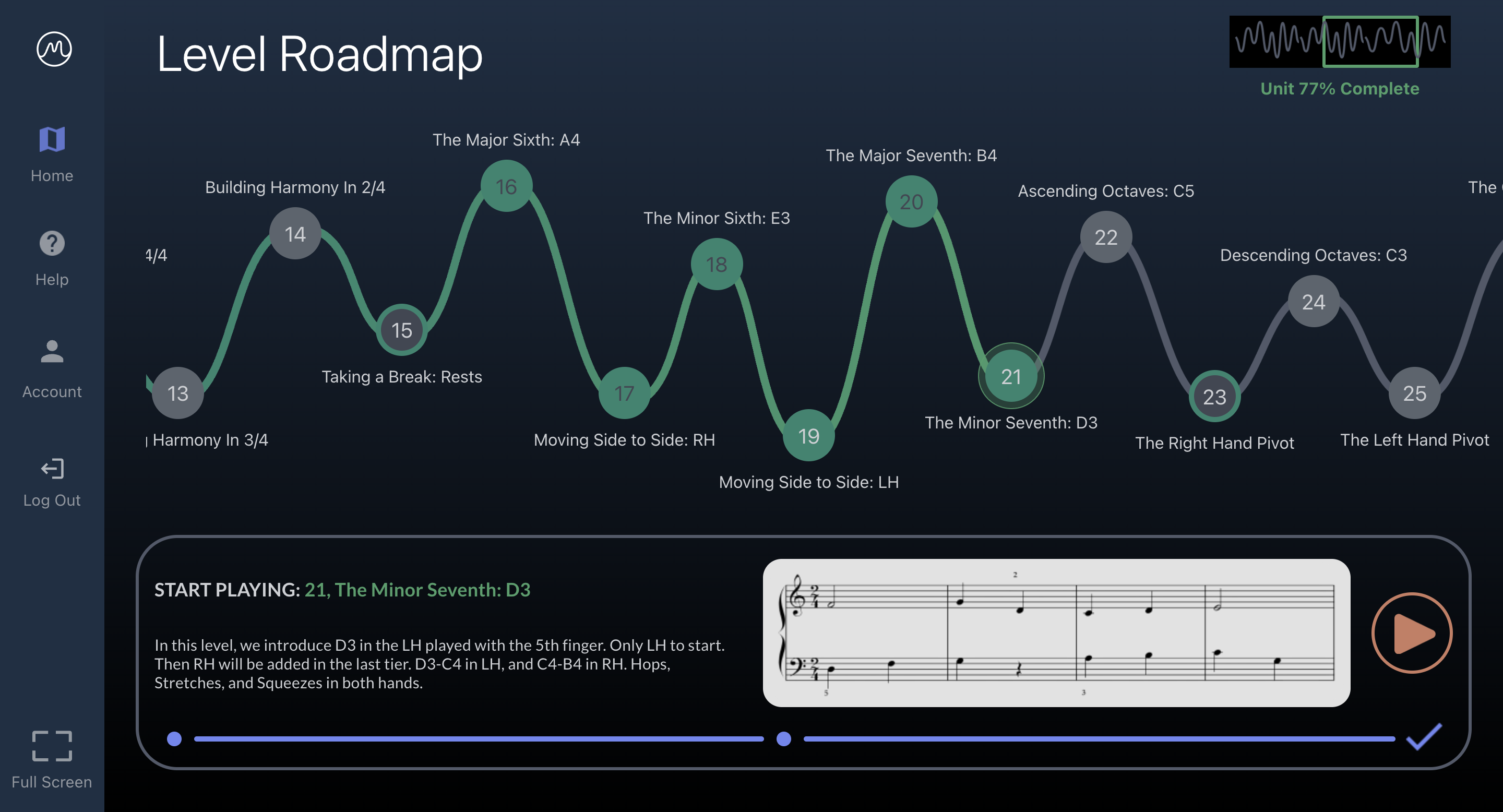
MuseFlow helps you learn to play piano in your own time, even if that’s only 15 minutes a day; in your own space, even if that’s the kitchen table. The MIDI integration allows for support of various keyboard sizes.
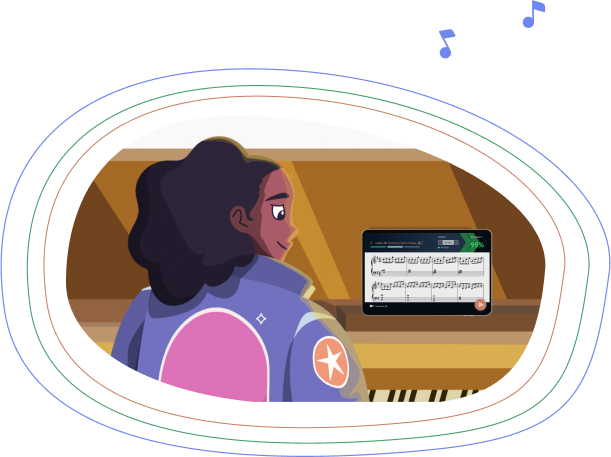
Anyone who has ever lived in an apartment, or with someone picking up the recorder, understands the limits of learning a new instrument in almost any home environment.
MuseFlow’s MIDI keyboard interface allows you to not only learn to play anywhere you can set up the app, but with a pair of headphones, you can play in any environment.

When alone, it can be frustrating to practice repetitively without any indication whether you’re doing anything correctly or incorrectly. Especially when people are beginning to learn on their own, they can drop the practice due to this frustration. Even in classical piano training, with taking lessons once a week, practicing alone six days a week incorrectly reinforces bad habits.
MuseFlow provides instant, precise feedback to gently help you correct mistakes in real-time, and instant audio and visual confirmation when you get it right. This is especially useful for complete beginners and self-taught pianists, so you can build confidence and a solid foundation. Seeing the fruits of your labor and success as you go is likely to increase self-confidence and empower you to keep up with your practice.
I get it - you want to get right to playing your favorite songs ASAP! The traditional method of rote memorization of the basics definitely has its value, but it does put a damper on your Elton John dreams. Progress can feel like a slog through inefficient exercises through traditional exercises.
MuseFlow’s sight reading first approach teaches you to read your favorite music fluently; not just the ones you’ve memorized, so you can get started once you’ve mastered each lesson. MuseFlow’s adaptive structure also allows you to progress at your own pace.
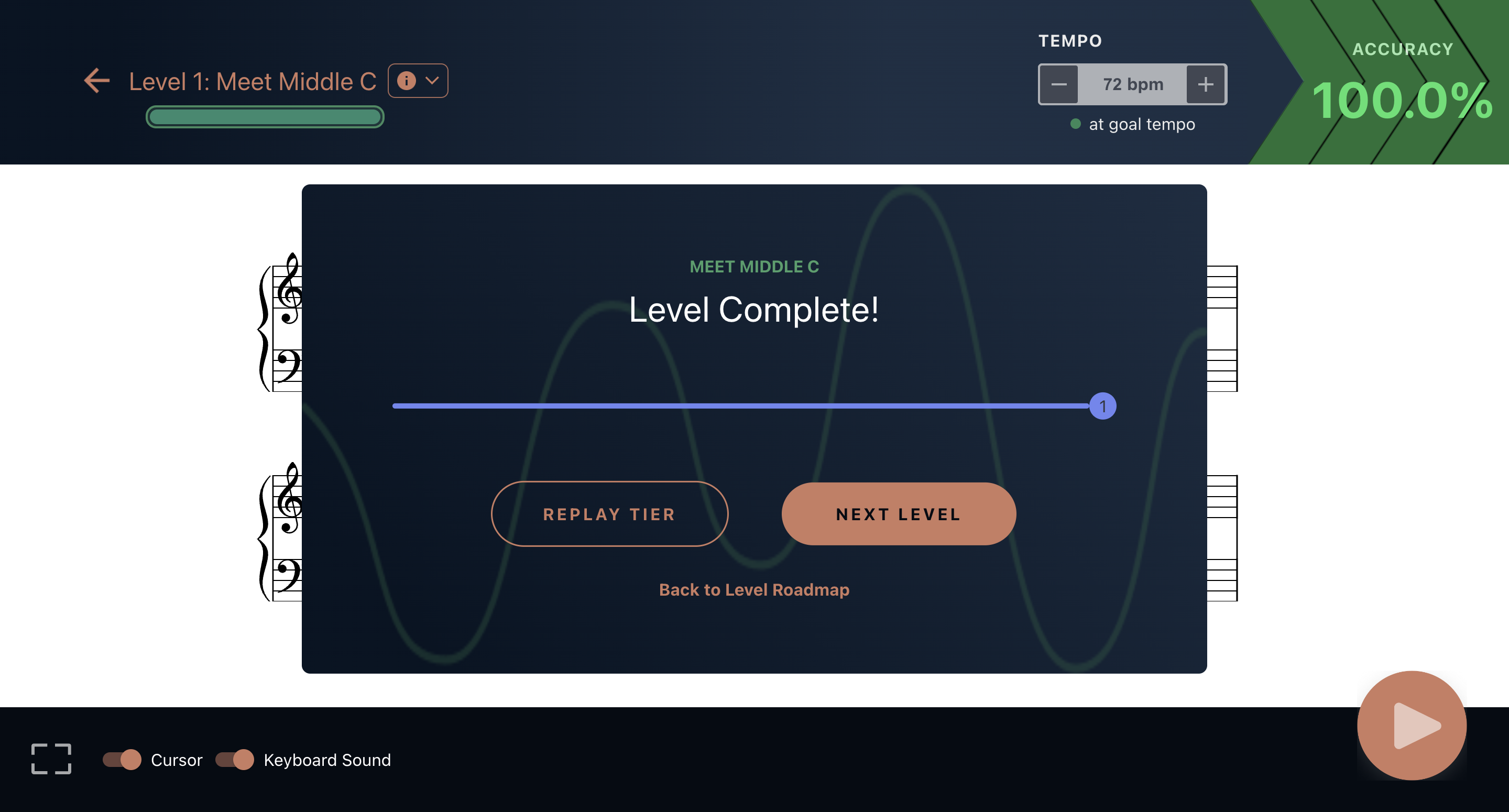
MuseFlow empowers you, no matter where you are in your music learning journey, to reach your music goals by using revolutionary, research and experience backed design to help you overcome common pitfalls.
Sight reading is one of the most important skills for pianists, especially for beginners. It enables musicians to interpret sheet music in real time instead of relying on memorization, opening the door to a broader repertoire and greater musical independence. Many adult learners struggle with sight reading because of limited practice time, inconsistent routines, or a lack of structured material. Even a few minutes of focused, high-quality practice can significantly improve fluency and confidence over time.
The “2-Minute Sight Reading Challenge” from MuseFlow demonstrates an approach designed to address these issues. By combining short, structured sessions with immediate feedback and varied exercises, this method provides an efficient pathway to developing sight reading skills.
This method is simple and practical for beginners, particularly adults with limited time.
Begin by connecting a MIDI keyboard to the MuseFlow app. Real-time feedback is central to this approach. Immediate correction allows learners to identify mistakes as they occur, reinforcing accurate patterns and reducing the chance of ingrained errors. Studies on learning show that instant feedback accelerates skill acquisition by strengthening neural pathways and supporting automatic recognition.
Unlike traditional sheet music or fixed libraries, the Sight Reading Trainer generates an ongoing sequence of new exercises. This ensures that learners practice true sight reading rather than memorization. By encountering novel material at the right difficulty level, learners develop anticipation skills, pattern recognition, and adaptability—core components of fluent sight reading.
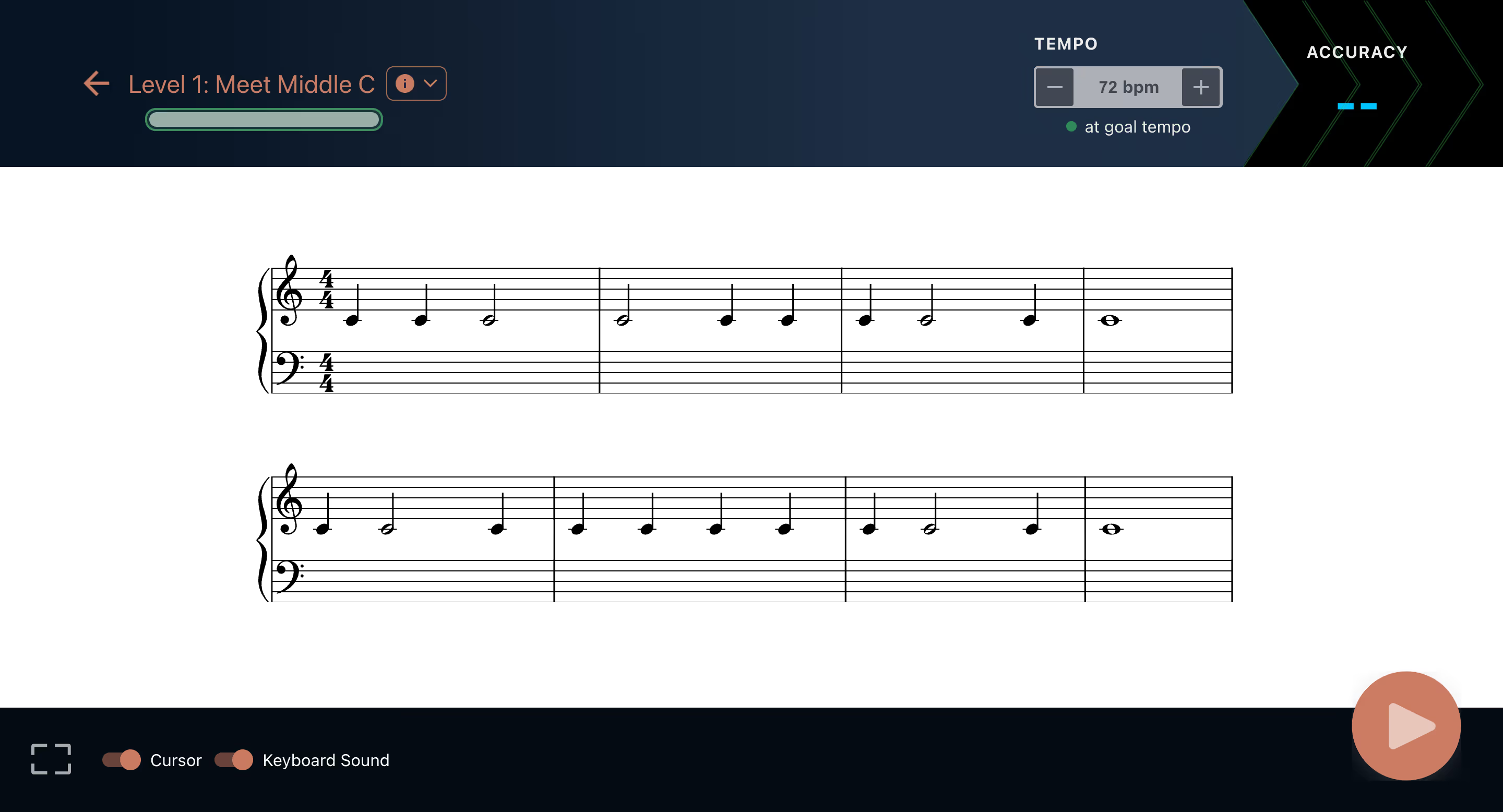
Short, concentrated sessions are surprisingly effective. A two-minute commitment removes the mental friction of starting practice while encouraging full attention. Research indicates that brief, highly focused practice often produces better retention than longer, distracted sessions. Adults benefit from micro-practice sessions that fit into busy schedules, allowing consistent progress without feeling overwhelmed.
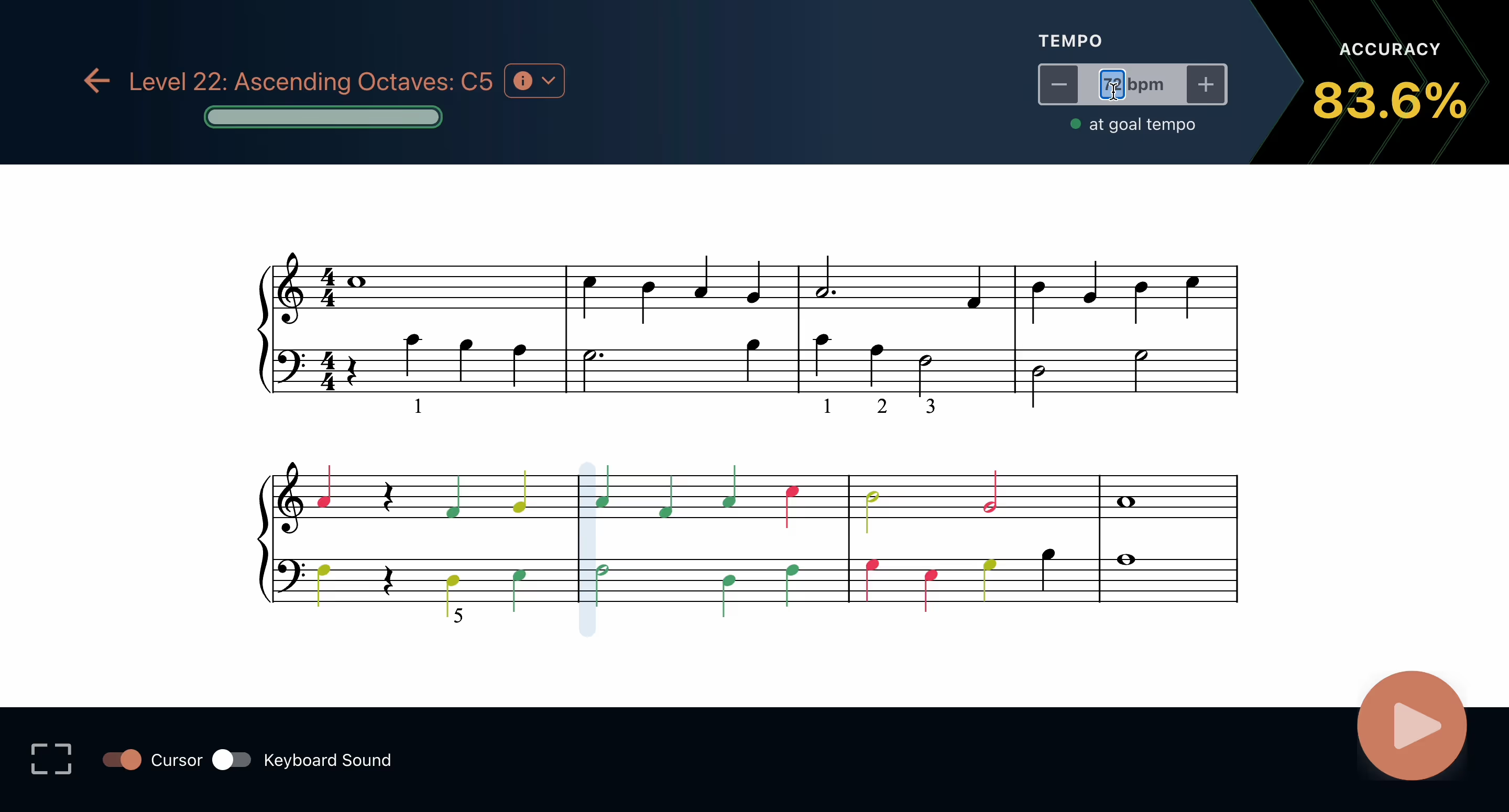
Color-coded feedback—green for correct notes, yellow for timing adjustments, and red for errors—guides learners immediately. This enables rapid correction and reinforces proper technique. Immediate visual cues help learners internalize patterns more effectively than delayed feedback, which can slow progress and reduce engagement.
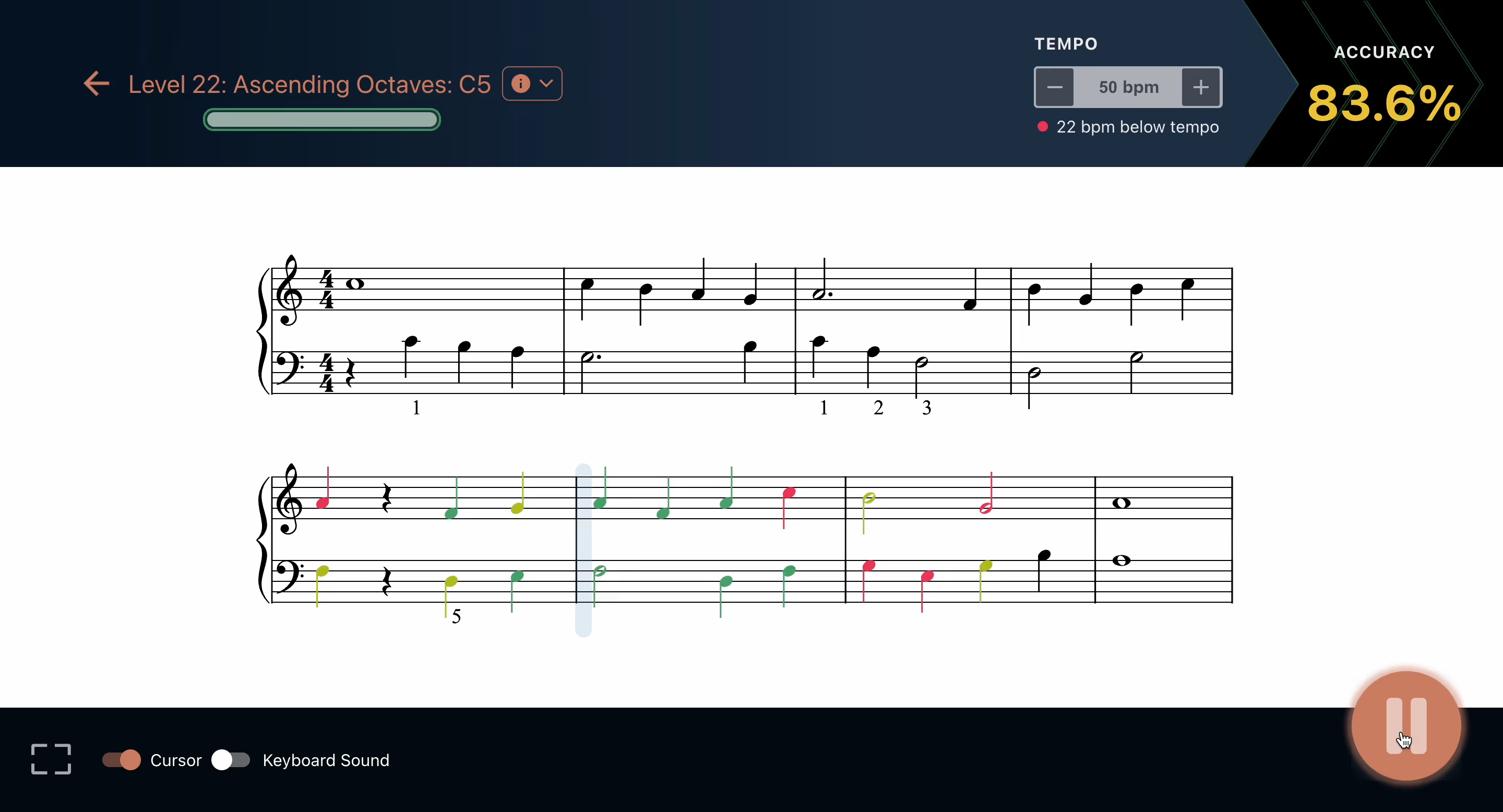
Ending practice at the point of peak engagement prevents fatigue and promotes a positive association with piano practice. Cognitive psychology research supports this strategy, showing that learners are more likely to sustain consistent routines when sessions end before exhaustion.
Several factors make the 2-minute approach effective for building sight reading skills:
The combination of these elements allows adult learners to steadily increase their sight reading fluency without overwhelming practice demands.
.png)
Sight reading practice offers benefits beyond simply playing new music. Consistent exposure to varied musical material strengthens memory, attention, and pattern recognition. It also enhances broader cognitive abilities such as problem-solving, auditory discrimination, and executive functioning. By developing musical literacy through structured practice, learners gain skills that contribute to overall cognitive flexibility and creative thinking.
Many apps focus primarily on memorization or gamification. While engaging, these approaches often fail to build genuine sight reading skills. A truly effective tool prioritizes structured progression, immediate feedback, and adaptive exercises that match the learner’s level. The 2-Minute Sight Reading Challenge demonstrates how short, well-designed sessions can produce measurable progress, even for busy adults.
Adopting short, repeatable practice sessions that gradually increase in complexity can help learners develop a foundation of sight reading skills that continues to grow over time. Combining focus, feedback, and varied material ensures that learners are not simply repeating the same exercises but are building real musical independence.
Evidence shows that short, structured practice sessions accelerate skill acquisition for beginners when combined with immediate feedback and clear progress tracking, an idea supported by research on microlearning and mastering skills in short time spans. By making practice approachable and rewarding, learners can steadily improve their sight reading and overall musicianship.
For practical guidance on integrating these principles into daily practice, see the MuseFlow blog for tips and example routines. By aligning piano practice with research-based learning strategies, beginners can build confidence, fluency, and long-term musical growth.
Sight reading is one of the most important skills for pianists. It distinguishes musicians who can only play memorized pieces from those who can interpret new sheet music on sight. Many learners wonder whether technology can accelerate this skill and how AI might fit into piano practice.
The short answer: certain technologies can support faster sight reading development, but not all “AI” tools are equally effective. Adaptive systems that provide structured exercises, real-time feedback, and progressive challenges can help learners build fluency efficiently. Platforms like MuseFlow illustrate how algorithmic approaches can address these needs without relying on marketing hype.

Traditional sight reading practice often runs into a common problem: learners exhaust available material. Students practice exercises repeatedly until they no longer read the music but instead memorize patterns. This limits skill transfer and slows progress.
Research on sight reading shows that varied, progressive practice is essential for developing fluency and automatic recognition. Technologies that generate new exercises for each practice session can provide this variety and prevent dependence on memorization.
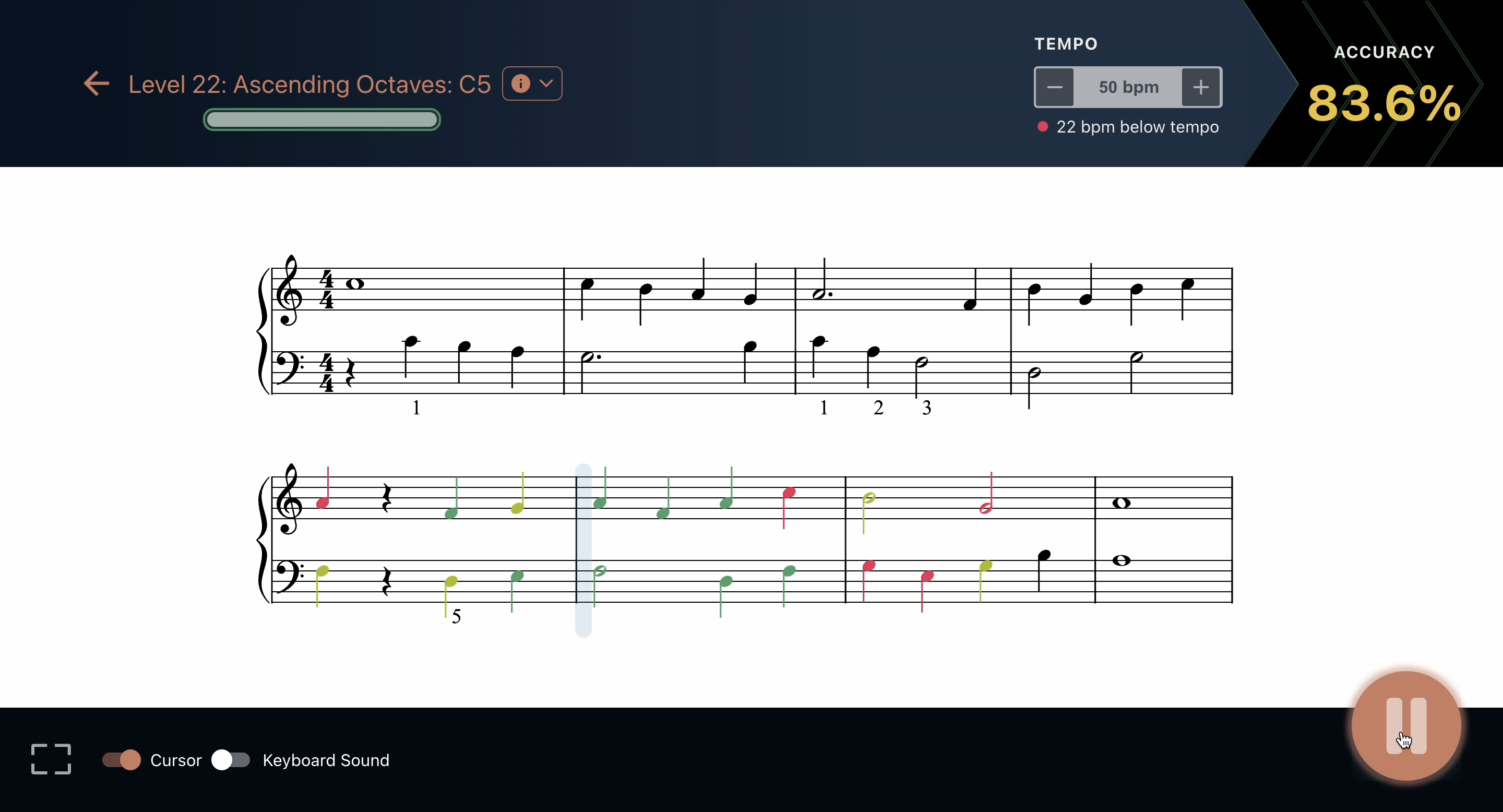
When evaluating technology-assisted sight reading, certain principles consistently support learning:
Exposure to new music is crucial. Adaptive systems that provide exercises tailored to a learner’s current level help maintain challenge without frustration. Each exercise should build on prior knowledge while introducing new patterns to promote continuous learning.
Timely correction prevents the reinforcement of mistakes. Systems that give visual or auditory cues—such as highlighting incorrect notes or timing issues—allow learners to adjust in real time. Research indicates that immediate feedback strengthens neural encoding and accelerates skill acquisition.
Pace matters. Learners need materials that increase in difficulty systematically. Overwhelming challenges can frustrate beginners, while overly simple exercises fail to develop skill. Progressively structured learning supports sustained improvement and maintains motivation.
Consistent, focused practice outperforms sporadic, lengthy sessions. Tools that encourage daily engagement—through visual progress indicators, achievable goals, or brief achievements—help learners stick with a routine. Studies on microlearning and adult education show that short, repeated sessions with immediate feedback improve retention and skill development.
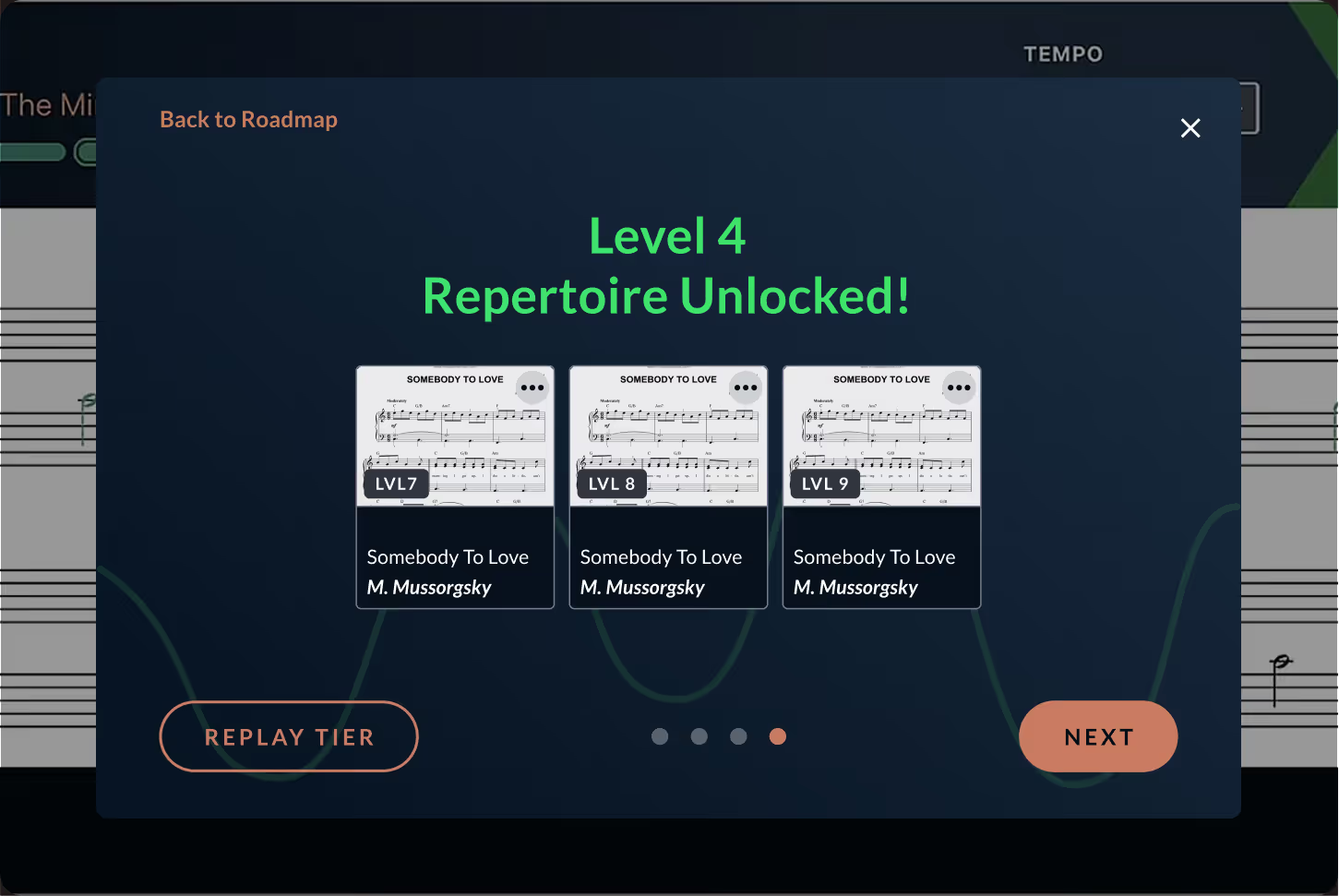
Some modern platforms, including MuseFlow, use algorithmic methods to combine these principles. Rather than simply presenting a fixed library of exercises, they generate non-repeating sequences, adapt difficulty in real time, and track progress. This approach promotes:
Importantly, the benefit comes from the learning principles—structured progression, varied material, and feedback—not from the label “AI” itself.

Consistent musical practice strengthens cognitive networks and enhances pattern recognition. Learners exposed to diverse exercises and immediate feedback develop sight reading skills faster than those relying solely on repetition of memorized pieces. Algorithmic generation can replicate this variety efficiently, allowing for scalable, individualized practice.
Technology can accelerate piano sight reading when it adheres to research-based principles:
Platforms like MuseFlow demonstrate how algorithmic approaches can implement these principles, but the key takeaway is that effective learning depends on consistent, structured, and feedback-driven practice. By applying these strategies, learners can develop sight reading fluency, musical independence, and broader cognitive benefits.
Learning to play the piano is a timeless goal, but busy schedules and limited access to private lessons can make it challenging. With recent advances in digital music education, it’s now possible to structure practice at home in a way that accelerates learning without compromising technique or understanding.
The most effective approach combines short, focused practice sessions, adaptive material, and immediate feedback to ensure steady progress. Below, we explore seven key benefits of using technology-supported piano learning for beginners and experienced musicians alike.
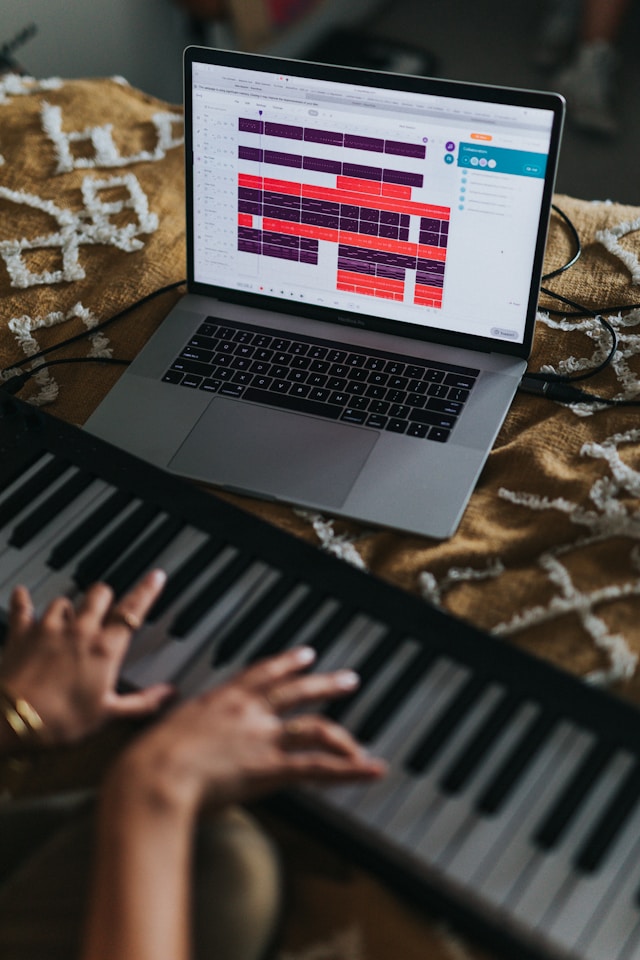
Traditional lessons often operate on slow feedback loops, where mistakes may go uncorrected for days. This can reinforce incorrect fingerings or rhythms and slow overall progress.
Modern piano learning tools provide real-time feedback, allowing learners to immediately identify and correct errors. Research on skill acquisition in music demonstrates that fast feedback loops improve retention, reduce ingrained mistakes, and enhance motor learning.
Spacing practice into shorter, regular sessions has been shown to improve retention and maintain focus. Practicing 10–20 minutes daily can be as effective as longer, less frequent sessions, particularly for beginners who are internalizing music-reading skills. For beginners and home learners, having the right keyboard can make consistent practice more productive — see our guide on:
Choosing the right equipment can also make practice more comfortable and effective; see our guide on
This approach leverages principles from deliberate practice and adult learning research, helping learners steadily build fluency without burnout.
Dividing music into smaller sections—phrases, measures, or thematic motifs—makes new pieces easier to digest. Beginners can isolate challenging parts and focus on them individually before integrating the full piece.
This method supports faster sight reading development and reduces cognitive overload, allowing learners to progress more confidently. Digital platforms often implement this structure automatically, but the principle can be applied manually in any practice setting.
Rhythm is a common challenge in sight reading. Using tools such as a metronome or subdividing beats can help learners internalize tempo and timing. Key techniques include:
Research indicates that structured rhythm practice improves both accuracy and confidence in reading new pieces.
Sustaining practice over weeks and months is often more important than individual session length. Gamified learning principles—such as tracking progress, setting small goals, or completing incremental challenges—can improve engagement.
While some platforms integrate these features, learners can also apply them independently by setting clear practice goals and rewarding progress. Engagement is closely linked to flow, where learners feel immersed and motivated, a concept supported by music psychology research and further explained in discussions about just‑in‑time learning and flow state in music education.
Home-based learning allows learners to practice at convenient times, fitting sessions into busy schedules. Flexibility supports consistent habits, which research shows is critical for long-term progress. By creating a routine that suits personal availability, learners can achieve more than rigid, weekly lesson schedules alone.
Digital solutions reduce reliance on multiple method books or in-person lessons, making music education more accessible and affordable. The focus should be on structured practice, adaptive material, and effective feedback, rather than the sheer quantity of resources. Evidence shows that structured, frequent practice with properly sequenced exercises delivers measurable improvement without expensive tools.
Learning piano at home is now more achievable than ever when practice is structured, engaging, and supported by immediate feedback. By combining short, focused sessions, rhythm training, chunking music, and maintaining consistent engagement, learners can accelerate sight reading and overall piano skills.
The principles outlined here—efficient practice, structured progression, and real-time feedback—are supported by research on adult learning and music pedagogy. While various digital tools can implement these strategies, the educational value comes from how these methods are applied consistently.
Perfectionism is often viewed as a virtue in music performance. Precision, discipline, and attention to detail are essential skills for any musician. However, when the pursuit of flawlessness becomes rigid, it can interfere with learning rather than support it. In piano practice especially, excessive perfectionism is frequently linked to fear of mistakes, avoidance of challenge, and stalled progress—particularly among adult learners.
Educational psychology and skill‑acquisition research increasingly suggest that long‑term improvement depends less on error‑free execution and more on consistent practice, feedback, and gradual progression, according to research on structured practice and feedback. From this perspective, progress—not perfection—emerges as a more reliable foundation for sustainable musical growth.

Perfectionism in music often stems from deeper concerns such as fear of failure, fear of judgment, or a desire to maintain control. While these impulses may initially motivate effort, they can quickly turn practice into a source of anxiety rather than development.
Common patterns associated with perfectionistic practice include:
When these patterns dominate, learners may practice less often, avoid challenging material, or abandon progress altogether. Over time, perfectionism becomes a barrier rather than a catalyst for improvement.
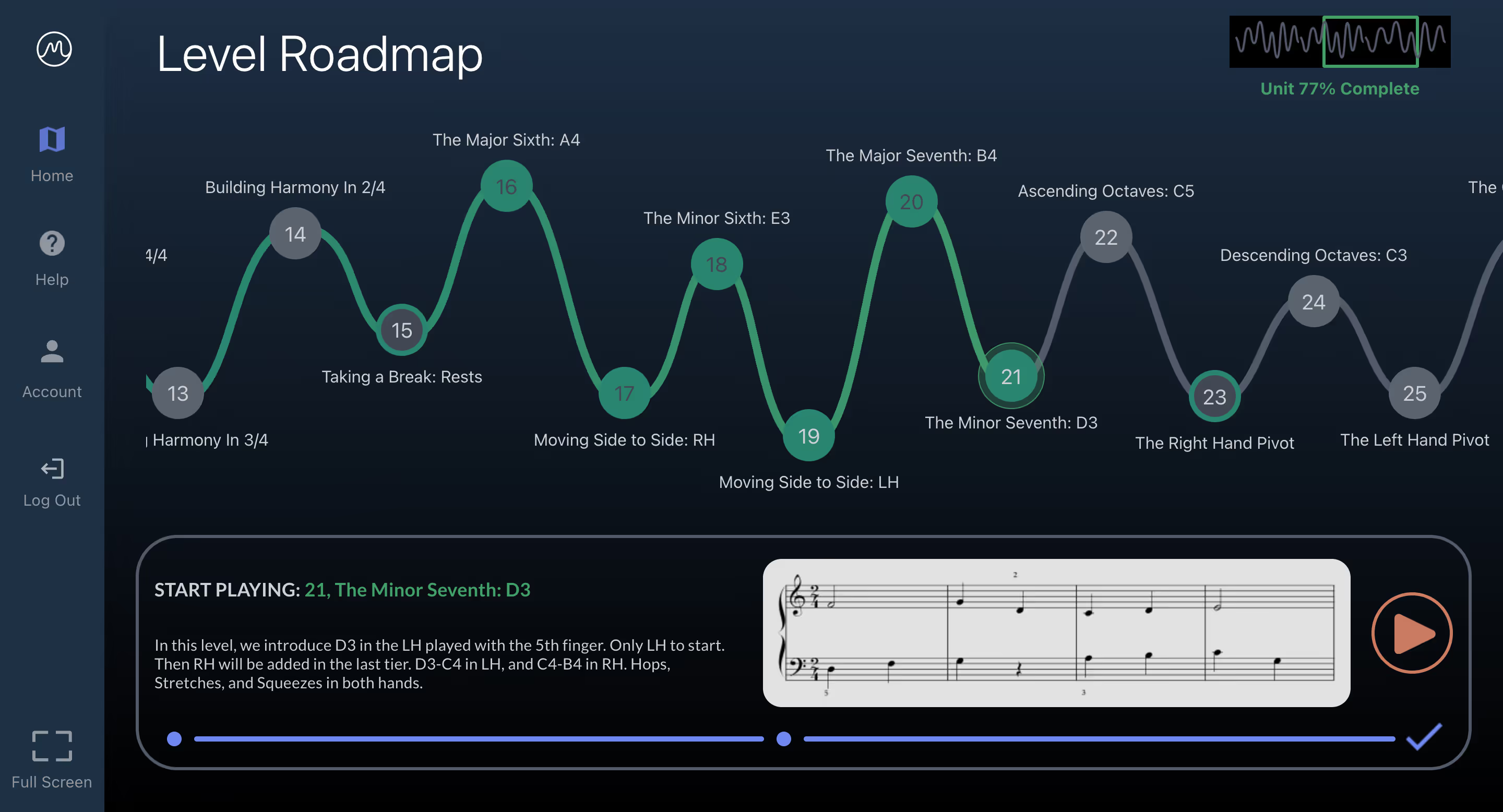
Progress-focused learning environments help counter perfectionism by redefining success. Instead of expecting mastery at every step, learners work toward clear, attainable benchmarks that allow movement forward even while skills are still developing.
This approach aligns closely with adult learning principles, which emphasize autonomy, visible progress, and manageable challenges. Adults are more likely to persist when they can see improvement and adjust their pace based on personal capacity rather than external pressure.
Some modern piano learning platforms, including MuseFlow, structure practice around defined accuracy thresholds rather than flawless repetition. For example, learners may advance after achieving consistent, high-quality performance across short musical phrases instead of repeating material until perfection is achieved.
This type of structure is designed to interrupt all-or-nothing thinking. By establishing a clear and realistic definition of “good enough,” learners are encouraged to move forward without feeling stuck. The result is steady momentum and reduced performance pressure.
A critical factor in overcoming perfectionism is how mistakes are framed during practice. When errors are treated as neutral information—signals for adjustment rather than evidence of failure—learners are more likely to remain engaged and curious.
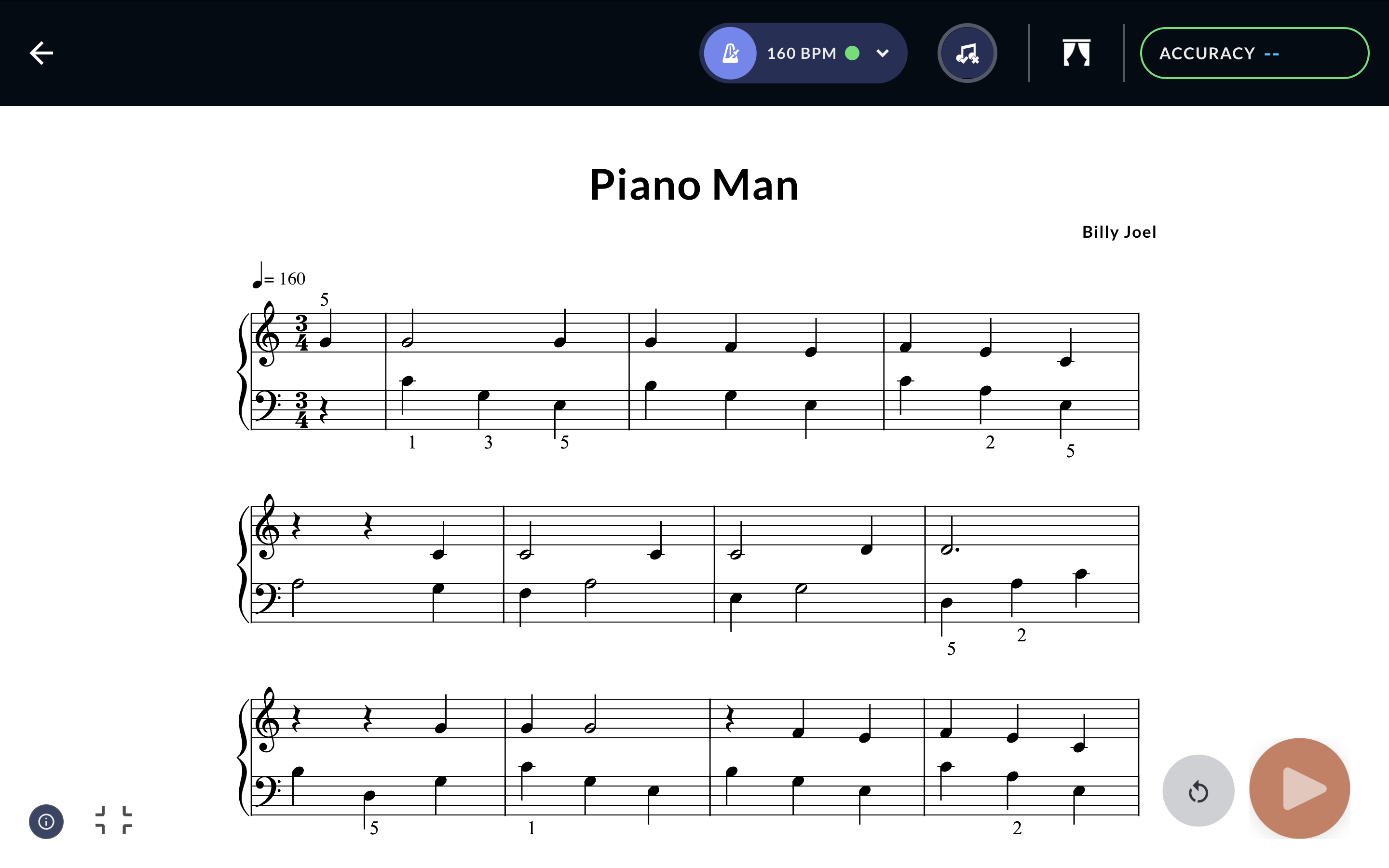
Visual or timing-based feedback systems can help support this shift by showing where improvement is needed without interrupting flow. Instead of stopping practice after each mistake, learners receive guidance that allows continuous playing and reflection, helping them maintain learning flow. This approach helps normalize errors as part of the learning process.
Perfectionism is often accompanied by cognitive overload: tasks feel either too difficult or emotionally demanding. Practice designs that allow learners to adjust difficulty, tempo, or complexity help maintain a balance between challenge and skill level.
When difficulty is scaled appropriately, learners are more likely to experience focused engagement rather than anxiety. This balance supports deeper concentration and makes practice sessions feel productive instead of exhausting.
For many musicians, especially adults returning to piano later in life, success feels distant when measured solely by flawless performance. Progress-oriented practice reframes success as consistency, effort, and reflection.
Over time, this mindset supports resilience. Learners become better equipped to handle mistakes, adapt to challenges, and continue practicing even when improvement feels gradual. These skills extend beyond music and contribute to healthier learning habits overall.
Although these ideas are often discussed in the context of music education, they apply broadly to skill development in other areas. Learning systems that prioritize progress over perfection help individuals build sustainable habits, maintain motivation, and reduce fear-based avoidance.
By normalizing imperfection and emphasizing steady improvement, learners are more likely to stay engaged and continue growing—both at the piano and beyond it.

Keep up to date on our progress as we continue to add new features!