Beginners
Self-Improvement
Technology
What's the Easiest Way to Read Piano Notes for Beginners?
July 5, 2026

Learning to read piano notes is often treated as a test of memory. Beginners are told to memorize every line and space on the staff, drill flashcards, and hope fluency appears over time. In reality, that approach is exactly why many students stall early. The easiest way to read piano notes is not memorization—it’s understanding how musical notation works as a visual system.
When note reading is taught through patterns and relationships, beginners progress faster, retain more, and develop confidence instead of frustration.
Many beginner piano methods rely heavily on rote learning. Students memorize note names without understanding how notes relate to each other on the staff or the keyboard. This creates a fragile skill set: if a note hasn’t been memorized, reading breaks down.
Educational research consistently shows that early music learning is most effective when it combines visual recognition, auditory feedback, and physical movement. When one of these elements is missing, learning becomes inefficient and discouraging. Treating note reading as a memory-only task ignores how the brain actually processes symbols and patterns.
The result is predictable: students can name isolated notes but struggle to read music smoothly in real time.

Reading music is a form of symbol decoding, similar to reading language. Neuroscience research published through the U.S. National Institutes of Health has shown that music literacy is associated with measurable changes in brain regions related to visual processing, motor coordination, and language-related skills.
Musicians, especially those trained to read notation fluently, often demonstrate stronger pattern recognition and reading fluency in non-musical tasks as well. These benefits don’t come from memorizing symbols; they come from learning how symbols relate to each other within a structured system.
For beginners, this means the goal should be recognition, not recall.
The easiest way to read piano notes is to anchor your reading around a small number of landmark notes. Instead of learning every note at once, beginners focus on a few reference points on the staff and keyboard.
Common landmarks include:
These notes act like navigation markers. Once a landmark is recognized instantly, other notes are identified by their distance and direction from that point rather than by memorization. This mirrors how fluent readers recognize words by shape and context rather than spelling each letter.

After landmarks, interval recognition becomes the next key skill. An interval is the distance between two notes. Beginners who learn to identify steps, skips, and repeated notes can read music faster—even without naming every note explicitly.
For example, if you know a note is Middle C, and the next note is one step higher, your brain processes the relationship immediately. This method reduces cognitive load and allows reading to keep pace with playing.
Interval-based reading is widely used in modern piano pedagogy because it scales. As music becomes more complex, the same principles still apply.
Digital tools can support note reading when they reinforce correct learning principles. Visual feedback, gradual difficulty increases, and immediate correction can help beginners avoid developing bad habits early.
However, technology should support pattern recognition, not replace it. Apps and platforms work best when they:
Used correctly, technology accelerates learning. Used poorly, it becomes another memorization crutch.

There is no shortcut that replaces consistency. Short, daily practice sessions are far more effective than occasional long ones. Even 10–15 minutes of focused reading practice can lead to noticeable improvement within weeks.
Over time, patterns become automatic. The staff stops feeling abstract, and note reading starts to resemble reading text—recognition happens instantly, without conscious decoding.
The difference between beginners who struggle and those who progress is not talent. It’s approach. When beginners learn to read piano notes through landmarks, intervals, and consistent practice, the skill becomes manageable—and even enjoyable.

The easiest way to read piano notes for beginners is to stop treating music as something to memorize and start treating it as something to understand. By focusing on patterns, using landmark notes as reference points, recognizing note relationships, and practicing consistently, beginners develop real reading fluency. When note reading aligns with how the brain naturally processes visual, auditory, and motor information, progress becomes faster and more sustainable. Digital learning platforms such as MuseFlow can support this approach by reinforcing pattern recognition through guided, structured practice.

Getting bored while learning piano is one of the most common reasons students quit before reaching their musical goals. Many learners begin with enthusiasm, only to find that daily practice gradually feels repetitive, unrewarding, or disconnected from real progress. If this sounds familiar, the issue is likely not a lack of talent or discipline—it’s the structure of practice itself.
Boredom during piano practice is often a signal that learning methods are misaligned with how people stay engaged and develop skills over time.

Studies on skill acquisition consistently identify three conditions that support sustained engagement and progress:
Immediate feedback
Learners improve more efficiently when they can instantly see or hear whether an action was correct. Delayed feedback increases uncertainty and slows learning.
Balanced challenge
Tasks that are too easy quickly become boring, while tasks that are too difficult create frustration. Optimal learning happens in the middle ground, where challenge slightly exceeds current skill.
Clear progress signals
Visible indicators of improvement—accuracy, consistency, or speed—help learners connect effort with results, sustaining motivation over time.
Music education research also highlights the importance of multisensory learning. Effective piano instruction integrates visual (notation), auditory (sound), and motor (movement) processes. When these systems work together, retention improves and mental fatigue is reduced.
When practice lacks these elements, learners often slip into an “autopilot” mode, repeating notes without meaningful engagement.

Before changing tools or platforms, several evidence-based strategies can help reduce boredom:
These strategies are effective regardless of teaching style and can significantly improve engagement when applied consistently.

Some modern piano-learning platforms attempt to operationalize these learning principles by automating feedback, adapting difficulty, and increasing practice variety. When designed well, this can reduce common friction points, particularly for beginners or independent learners.
For example, platforms such as MuseFlow emphasize continuous sight-reading practice with real-time accuracy feedback and adaptive challenge levels. Used appropriately, this type of system can help learners remain within a productive difficulty range instead of relying on repeated drills alone.
It’s important to view these tools as practice supports, not replacements for musical instruction, expression, or repertoire study. Their value lies in reinforcing core learning principles, not bypassing them.
Avoiding boredom while learning piano doesn’t require more willpower or longer practice sessions. It requires aligning practice methods with how people actually learn and stay engaged.
When feedback is timely, challenges are balanced, and progress is visible, practice naturally becomes more rewarding. Over time, this leads not only to improved motivation but also to stronger skill retention and musical confidence.
The most successful piano learners are rarely those who force themselves to practice the most. They are the ones whose practice methods make learning feel purposeful, measurable, and engaging.

Beginning piano can feel overwhelming. New learners encounter a wide range of advice: start with scales, focus on hand position, memorize favourite songs, or follow tutorial videos. Each approach reflects a valid teaching tradition, but they differ in how well they support long-term progress.
Rather than asking which method produces the fastest short-term results, a more useful question is which foundational skill best supports continued learning and independence over time. Research in music cognition and pedagogy suggests that early music reading skills—particularly sight reading—play a central role in sustainable piano development.

Sight reading refers to the ability to interpret written music and translate it into coordinated movement in real time. In many beginner methods, it is treated as an advanced skill introduced only after learners can already play several pieces.
Research published in the Journal of Eye Movement Research has shown that experienced sight readers require fewer eye fixations, process larger musical groupings, and allocate less cognitive effort to decoding individual notes. These efficiencies allow attention to shift toward timing, articulation, and expression rather than basic note recognition.
This suggests that sight reading is not merely a downstream skill—it actively shapes how musical information is processed from the beginning.

Additional research in music psychology links early reading proficiency with broader cognitive advantages in musical performance. Musicians with stronger sight reading ability demonstrate improved pattern recognition, more efficient working memory use for musical material, and better coordination between visual, auditory, and motor systems. These findings align with established theories of skill acquisition, where early exposure to structured symbolic input supports more flexible learning later on. This idea is consistent with models such as the floor–ceiling framework of skill development, which explains how early learning constraints can either limit or expand long-term progress depending on how foundational skills are introduced.
Importantly, these benefits do not require advanced repertoire. Even simple rhythmic patterns and limited pitch sets can train the perceptual and motor systems in ways that transfer across pieces.
Many popular beginner approaches emphasize rapid song acquisition, often through imitation or repetition. While this can be motivating initially, it frequently leads to what educators describe as a transfer gap: learners can reproduce familiar pieces but struggle to approach unfamiliar music independently.
Common consequences include:
This mirrors findings in literacy education, where memorization without decoding skills limits long-term reading ability. Piano learning follows a similar pattern.
A sight reading-first approach does not exclude technique, repertoire, or enjoyment. Instead, it prioritizes a small set of transferable skills early on:
These elements form a foundation that supports faster learning later, even if early progress feels more measured.
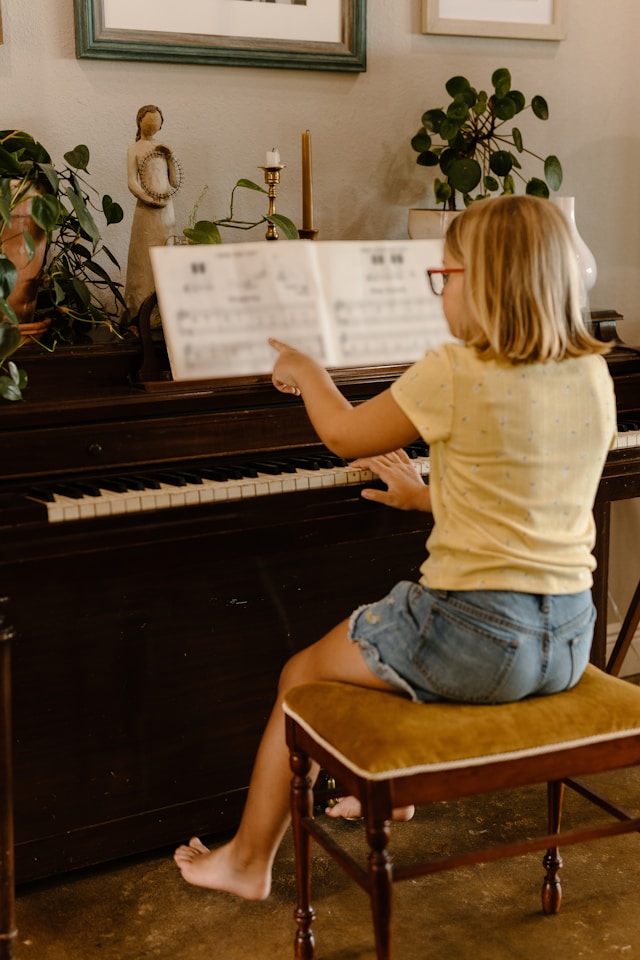
Technology can support early reading development when it reinforces sound pedagogy rather than bypassing it. Learning tools that provide immediate feedback, structured progression, and short, focused reading tasks align well with principles from motor learning and educational psychology.
MuseFlow, for example, is designed around progressive sight reading challenges, real-time timing feedback, and controlled difficulty adjustments. Rather than positioning sight reading as an advanced add-on, it integrates reading practice into every stage of learning. Used as a supplement—especially for independent learners—this approach can help reinforce consistent practice habits without replacing the role of a teacher.
What distinguishes tools built this way is not novelty, but alignment with how complex skills are acquired incrementally.

Evidence from music education research suggests that learners who develop reading skills early:
Scales, technique, and musical expression remain essential, but they are more effective when built on reading literacy.
For beginners deciding where to start, a sight reading-first approach offers a practical, research-aligned foundation—one that supports independence rather than short-term performance alone.
Choosing a piano practice app can significantly influence how efficiently a learner develops technical skills and maintains a consistent routine. Many piano students—especially independent learners—struggle with issues such as unfocused practice, limited feedback, and difficulty tracking long-term progress. In response, modern digital practice tools increasingly rely on adaptive technology, real-time analysis, and engagement design to support structured learning outside traditional lessons.
This review examines how MuseFlow approaches piano practice through adaptive learning, feedback systems, and engagement mechanics, while aligning its design with widely recognized principles from music education and learning science.
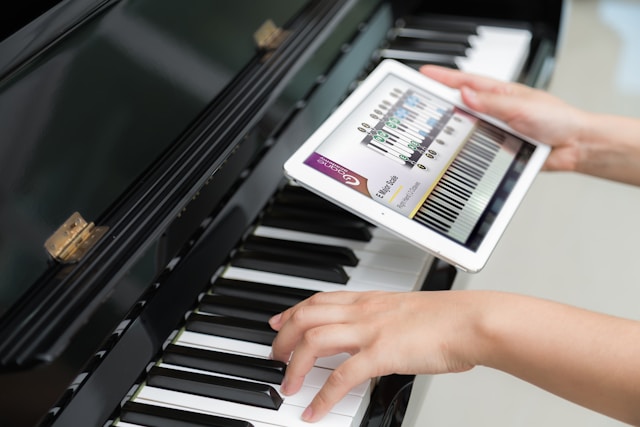
MuseFlow uses artificial intelligence to tailor practice sessions based on a learner’s ongoing performance. Rather than following a fixed sequence of lessons, the app evaluates factors such as note accuracy, timing stability, and tempo consistency to adjust exercises dynamically.
Adaptive learning systems are commonly associated with improved learning efficiency because they help learners focus on areas that require the most attention instead of repeating material they have already mastered. In music practice, this can mean isolating rhythmic inconsistencies, addressing fingering challenges, or reinforcing coordination between hands before introducing more complex material.
For example, a beginner experiencing difficulty with hand independence may receive targeted coordination exercises, while a more advanced learner may encounter material that emphasizes sight reading or expressive control. This approach reflects principles of deliberate practice, which emphasize focused, goal-oriented repetition rather than generalized rehearsal.
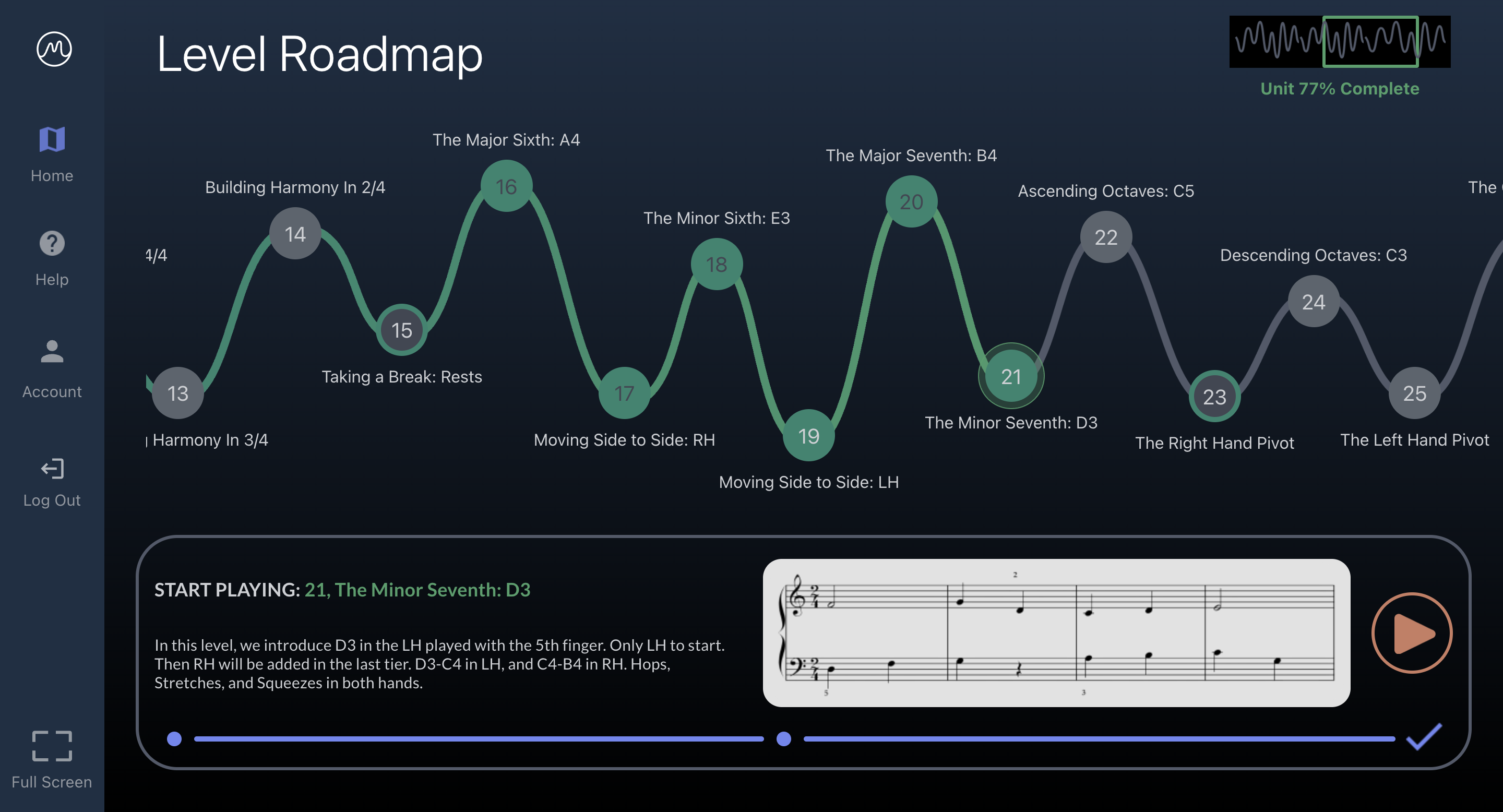
Immediate, actionable feedback plays a central role in skill acquisition, particularly for instruments that require precise motor coordination. MuseFlow analyzes a learner’s playing in real time and provides feedback related to accuracy, rhythm, and articulation during practice sessions.
Correcting mistakes at the moment they occur helps prevent inefficient repetition and reduces the likelihood of reinforcing incorrect techniques. Beyond live feedback, MuseFlow also records performance data across sessions, allowing learners to review progress over time.
Tracked metrics may include:
By visualizing improvement and highlighting recurring problem areas, the app supports more intentional practice planning. Research on expert skill development consistently shows that learners benefit from feedback systems that make performance gaps visible and measurable, particularly when practicing independently.
.png)
Maintaining regular practice habits is one of the most persistent challenges in learning an instrument. MuseFlow incorporates gamified elements such as progress indicators, structured challenges, and achievement milestones to support consistency.
Educational research suggests that gamification can increase learner engagement when rewards are tied to meaningful learning outcomes rather than superficial interaction. In the context of music education, structured milestones can help learners break long-term goals into manageable steps, reinforcing persistence rather than replacing discipline.
Within MuseFlow, gamified elements are used to encourage routine formation by providing short-term goals, such as completing accuracy-focused exercises or maintaining tempo stability across repetitions. These features are designed to complement, rather than distract from, core practice objectives.
MuseFlow’s overall design reflects an emphasis on common challenges faced by independent piano learners, including unclear progress benchmarks, inconsistent feedback, and loss of motivation over time. Instead of presenting exercises as isolated tasks, the app structures practice sessions around observable performance outcomes.
The interface prioritizes clarity and ease of use, allowing learners to focus attention on the instrument rather than navigation or setup. Exercises are introduced based on demonstrated readiness, aligning with instructional design principles commonly applied in skill-based learning environments.
Rather than positioning itself as a replacement for traditional instruction, MuseFlow functions as a structured practice companion. It can be used alongside lessons or as a self-guided option for learners seeking data-informed practice support.
Effective piano practice depends on focused repetition, timely feedback, and sustained engagement. MuseFlow integrates adaptive learning technology, real-time performance analysis, and structured engagement features to support these core requirements.
By grounding its design in principles associated with deliberate practice, adaptive learning, and instructional clarity, the platform reflects broader trends in modern music education. For learners exploring technology-supported practice methods, understanding how such tools structure feedback and progression can help inform better practice decisions and long-term skill development.

AI-powered piano apps have become a popular option for learners who want flexibility beyond traditional lessons. Their growing adoption raises an important question: why do these tools work so well for so many people, especially beginners and self-directed learners?
The answer is not hype around artificial intelligence, but how modern piano apps apply established principles from music pedagogy, cognitive science, and human–computer interaction. When designed well, these systems solve long-standing problems in independent music practice.
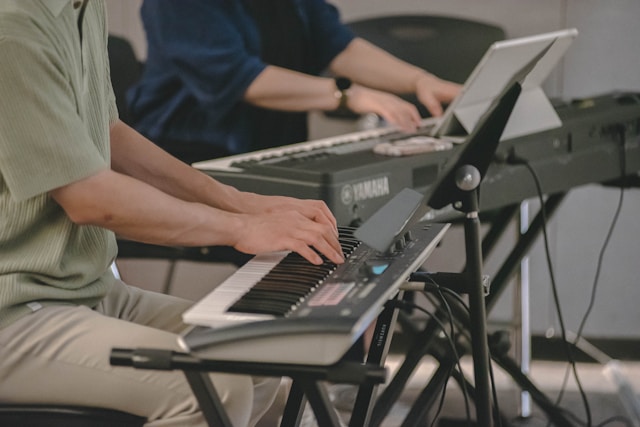
Independent piano learners typically face four recurring challenges:
Traditional weekly lessons address some of these issues, but gaps remain between sessions. AI-supported piano apps aim to reduce those gaps using continuous feedback and adaptive practice design.
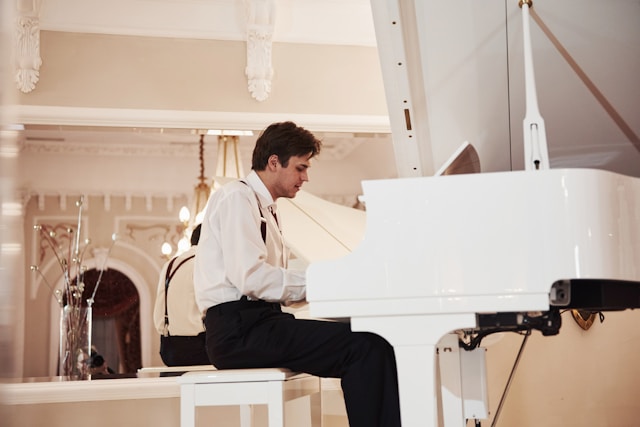
Most AI piano apps are not “thinking” in a human sense. Instead, they combine several technical systems:
The critical outcome of this system is real-time feedback. When learners receive immediate information about what went wrong—and why—they can correct errors before they become habits. Research in cognitive skill acquisition consistently shows that prompt feedback accelerates learning and improves retention.
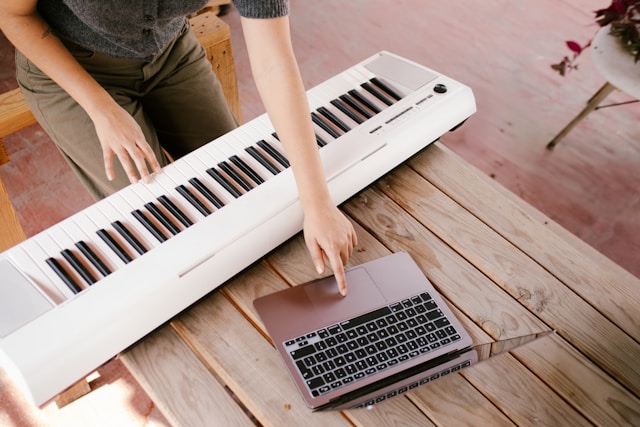
A common reason learners quit piano is frustration. Material that progresses too quickly overwhelms beginners, while repetitive exercises disengage more advanced learners.
Effective AI piano apps address this by dynamically adjusting difficulty:
This approach mirrors how experienced teachers adjust lessons in real time and helps learners stay within an optimal challenge range.
Motivation is one of the strongest predictors of long-term musical success. Educational psychology research shows that learners persist longer when progress is visible and goals feel achievable.
Gamification supports this by:
In piano learning, game-inspired elements work best when they support musical fundamentals rather than replace them. Rhythm accuracy, sight reading, and coordination still form the core skill set.
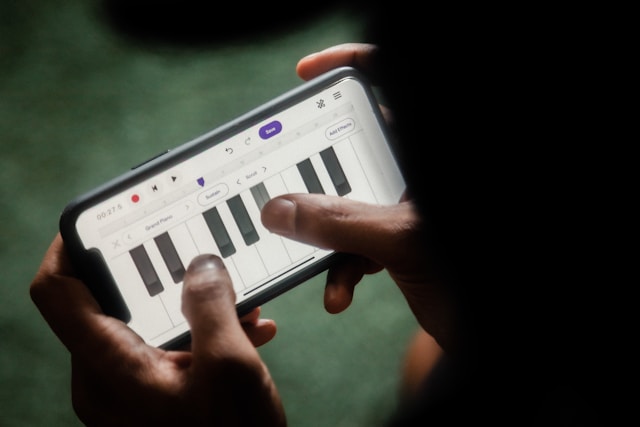
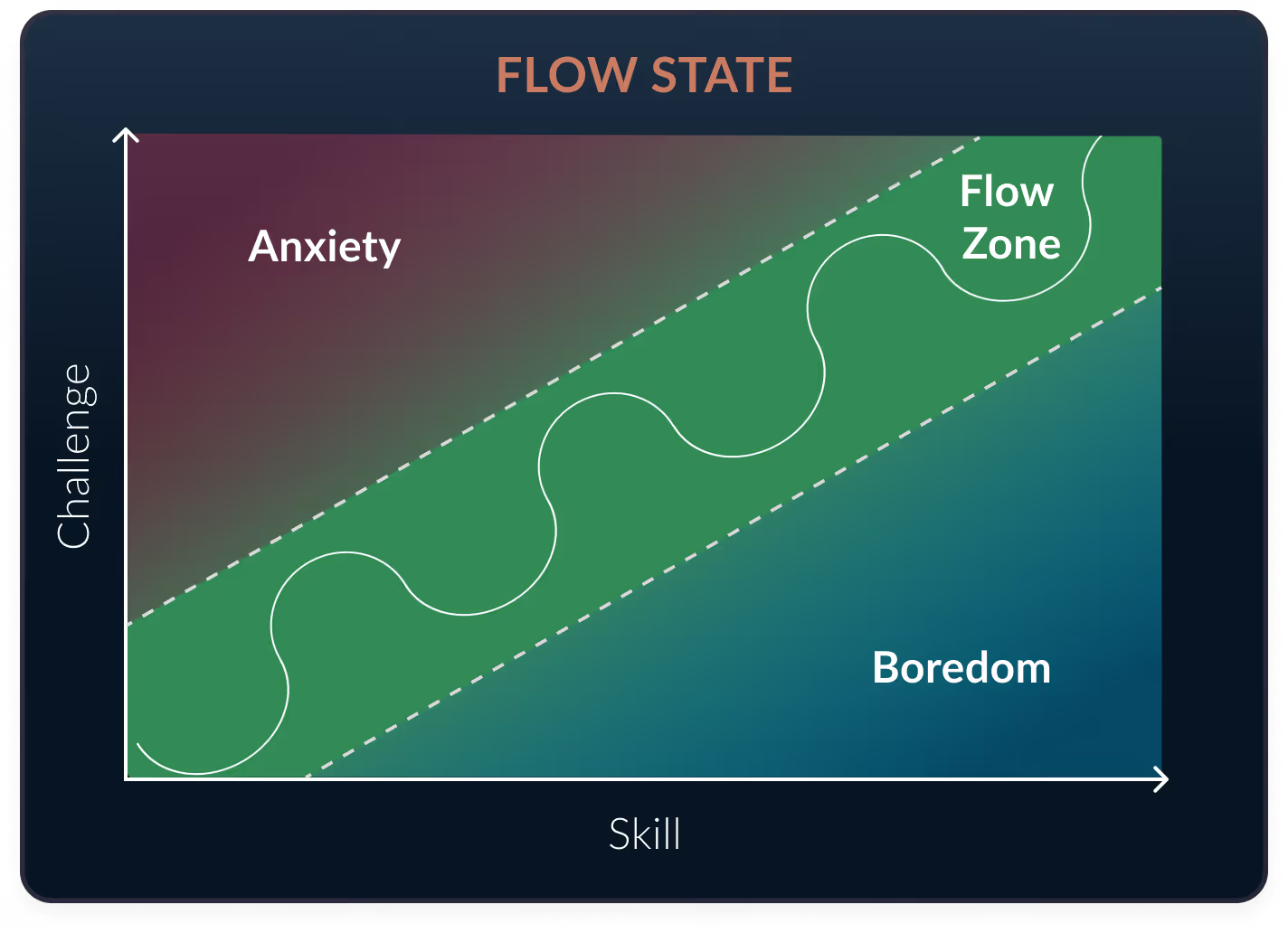
The concept of flow, introduced by psychologist Mihaly Csikszentmihalyi, describes a mental state where learners are fully immersed, focused, and intrinsically motivated. Flow occurs when challenge and skill are well balanced.
In piano learning, flow is supported when:
Well-designed AI piano apps intentionally structure practice sessions to encourage this state, which often leads to longer practice times and higher satisfaction
A major limitation of many beginner piano apps is overemphasis on memorizing songs. While this can feel rewarding short term, it does not build independence.
More effective systems prioritize:
This ensures learners develop skills they can apply to unfamiliar music, rather than relying on muscle memory alone.
MuseFlow applies these principles through structured progression, real-time MIDI feedback, and adaptive practice material designed to reinforce sight reading and timing skills. Rather than positioning AI as a replacement for teachers, it functions as a practice-support system for learners who need consistency, feedback, and flexibility.
For independent learners facing limitations of cost, scheduling, or access, this approach offers a practical pathway to sustained progress.
AI piano apps are most effective when they are grounded in learning science rather than marketing promises. Their success comes from shortening feedback loops, personalizing difficulty, and sustaining motivation—not from artificial intelligence alone.
As technology continues to mature, the most valuable tools will be those that respect musical fundamentals while making quality practice more accessible. For many learners, that combination is what finally makes consistent piano study possible.
Learning piano has traditionally required three things: money, time, and access to a qualified teacher. Without these, many aspiring musicians were unable to pursue their goals. Over the last decade, technology has begun to break down these barriers, making it possible for learners to practice independently while maintaining steady progress.
Modern self-learning piano apps integrate structured guidance, adaptive challenges, and real-time feedback, allowing learners to develop musical skills efficiently without depending on traditional lessons. These innovations are rooted in principles from cognitive science, skill acquisition research, and music education.
Cost
Private lessons can be expensive, often costing several thousand dollars per year. Many families cannot afford weekly sessions, which limits access to consistent instruction.
Time
Regular lesson schedules can be difficult to maintain for people with unpredictable work hours, family responsibilities, or other commitments.
Access
Geography plays a role: rural areas or regions with few qualified teachers make regular instruction challenging. Social anxiety or discomfort performing in front of an instructor also adds barriers.
Delayed Feedback
When learning independently or between lessons, mistakes can go uncorrected for days. Cognitive research shows that timely feedback is crucial for forming accurate motor patterns and reinforcing correct technique.
Modern self-learning piano apps address these challenges systematically:
These features reflect best practices in learning science, ensuring that skill development is consistent and effective.

Sight reading is a foundational skill that allows learners to tackle any new piece of music confidently. Apps that focus solely on memorization provide limited long-term benefit, while emphasizing sight reading builds transferable skills and autonomy.
Progressive practice that prioritizes sight reading helps learners:
This approach aligns with research in music cognition and skill acquisition, which highlights the importance of active reading over rote memorization.
Sustainable motivation is driven by visible progress. When learners can see that their practice leads to measurable improvement, they’re far more likely to stay consistent. Learning science describes this as entering a flow state — periods of deep focus where effort feels natural and attention is fully engaged. Flow tends to emerge when challenge and skill are well matched, allowing learners to feel capable rather than pressured.
Enjoyment also plays a practical role in long-term consistency. For some learners, game-like practice formats make piano sessions feel less like a chore and more like an activity they genuinely look forward to. This approach shows how rhythm-game mechanics can be adapted into meaningful piano learning without sacrificing real musical skill.
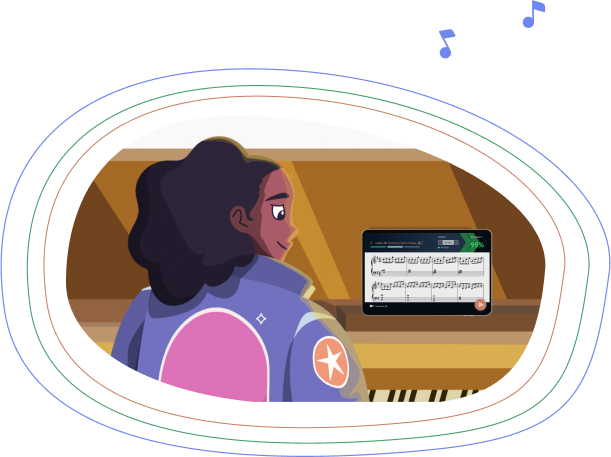
Independent learners are looking for systems that:
By aligning learning tasks with these needs, apps can support consistent practice and meaningful skill development.
Many apps claim fast results but focus on memorizing a small library of songs. While memorization can be fun, it rarely develops true musical literacy. Effective independent learning emphasizes:
This ensures that learners gain lasting skills, cognitive benefits, and independence in their practice.
Technology has already transformed how people approach piano education. With structured guidance, adaptive feedback, and emphasis on foundational skills like sight reading, learners can progress efficiently without the traditional barriers of cost, scheduling, or geography.
Independent learners who adopt these principles can practice consistently, gain autonomy, and experience the cognitive and emotional benefits of music — benefits that many find are enhanced when learning at home through well-designed practice strategies.

Self-learning piano apps are more than a convenient alternative—they are a viable pathway to musical literacy. By combining structured practice, adaptive challenge, immediate feedback, and sight reading development, learners can achieve meaningful progress while building long-term skills.
Aspiring musicians can now take advantage of these innovations to practice efficiently, learn independently, and enjoy the cognitive and emotional rewards of piano study.
In a fast-paced, always-on world, many adults are searching for practical ways to manage daily stress. While meditation apps and breathing exercises are commonly recommended, they are not effective for everyone. For people who struggle with sitting still or quieting their thoughts, learning to play the piano can offer a surprisingly effective alternative for stress relief—one that is active, engaging, and emotionally rewarding.
Rather than attempting to “clear the mind,” piano learning provides structure, focus, and creative output. For many learners, this combination naturally reduces anxiety while producing something tangible: music.

Decades of research in music psychology and clinical music therapy suggest that active music-making has measurable effects on the nervous system. Playing an instrument engages auditory, motor, and cognitive regions of the brain simultaneously, which helps redirect attention away from stressors.
Studies published in peer-reviewed music therapy and neuroscience journals have shown that engaging with music can support lower cortisol levels, improve mood, and activate reward pathways associated with relaxation and emotional regulation. Unlike passive music listening, piano playing requires intention and coordination, which encourages sustained focus and mental absorption.
Importantly, these benefits are not limited to advanced musicians. Even beginners practicing simple patterns or melodies can experience a calming effect when attention shifts from external stress to controlled, rhythmic movement.
Meditation is often recommended for stress management, but it can feel abstract or frustrating for beginners. Piano learning offers several practical advantages:
Active Focus
Instead of trying to silence thoughts, piano practice naturally occupies the mind with rhythm, timing, and coordination.
Immediate Feedback
Hearing correct notes and harmonies provides instant confirmation, reinforcing progress and confidence.
Visible Improvement
Unlike meditation, where progress is internal and gradual, musical improvement is audible—creating motivation and a sense of achievement.
Emotional Expression
Music allows emotional release in ways that silent mindfulness practices cannot always provide.
For individuals who find traditional meditation difficult to sustain, piano learning can deliver similar calming effects through a more engaging pathway.
Psychological research on flow states—a condition where challenge and skill are well balanced—shows that people experience reduced self-criticism, heightened focus, and improved mood. Piano practice is particularly effective at inducing flow because it combines structure with creativity.
When learners enter this state, time perception often fades, mental noise quiets, and stress responses decrease. Flow shares many characteristics with mindfulness, but it occurs organically during meaningful activity rather than deliberate stillness.
Music educators frequently observe that learners feel mentally refreshed after even short sessions of focused piano practice, especially when tasks are appropriately matched to their ability level.
Many adult beginners report that 15–20 minutes of piano practice produces noticeable physical and mental changes. Common observations include slower breathing, reduced shoulder tension, and improved emotional clarity after practice sessions.
Learners often describe piano time as the only part of their day where multitasking stops completely. The combination of hand movement, visual reading, and auditory feedback creates a mental “reset” that is difficult to achieve through passive relaxation methods.
This effect appears strongest when practice is pressure-free and goal-appropriate—focused on consistency rather than perfection in music.
Traditional piano lessons can sometimes introduce performance anxiety, especially for adults returning to learning after many years. Modern digital piano learning platforms, including tools like MuseFlow, aim to reduce these stressors by emphasizing self-paced progress and supportive feedback.
By removing judgment and external pressure, learners are more likely to stay relaxed and engaged. Real-time feedback and structured exercises help maintain focus without triggering fear of mistakes. When progress is measured gently, practice sessions are more likely to feel restorative rather than demanding.
It’s important to note that piano learning is not a substitute for clinical mental health treatment, but it can complement healthy stress-management routines and support emotional well-being.
You don’t need long sessions to benefit. Research and learner experience suggest consistency matters more than duration:
Compared to passive relaxation techniques, piano learning engages multiple systems at once:
Learning piano for stress relief is not about performance or mastery. It’s about creating a repeatable space for focus, expression, and calm. Over time, this practice can build resilience, confidence, and emotional balance alongside musical skill.
For many adults, the piano bench becomes more than a place to practice—it becomes a reliable refuge from daily pressure, offering both mental clarity and the joy of making music.

Keep up to date on our progress as we continue to add new features!