Adult Learning
Flow State
Just-in-time
Technology
Curriculum
Piano Marvel Alternative: How MuseFlow Helps You Learn
July 1, 2026

When exploring digital tools for learning piano, many learners encounter platforms like Piano Marvel. It is widely known for its structured exercises and extensive content library. At the same time, a growing number of learners look for Piano Marvel alternatives that align more closely with how adults actually practice, stay motivated, and develop long-term musical fluency. MuseFlow has emerged in this space by approaching piano learning from a different educational perspective.
Rather than positioning one platform as universally better, it is more useful to understand how their underlying learning models differ and which type of learner each approach supports best.
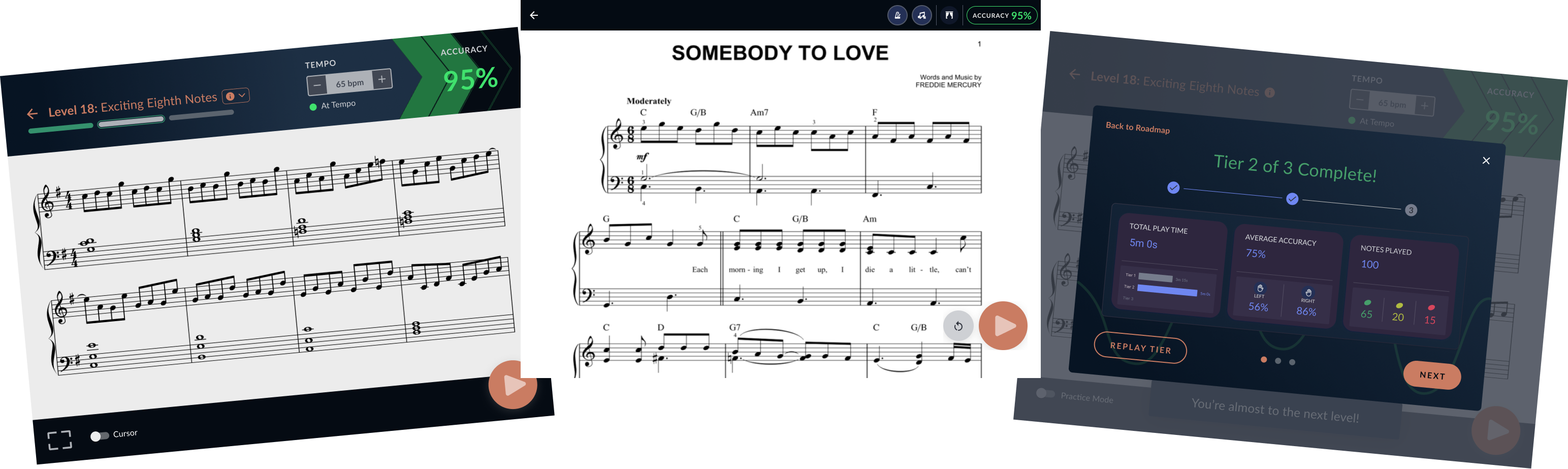
Piano Marvel follows a traditional, exercise-driven model rooted in repetition and structured drills. This approach works well for learners who enjoy methodical progression and clearly segmented practice tasks. MuseFlow, by contrast, is designed around continuous interaction, emphasizing real-time response, adaptive pacing, and sight reading development from the beginning.
Music education research has long shown that effective learning combines visual, auditory, and motor processes. Notes are not learned as isolated symbols, but as patterns that connect movement, sound, and spatial recognition. Modern learning platforms increasingly reflect this understanding by integrating feedback directly into the act of playing, rather than separating practice from evaluation.
One of the most significant differences between MuseFlow and exercise-focused platforms lies in how feedback is delivered. Traditional systems often require learners to complete an exercise before reviewing accuracy. While this can be effective, it places a cognitive burden on beginners who must play, remember mistakes, and self-evaluate simultaneously.
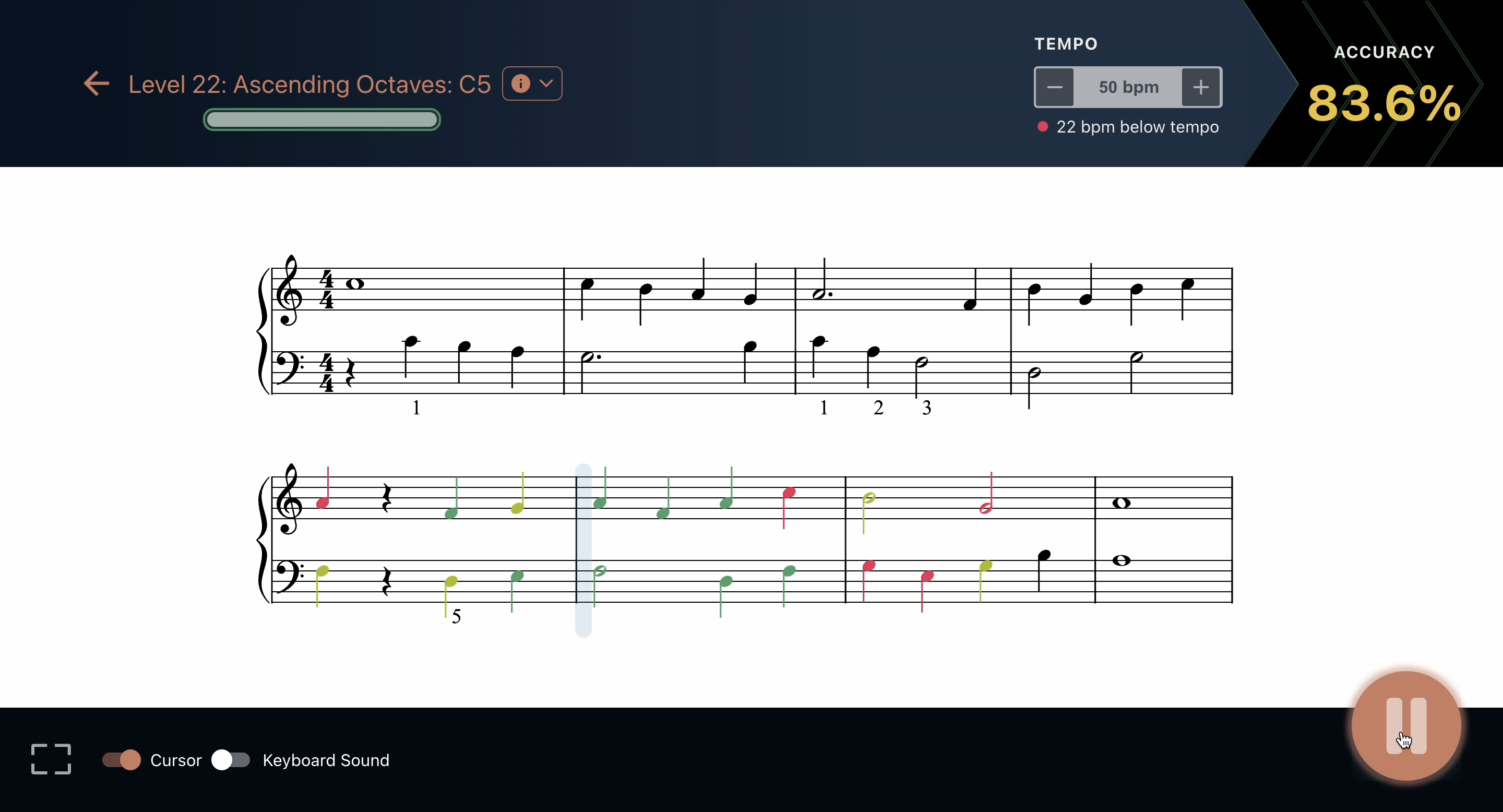
MuseFlow provides immediate visual feedback as notes are played, highlighting timing and pitch accuracy in real time. This approach aligns with findings from adult learning and motor-skill research, which suggest that timely correction helps prevent the reinforcement of incorrect habits and supports more efficient skill acquisition.
By reducing the delay between action and feedback, learners can focus entirely on playing with attention and consistency, rather than constantly questioning whether they are practicing correctly.
Sight reading is often treated as an advanced or secondary skill in many piano programs. MuseFlow takes a different position, treating sight reading as the foundation of musical independence. Educational studies in music pedagogy consistently associate strong sight reading ability with broader musical competence, faster repertoire learning, and greater long-term retention.
Instead of memorizing individual songs, learners are exposed to continuously varied material that encourages pattern recognition and fluent reading. This helps prevent over-reliance on muscle memory and supports transferable skills that apply across styles and difficulty levels.
For beginners, this approach can shorten the gap between early practice and meaningful musical progress, while intermediate learners often benefit from breaking plateaus caused by memorization-heavy routines.
Some learning platforms rely heavily on points, scores, and rewards to maintain engagement. While these elements can be motivating in moderation, adult learners often respond better to visible progress and clear structure rather than novelty alone.
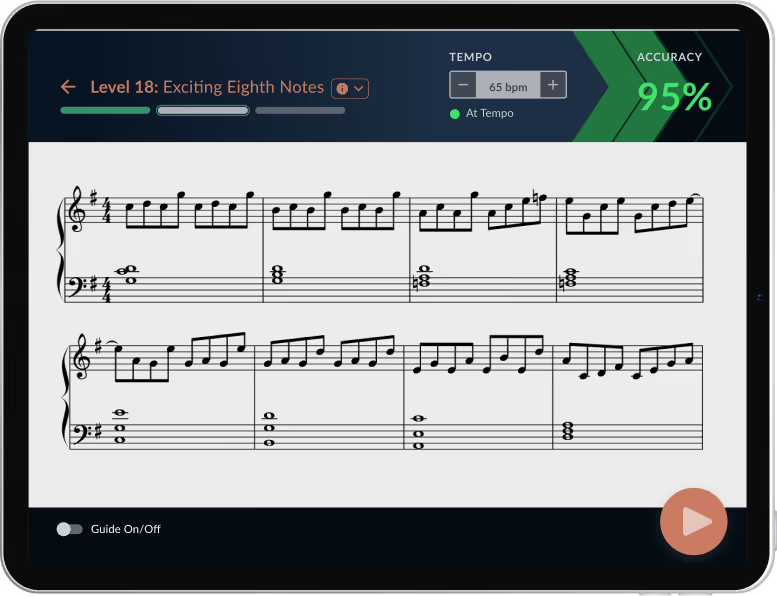
MuseFlow incorporates light gamified elements—such as progression markers and adaptive challenges—without turning practice into a distraction. This balance supports sustained focus while still providing enough feedback to reinforce consistency.
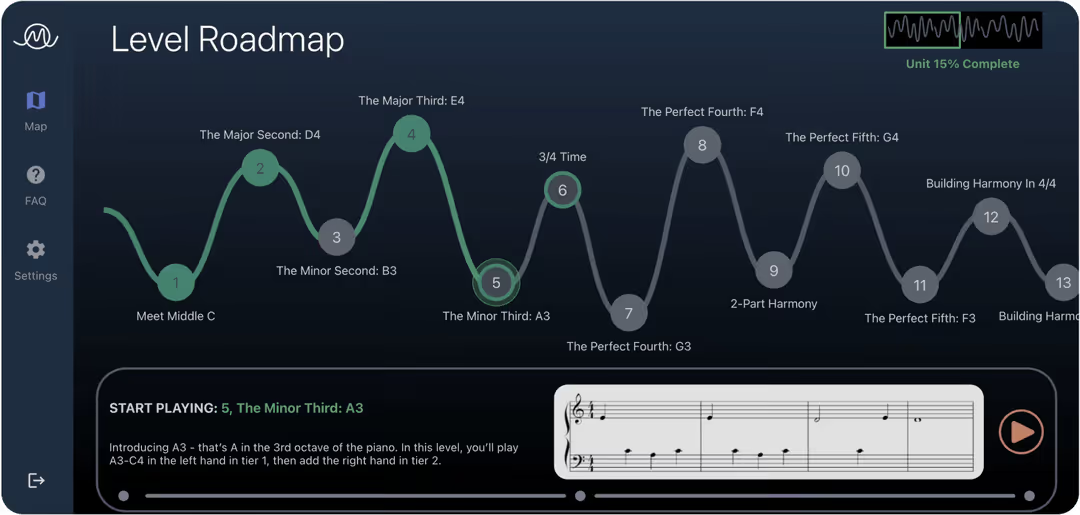
Psychological research on flow states suggests that learners remain most engaged when task difficulty closely matches skill level. By adjusting challenges dynamically, platforms can help learners stay motivated without frustration or boredom becoming barriers to regular practice.
.png)
Learners who prefer traditional, exercise-heavy practice and clearly segmented drills may find Piano Marvel well suited to their goals. Those seeking a more adaptive, feedback-driven experience often look for alternatives that emphasize efficiency, engagement, and skill transfer.
MuseFlow is designed for learners who want practice sessions to feel purposeful and time-effective, particularly adults balancing learning with other responsibilities. Rather than maximizing content volume, the focus is on making each interaction meaningful and aligned with how musical skills develop over time.
Digital piano education continues to evolve alongside advances in learning science and interactive technology. Platforms increasingly reflect a shift away from rigid, one-size-fits-all instruction toward personalized systems that respond to how individuals actually play.
As a Piano Marvel alternative, MuseFlow represents this broader movement toward adaptive learning, integrated feedback, and sight reading-centered instruction. For learners evaluating their options, understanding these pedagogical differences is often more valuable than comparing feature lists alone.
Choosing the right platform ultimately depends on learning style, goals, and preferred practice structure—but informed decisions are best made when the focus remains on educational value rather than marketing claims.
.avif)
We may think of video game soundtracks as an overlooked art form, but some of the best compositions of the last thirty years have come from this medium. In the early days of video games, small sound chips limited music to electronic 8-bit sounds. But now full orchestras can be utilized to immerse players in the world of a game.
In our previous post, we talked about the ways that music contributes to a game’s tone, orientation, and in-game feedback. Now we’re exploring some of the best piano songs from video games and how they elevate their source materials. It’s no coincidence that some of the best games ever made also tend to have some of the best music!
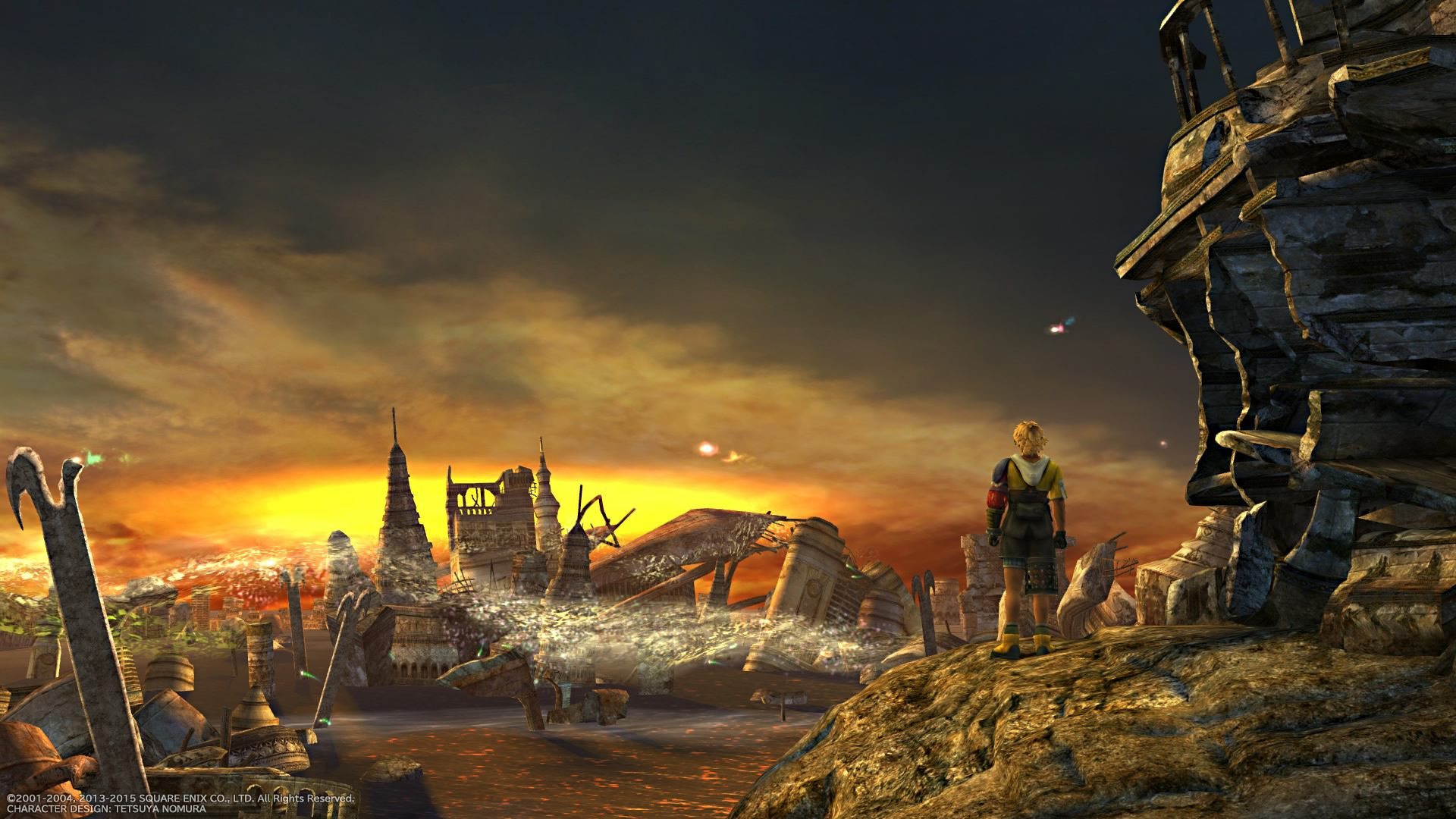
The only thing more endless than the amount of Final Fantasy games is the amount of great Final Fantasy music. “To Zanarkland” is composed by prolific Final Fantasy composer Nobuo Uematsu. This is the main theme of Final Fantasy X, although it wasn’t actually written for the game. But when director Motomu Toriyama tried the song in the game’s opening, he was convinced that it had to be the main theme. The soft melody sets a contemplative tone, used when Tidus looks out solemnly over the ruins and at several other important parts of the game.
Fun fact: “To Zanarkland” was one of the first real songs that our COO Patrick Boylan learned on the piano!

Effective game music can instantly transport you into the world of your game, and that’s especially important in period games like Castlevania. “Dance of Pales,” a mistranslation of “Dance of Pearls,” was composed by Michiru Yamane as the background theme for Orlox’s Quarters. Count Orlox is a play on Count Orlok from Nosferatu, so this vampire’s lair needed fitting music. What we get is a complex melody that evokes other vampire media and matches the eerie sophistication of a 19th century vampire. With one song we get such a clear sense of our location, time period, and the vampire boss we’re about to fight.

Composer Christopher Larkin went all-out when he composed the soundtrack to Hollow Knight. The Metroidvania game (a style named after games Metroid and Castlevania that pioneered the genre) is set in a fallen kingdom ravished by a supernatural disease. “Dirtmouth” plays in a once-bustling town that has since been mostly abandoned. The somber song highlights the loss that this town has faced and encourages us to continue exploring to learn more about what happened.
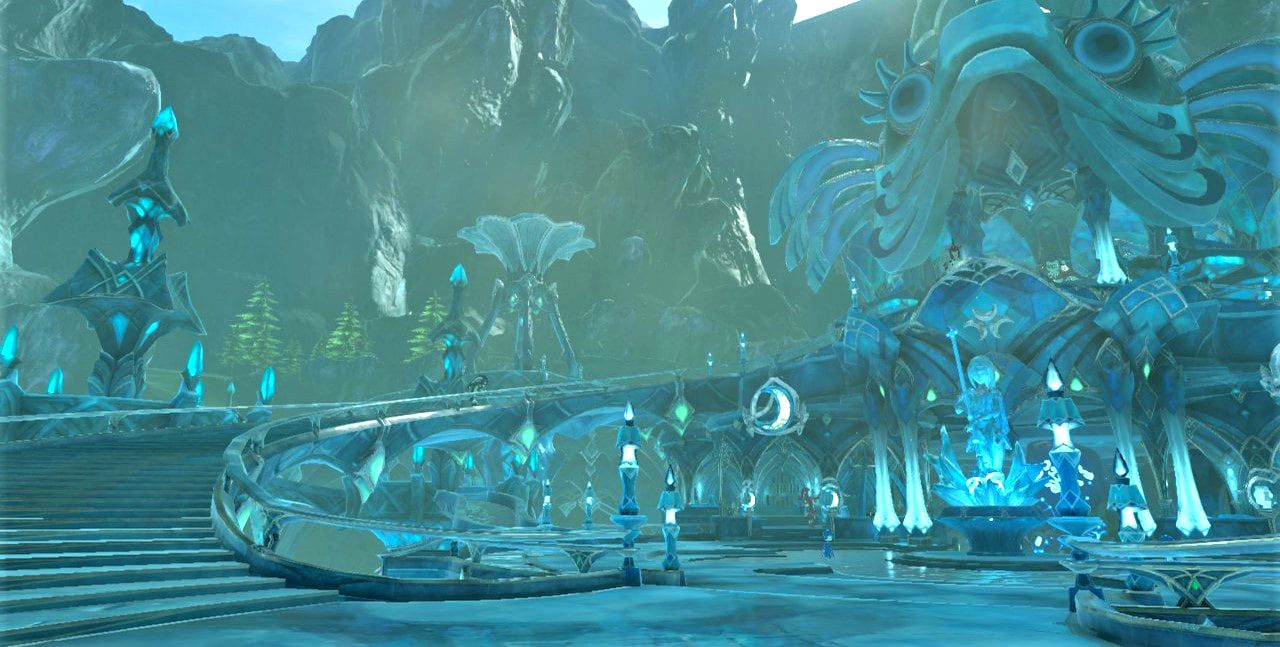
I could talk forever about the music of Breath of the Wild. The soundtrack, composed by maats, Manaka Kataoka, and Yasuaki Iwata, is one of the more piano-centric soundtracks in the Zelda universe. From he upbeat “Horse Riding (Day)” to the serene “Rito Village: Day,” the game gives us no shortage of stunning piano compositions, often with music inspired or retooled from previous Zelda games. My favorite of these is “Zora’s Domain,” which plays in the Zora water kingdom. The Zora are arguably the most majestic clan of the game, and the regal piano melody perfectly matches that. The music flows with the cascading waterfalls of the Zora domain, transporting you to the wondrous aquatic land.
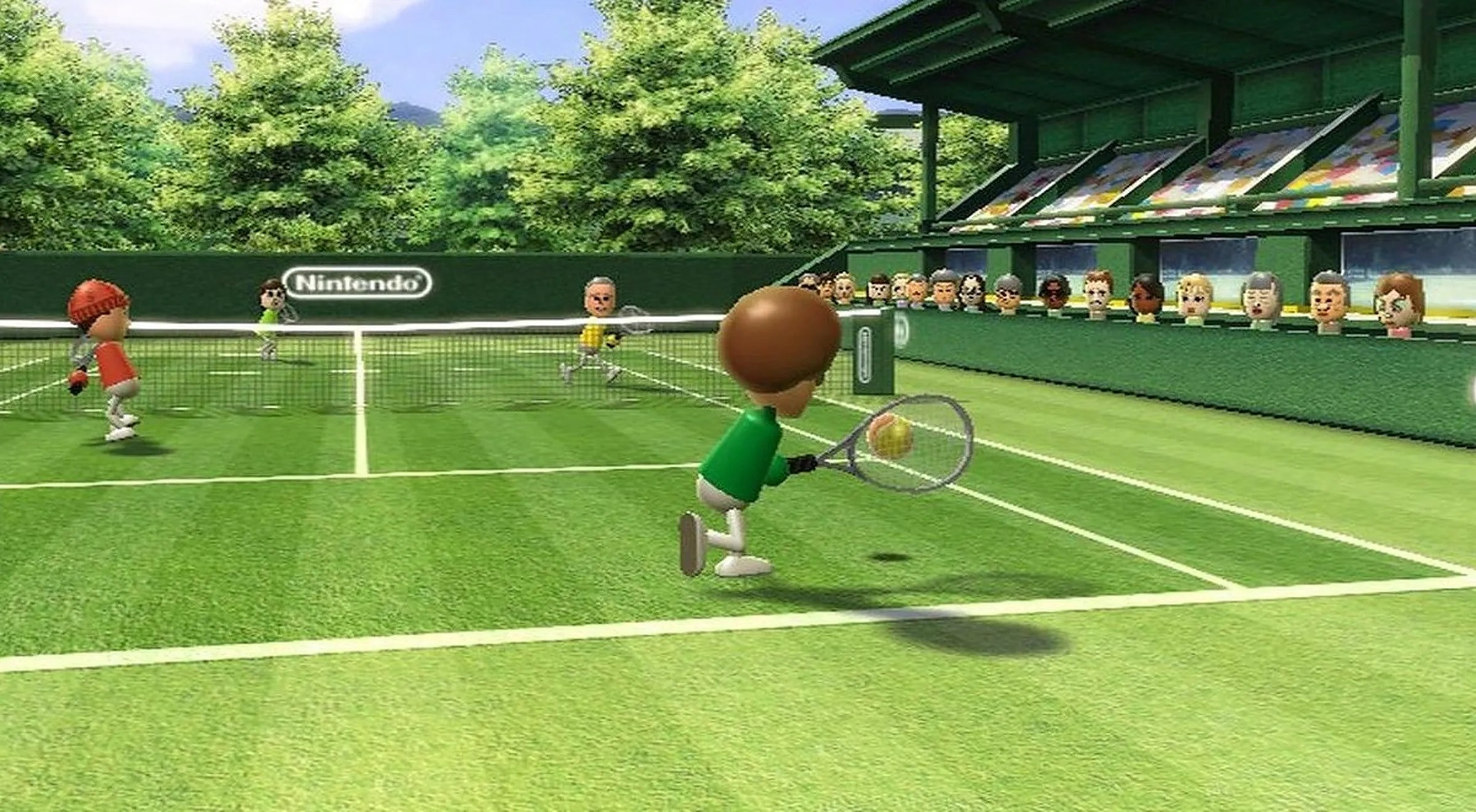
It would probably be upsetting to find out how many hours of my life I spent playing Wii Sports. But the upside is that I spent a lot of time listening to the iconic theme song. Its power is in its simplicity, offering a cheery, peppy introduction to the game. The song matches the game’s bright tone and complements other Wii songs like the “Mii Channel Theme,” which is also simple and upbeat. All of this creates a feeling of bright, active gaming that I’ll always associate with my childhood…strapping in my controller harness and booting up one of the best games of all time.

This is far from an exhaustive list of great piano songs in video games. There are plenty of other songs that were composed on piano but primarily played on a different instrument, as well as tons of wonderful piano covers for non-piano songs. But the long list of piano songs in video games shows just how integral this instrument is for one of the most popular mediums in the world.
And if you love both video games and playing the piano, you’ll love MuseFlow’s gamified piano learning program. We make learning the piano fun and achievable by offering:
Some of the best video game songs combine flawlessly with the gameplay to leave an emotional mark on the player. Does that ever happen to me? I’ll get back to you as soon as I stop crying from Mark Sparling’s "Hello?" in A Short Hike.
You can’t think about certain video games without also thinking about their iconic music. But the songs you hear while you’re “crushing turts” do more than just entertain your ears. They’re a crucial part of the storytelling, and not a single level you’ve ever played would be the same without it.
We here at MuseFlow love to explore the ways that music intersects with our daily life. We’ve looked at The Best TV Pianists and The Best Movies About Playing Piano, and now we’re diving into music’s role in video game narratives.
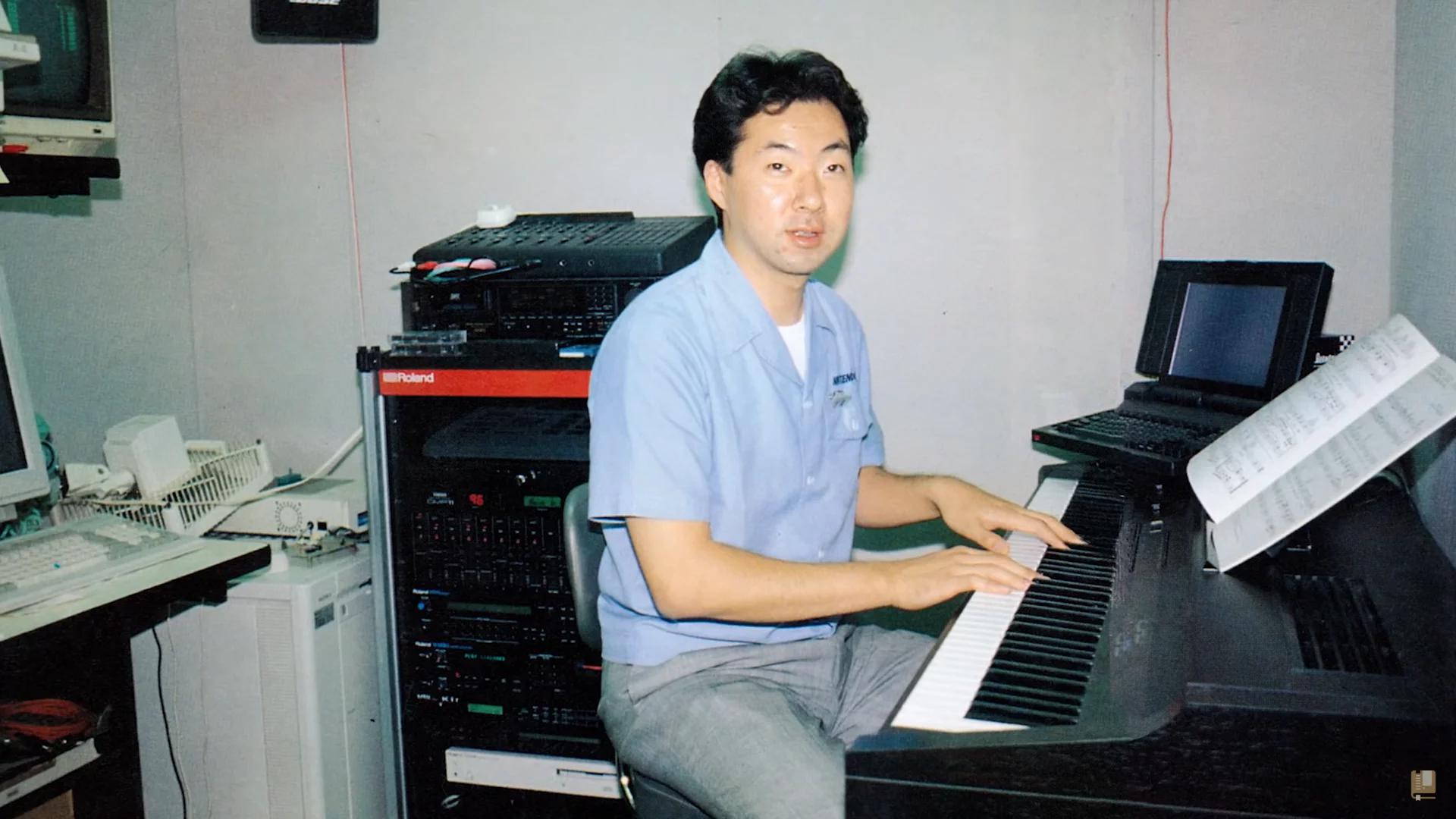
Koji Kondo, the legendary composer behind Super Mario Bros. and The Legend of Zelda, said in an interview, “Music is very powerful when it comes to creating an atmosphere for games, and fueling the rise and fall of emotions. It is a vital element for creating an enjoyable game.”
A good theme immediately tells us so much about the tone, style, and intensity of the game we’re about to play. Kondo’s main theme from The Legend of Zelda feels regal and uplifting, preparing us for a grand fantasy adventure. His Super Mario Bros. theme was inspired by dance music to match the movements of the game. The theme from Stardew Valley opens with a soft flute that puts us in the cozy game mindset.
Sometimes a theme that goes against genre expectations can reveal interesting truths about its game. The Last of Us’ downtrodden, twangy theme creates a feeling of forlorn Americana that matches the game’s experience of an apocalyptic road trip and tells you that this won’t be your typical zombie game. And when you sit down to play space exploration game Outer Wilds, you’re met with a surprisingly folksy theme that utilizes the banjo, guitar, and harmonica, evoking the game’s feeling of a “backpacking adventure through space” and the thoughtful introspection that it inspires.
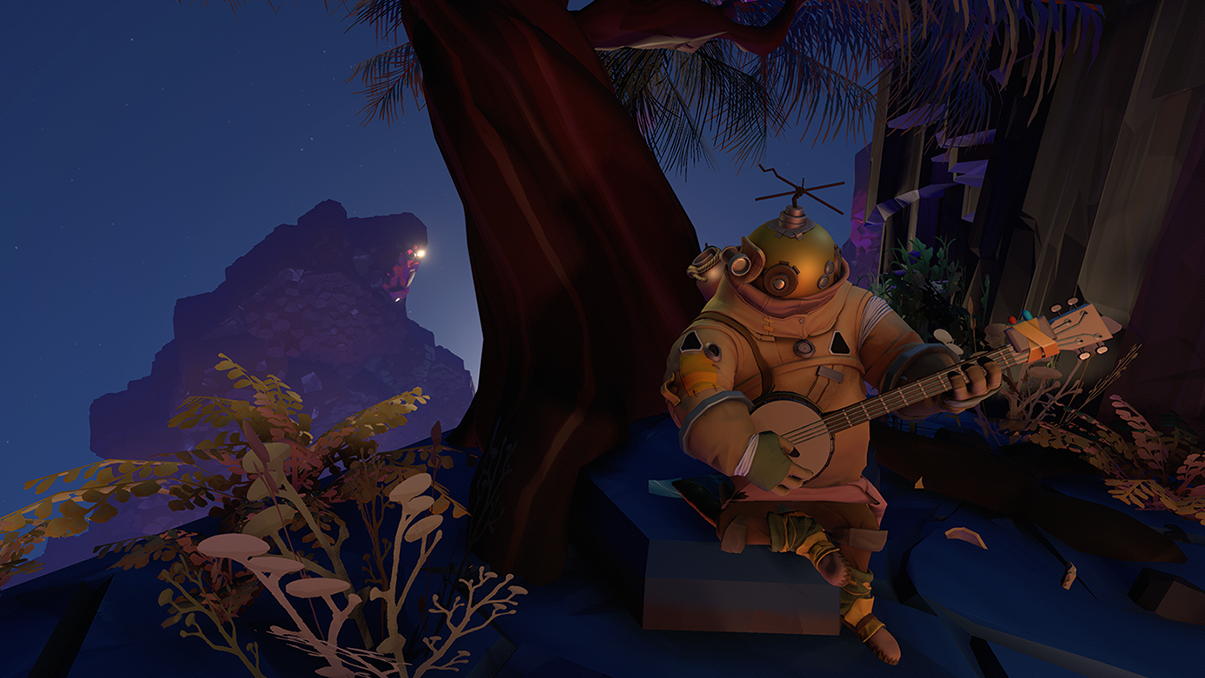
Music is also a huge part of immersing you in a game’s setting. Koji Kondo used music to contrast between levels, helping the player to always know where they are throughout a game. Think about Hyrule’s bright overworld music compared to its dark, ominous dungeon theme. The music is an auditory marker of the setting, complementing and adding upon the visual information the player is receiving.
In more modern open world games without the traditional levels of early platformers, music can still inform you of a change in location. In Breath of the Wild, each region has its own distinct music that immediately informs you about the new setting and the characters you’re going to encounter. Consider the use of the tuba for the big, slow-moving Gorans of Goran City vs. the soft, magical harp and piano sounds of the Great Fairy.
Outer Wilds composer Andrew Prahlow used a “homey sound for Timber Hearth…a unique piano sound for the Nomai, and synths for the Quantum areas of the game.” When you take off into space, you can even hear the banjo sounds of your home planet music slowly get replaced by soft exploratory electronic/piano music. It feels like the music is on the exact same journey you are!

Video game composers use psychological principles to create emotional feedback loops with their music. Think about every time Link opens a treasure chest. There’s an emotional build up that creates suspense, followed by a celebratory release when he pulls out the new item.
As this article explains, music can be used along with other audio feedback to create a system of “rewards and consequences” to tell players “how their actions are interpreted—and how they should feel about them.” Victorious music that plays when you discover or achieve something can provide a dopamine trigger and positive feedback loop, while the displeasing music when you lose something or die can have the opposite effect.
Music can match the intensity of a moment, helping to create a cognitive mapping of the world and its different threat levels. Open world games often switch to faster-paced music during a fight, and ominous music can be used to signal an imminent danger. There’s no sound more triggering to a millennial than the heart-pounding, cortisol-spiking drowning music in Sonic The Hedgehog.
While some music can make you feel a certain way about a particular setting or the game as a whole, reactionary music tells you how to feel about the actions you take and the actions befalling your character.
Music is a crucial part of creating a game’s setting, tone, and emotion…core components of its storytelling. Composers are storytellers just as much as the writers and programmers. Try playing a game without sound…it’s just not the same.
At MuseFlow, we understand the importance of blending music and games. That’s why we created a gamified piano learning program that offers:
When discussing his compositions, Koji Kondo said, “I think that music also plays an important role in terms of having the game stay in your memory for a long time.”
I think that’s 100% right. How else could you explain why I haven’t been able to get this song from Sonic Adventure 2 out of my head since 2001?
The most exciting thing about learning to play the piano is the freedom to play songs already familiar to you. One of the most motivating parts of learning to play piano was learning my favorite song for a talent show. And did you know that there’s evidence that this can actually help you learn more effectively? When you’re having fun and playing songs you know and love, you’re more likely to stick to the habit!
Below are some of the best songs to help you get started. We chose songs from different decades that made an incredible impact on the world that you start learning to play today!
Hallelujah was released by Leonard Cohen in 1984 on his album Various Positions. Since then, several versions of the folk rock classic have been released, including a version by John Cale that you might have heard featured in the 2001 Dreamworks film Shrek.
The incredibly poetic lyrics are set to a haunting progression of C, F, G, A minor, and back to F - even being referenced in the famous first verse: “it goes like this, the fourth (F), the fifth (G), the minor fall (A minor), and the major lift (F).”
Since then, the song has continued to be immortalized through covers throughout the decades. Jeff Buckley released a cover in 1994 that eclipsed the popularity of the original, even earning a spot in the Library of Congress in 2013. The song continues to live on with people offering new interpretations, including Kate McKinnon famously covering it during an SNL cold open in 2020.
Paul Simon and Art Garfunkel were one of the best selling musical acts of the 1960s. They were known for their truly eclectic musical influences, which incorporated their haunting harmonies on to folk, Latin, and gospel influences. Their pair added their own twist to the traditional English ballad Scarborough Fair by incorporating the melody of an anti-war song written by Paul Simon, resulting in the phenomenon known as counterpoint - which is you combine two independently satisfying melodies. This resulted in what is arguably the most popular rendition of Scarborough Fair.
Their cover of Scarborough Fair appeared on their third studio album, Parsley, Sage, Rosemary, and Thyme. The album is named after the refrain in Scarborough Fair, where the singer bemoans the impossible tasks they require one to accomplish for their love.
Scarborough Fair is also an excellent example of Dorian mode - which is a type of musical scale that gives the English standard its dreamy, gut stirring feeling. Other songs written in Dorian mode include Blue Jeans by Lana Del Rey, and Billie Jean by Michael Jackson.
Now we enter the 70s - don’t worry, I have some extra bellbottoms you can borrow! Billy Joel released Piano Man in 1974, about his time moonlighting as a piano lounge singer when he needed to pay the bills. At the time, he was in a legal battle with his record company and went by his middle name, Bill Martin.
The lyrics detail different regulars that come into the bar where the singer, the Piano Man, is playing. The 1974 version is in the key of C Major, and begins with a jazzy riff before falling into a ¾ time signature.
The song was moderately successful initially. It peaked at number 24 in the Billboard Top 40, making it Billy Joel’s first ever Top 40 hit. However, it’s since become one of his most recognizable and most loved songs. In 2015, it was selected as one of 25 songs to be preserved by the Library of Congress.
Christina Perri wrote and recorded A Thousand Years for the penultimate film in the Twilight film franchise, The Twilight Saga: Breaking Dawn - Part 1. While the song had a slow climb up the charts initially, it has persisted and gained a life of its own. As of May 2026, it has almost 29 million uses on TikTok and 3.8 billion views on Youtube.
Written in the key of B-flat, Perri sings about the at-times tragic love story of Edward and Bella from the Twilight franchise.
The piano has been a mainstay on the chart throughout history. All of these songs are available for you to learn now on MuseFlow, tailored to your pace and current skill level. Our lessons:

As you switch through the TV channels, you’re bound to find characters who play the piano. We’ve watched a wide range of pianists grace our screens, from serious doctors to puppet dogs. Some have even been portrayed by skilled musicians!
In our previous post we explored movies about playing the piano. Now, we at MuseFlow dive in to some of the biggest pianists in TV history and what they can teach us about playing this iconic instrument.
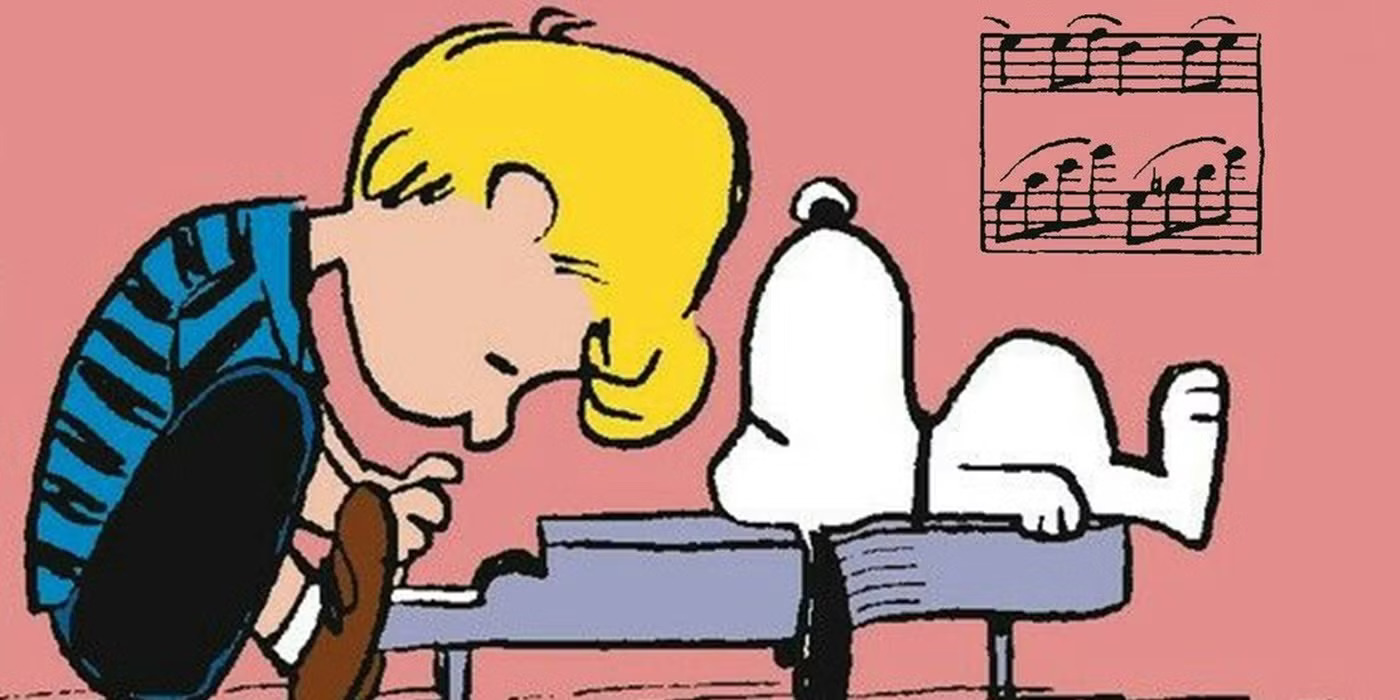
It’s hard to think about TV pianists and not think about Schroeder. The Peanuts’ resident pianist was first introduced in Charles M. Schulz’s comics in 1951 and made his first TV appearance in 1965. Schroeder is a musical prodigy who has been playing the piano since before he could walk. He idolizes Ludwig van Beethoven and is constantly practicing on his small toy piano.
It’s rare to see a child character with such a deep love for classical music. Schroeder teaches us that musical passion, focus, and Flow State can come at any age. All we need is something or someone to inspire us…whether that’s a legendary composer or a dancing beagle.
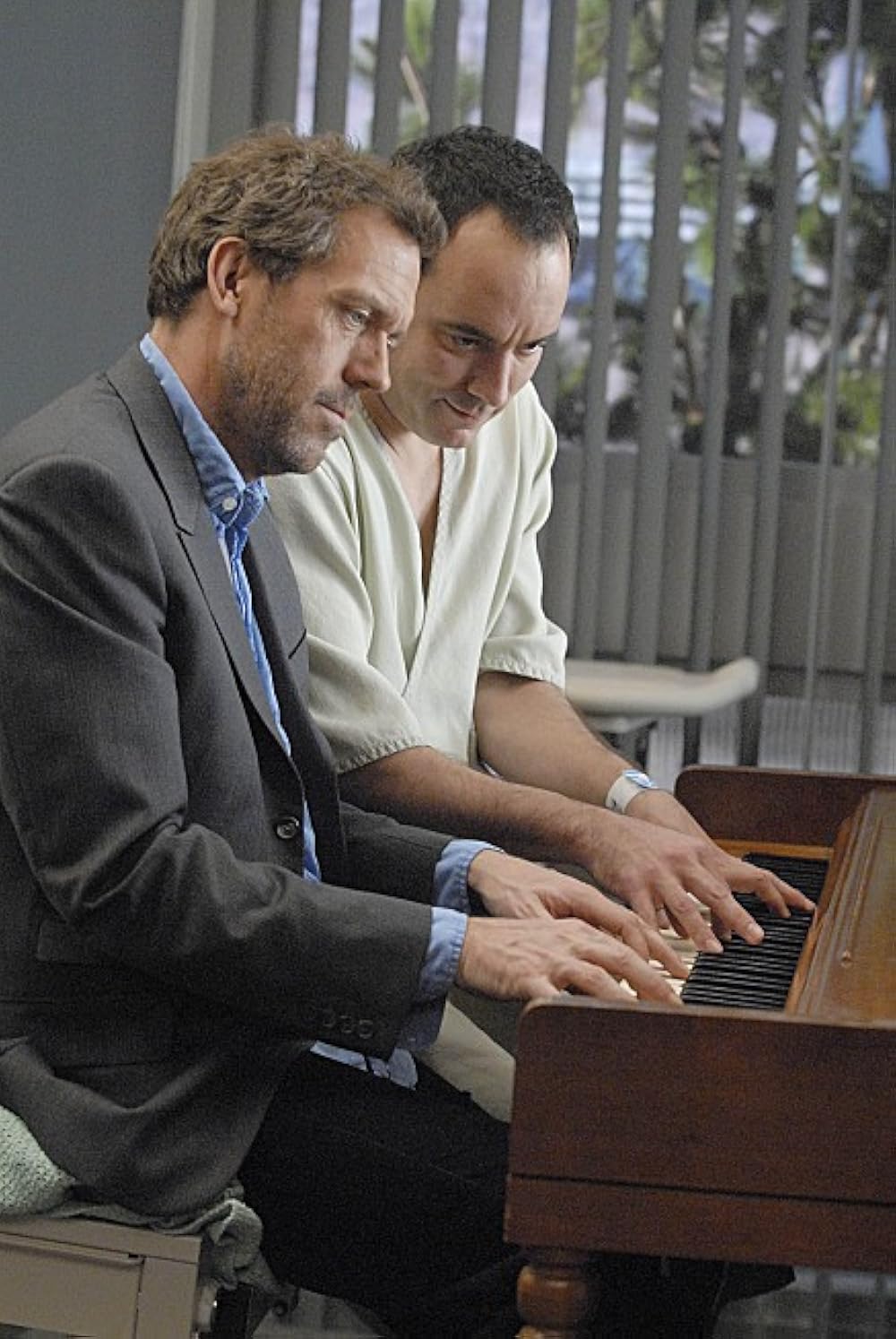
When some actors play the piano, they just pretend to play and the music is added in post. But not when Hugh Laurie’s on the keys. The actor behind House is a talented pianist (and also singer, guitarist, drummer, saxophonist, and harmonica player). His character Dr. House even has a scene playing the piano with a patient…who happens to be Dave Matthews!
In media, playing the piano is often used as visual shorthand for intelligence. If a character plays the piano, it usually means they’re smart. And it makes sense…studies have shown that playing the piano is tied to cognitive function. With Dr. House, we see a character whose genius spreads across multiple disciplines, from medical to musical. Learning to play the piano may not make us as smart as Dr. House, but hey…even he had to start somewhere!
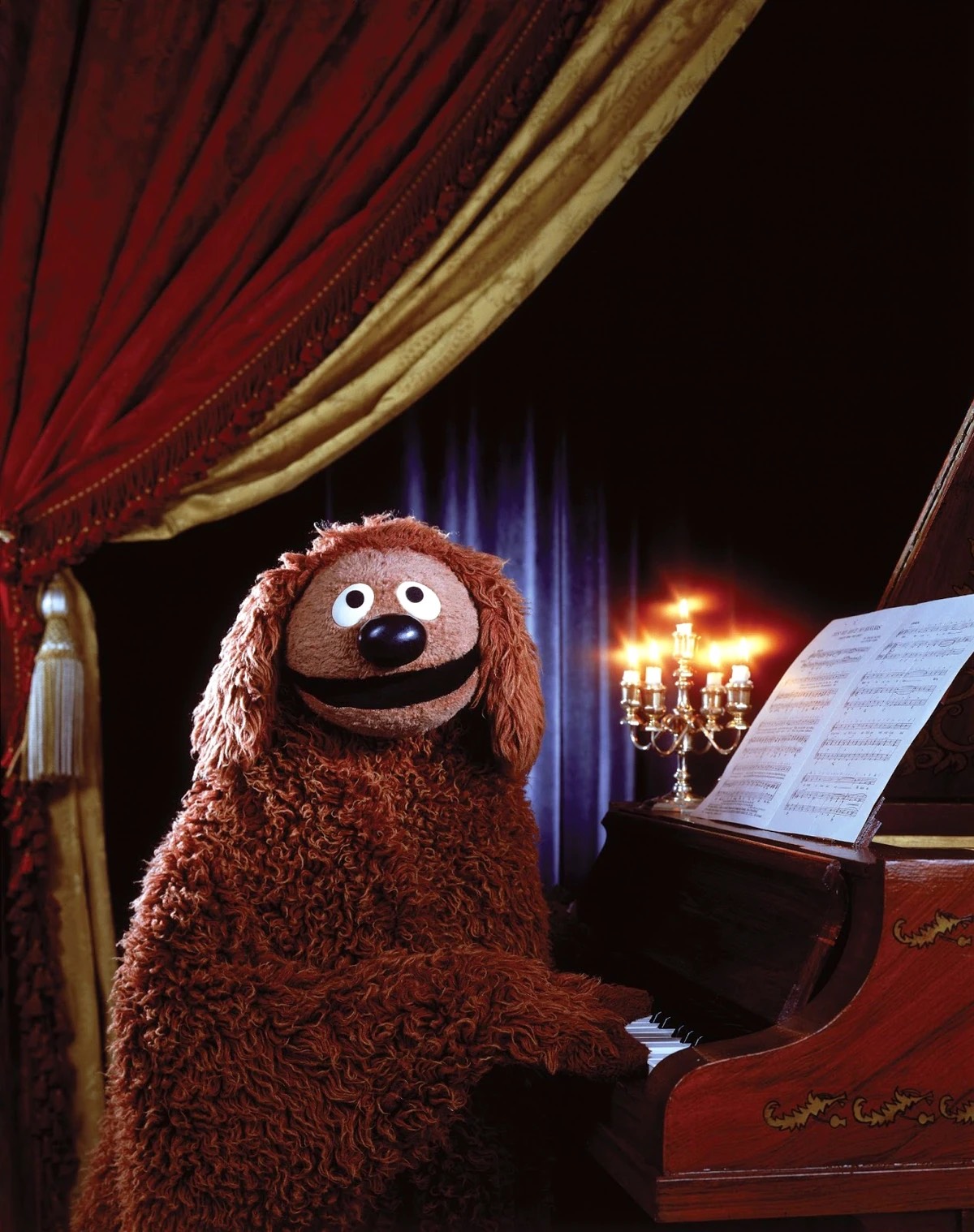
How could we leave out TV’s most famous piano playing dog? Rowlf was created and played by Jim Henson and was the resident pianist on The Muppet Show, performing melodic piano numbers coupled with his gruff voice and comedic lyrics. Rowlf was also the first Muppet to achieve widespread popularity as a recurring character on The Jimmy Dean Show.
Rowlf is said to be the closest to Jim Henson’s real-life persona. The wisecracking dog shows us the value of introducing play to our musical learning. If you approach your music the same way Rowlf approaches this song about his friend George, you’ll never take anything too seriously

We had to include a character from a musical show, and what better than the campy jukebox musical Glee? Darren Criss consistently impresses as singer and pianist Blaine Anderson. It doesn’t hurt that Darren Criss is also a very talented pianist in real life. He studied musical theater at the University of Michigan and even has his own piano bar in Los Angeles called Tramp Stamp Granny’s…where our very own COO Patrick Boylan performs!
Blaine Anderson is sensitive and romantic, bringing those strong emotions with him into his musicality. Just look at how Blaine holds back tears while singing Katy Perry's Teenage Dream. If there’s one thing we can learn from Blaine, it’s that infusing emotion into our music can be rewarding and cathartic.
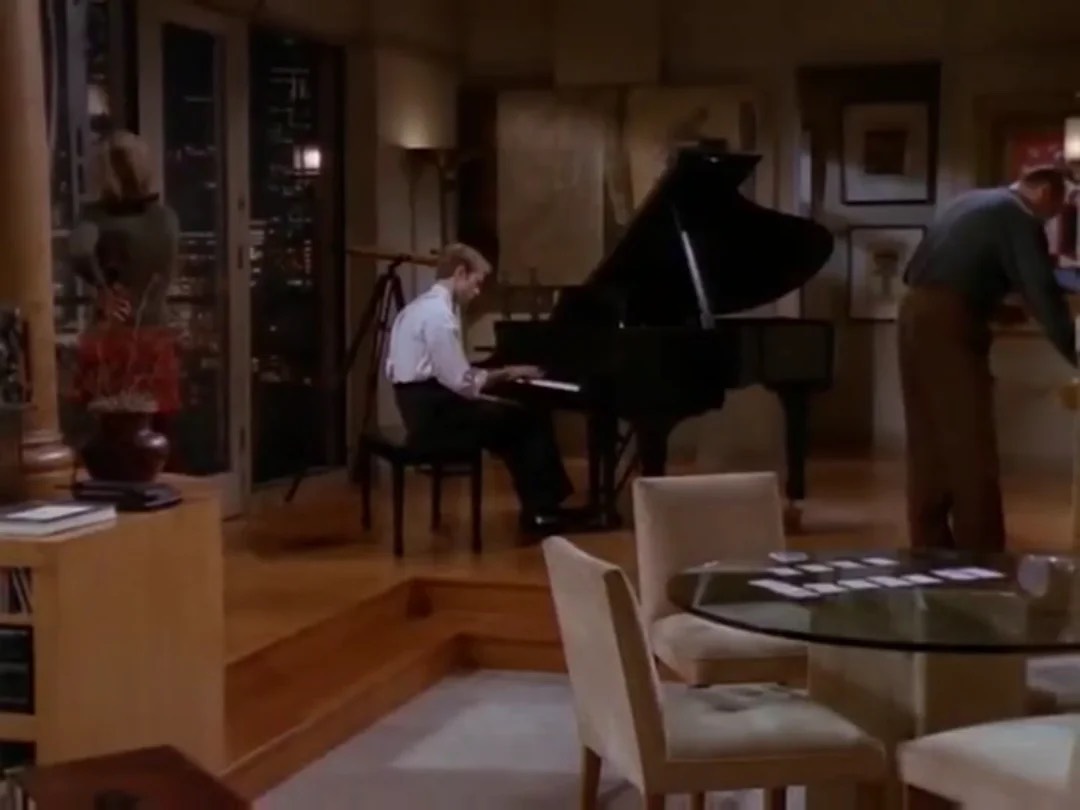
Remember what I said about pianos making characters look smart? Well, they can also make them look classy and refined, as they do with Frasier and Niles Crane in Frasier. In fact, Frasier’s apartment — one of the main locations for the show — has a prominently featured grand piano that both characters play throughout the series.
Both Kelsey Grammer and David Hyde Pierce actually play the piano, with Pierce having studied piano performance at Yale (which feels very Niles of him). Frasier and Niles show how the piano can give you an air of sophistication — even if you also enjoy more modern music when nobody’s watching!
The piano has enjoyed countless forms of TV representation over the years. Its association with intelligence and refinement can give you a clear sense of who a character is just by seeing them play. My favorite thing to see is when an actor brings their love of piano into their roles, like Frasier’s David Hyde Pearce or The Office’s Craig Robinson. That passion for the piano can be inspiring to the next generation.
At MuseFlow, we love to be a part of that inspiration. That’s why MuseFlow offers:
No matter your personal skill level or musical journey, there’s a TV character you can look up to and be inspired by. And with enough practice, one day you could be that inspiration for somebody else.
The piano is one of the most popular instruments in the world, so it’s no surprise that there are so many movies about it. The world of cinema has captured a wide range of piano stories, from upbeat musicals and comedies to heartbreaking dramas and even tense thrillers.
We here at MuseFlow want to see what we can we learn from these movies about our own musical journeys. So let’s dive in and see what Hollywood has to say about playing the piano!

This critically acclaimed period drama tells the story of an imagined rivalry between the uptight, popular, and mediocre composer Antonio Salieri (F. Murray Abraham) and brash, irreverent, and brilliant virtuoso Wolfgang Amadeus Mozart (Tom Hulce).
The movie not only scooped up 8 Oscars, but also brilliantly captured the jealousy that can occur when you work really hard at your craft and then see someone who seems to be so much more successful and making it look so easy! We’ve all been there. But learning to shift our focus towards our own work is much healthier than doing what Salieri did (going down a lifelong spiral of sabotage and revenge)!

It’s hard to think about piano movies and not hear the catchy opening melody of “Another Day of Sun.” The musical tells the story of aspiring actress Mia (Emma Stone) and struggling pianist Seb (Ryan Gosling) as they encounter the conflicts of pursuing love and career in the “City of Stars.” La La Land is a bright, wondrous love letter to jazz and Hollywood that romanticizes show business while also reminding us of its ability to break hearts.
Like Seb, many piano players know what its like to feel stuck. We know how it feels to have to play songs we don’t like, whether that be through lessons or gigs. But at its core, La La Land is a movie about believing in yourself. There’ll be setbacks and self-doubt. But if you have a heart full of passion, maybe “that’ll be the thing to push you on and over.”

Ray tells the story of musician Ray Charles, detailing his life from his impoverished beginnings, struggles with blindness and heroin, and his career blending jazz, rhythm and blues, and gospel to create a brand new genre: soul.
Most people remember Ray for Jamie Foxx’s brilliant and charismatic portrayal of Ray Charles, which earned him the Oscar for Best Actor. But the most relatable thing about music biopics is the way they humanize these larger than life musicians. As we watch stars’ often humble beginnings and personal struggles, we see that these are human beings with flaws and insecurities.
It can be great to have musicians to look up to. But remembering that they’re all just human beings like you and me can help remind us that we’re all capable of greatness too!

Peanut butter and jelly. Cheese and crackers. Pixar movies and balling your eyes out. These things just go together…and Soul is no different. It tells the incredibly moving story of middle school teacher Joe Gardner (Jamie Foxx again), who falls down a manhole right before his big break, sending his soul into the Great Beyond. There he meets 22 (Tina Fey), a stubborn soul who is resistant to living life on Earth.
It’s easy to hang our self-worth on our creative/career success, but Soul director Pete Docter says to NPR, “we’re already enough…We all can walk out of the door and enjoy life without needing to accomplish or prove anything. And that’s really freeing.” You can reframe your musical passions as the things you do because you love them, not because you need to hit some arbitrary metric of success in order to have a “successful” life!

There are many more piano movies that we can’t even get to in this post. But when looking at all of these movies, a common message shines through. The best movies about piano aren’t about how to play the piano…they’re about why we play it.
Learning the piano can be wonderful, frustrating, stressful, and creatively fulfilling…sometimes all at the same time. But at the end of the day, your music journey is your own. Find your passion, be true to yourself, and stay grounded.
At MuseFlow, we know that learning the piano should be fun and meet you where you’re at. Our lessons:
So go watch one of these great piano movies, get inspired, and then come back and learn with us!
Neuroplasticity is defined simply as the brain's ability to rewire itself to new experiences. This can happen in response to injury, for example, but the brain also gets all neuroplastic when learning new things. Below, we're going to dive deeper into how the mechanism of neuroplasticity actually works, and how we can leverage it.
First, this is how your brain is supposed to work. There are a lot of ideas floating around out there about how skill and intelligence are fixed, or that there is a certain point of development where plasticity stops. Not only is that not true, but your brain is actually designed specifically to acknowledge, absorb, and adapt to new information all throughout your life.
We have certain neurons in our brain that release a neurotransmitter called acetylcholine. Acetylcholine is essential for learning and memory, as well as a number of other vital bodily functions. We release it under conditions of focused attention to stimulus. It’s the neurotransmitter that, for example, regulates heart rate. Over time, plasticity is built as acetylcholine creates new pathways as we learn new things, and our brain learns to prioritize those pathways and deprioritize the pathways that don't contribute.
Your first step to successful skill retention is going to be choosing a skill that is challenging and novel. For example, the piano. Whether you are fresh to the bench or refreshing your arpeggios, decide on something that is new-to-you, challenging, and has some personal relevance to you. Neuroplastic change is associated with a sense of feeling rewarded.
Next, attention is critical. Uninterrupted focus on your new habit for an amount of time, let's say 20 minutes a day, allows your brain the ability to form the pathways we want it to. We're going to call this step, Attention. This step will not work if you're multitasking - you have to completely focus, undividedly, on the task.
Once these new pathways have been formed, it's important to remember that the brain is constantly evolving. This means that it’s important to keep strengthening and refining these pathways that we’ve worked so hard to build!
In order to solidify our changes from chemical to structural, we need to do the next step, which we're going to call, Repetition. We're going to define repetition as continuing this intense focused attention for a prolonged period of time. The study I'm referencing showed a progressive plasticity when continued over a period of several weeks.

If you’re like me at all, then choosing a new habit and staring down a period of several weeks usually looks like giving up in a few days and a barrage of self-admonishment. Instead, in the interest of plasticity, we’re going to add in our next step: Adjustment.
As an example, let’s follow our friend Penelope Piano, who has decided to set a resolution to learn a song on the piano for her friend’s birthday. She sits down on the first day for an hour, the second day for 45 minutes, and misses the third day altogether. A week later, she acknowledges that she hasn’t kept up with her practice. She gets frustrated with herself and swears she’ll sit down for 90 minutes the next day to make up for it.
While I certainly hope Ms. Piano meets her goal, neuroplastic changes take time. The route that she took can end up creating a pathway in her brain that associates the piano with obligation and frustration. Instead, she could have acknowledged that she hasn’t met her goal, and adjusted to a more manageable time to start, such as 15-20 minutes - or perhaps changed her practice time to a time of day where her energy levels were different.
Since these pathways and neurons are constantly being restructured and renewed, it’s important to keep the associations to your habits positive. It’s not unheard of for people to associate the piano with frustration and obligation, which does lead to many people abandoning the practice. MuseFlow employs elements of gamification specifically to combat this and aid you in solidifying these neural pathways.
Your brain is constantly shifting, adapting, growing and evolving, and you can absolutely engage this super power to your benefit! First, choose a skill or task that is challenging and meaningful. Neuroplasticity is more likely to happen with goals that are important to you. Next, focus on it, undividedly.
While I have no doubt that you are a stunning multitasker, it’s important for these pathways that we are building that this new skill has your uninterrupted attention for an amount of time. Then, keep doing that for a prolonged period of time - keep practicing! Finally, adjust. It’s normal and even expected for slip ups to happen. Neuroplasticity does take time.
Don’t get discouraged if a new skill doesn’t immediately take. Simply readjust and keep forming those pathways.

Keep up to date on our progress as we continue to add new features!